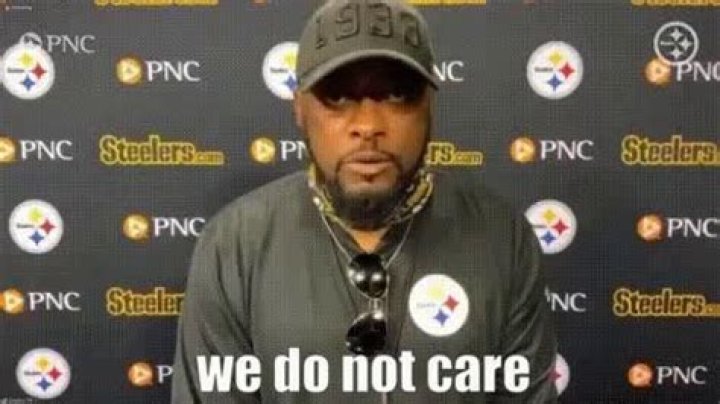
We Do Not Care Meme: Origins, Meaning, and Why It Went Viral
 Daniel Lopez
The "we do not care" meme has taken the internet by storm, capturing a sentiment that resonates deeply with millions of social media users. This expression of collective indifference has become more than just another viral trend—it represents a cultural shift in how people respond to drama, oversharing, and content overload online. From Twitter threads to TikTok videos, the phrase has evolved into a versatile tool for dismissing topics that simply don't warrant attention.
What makes this meme particularly fascinating is its raw honesty. In an era where everyone seems to have an opinion about everything, the "we do not care" meme offers a refreshing counterpoint. It's become the digital equivalent of shrugging your shoulders and walking away, giving people permission to disengage from conversations that drain their energy or serve no purpose in their lives.
The Origins of the We Do Not Care Meme
The meme's roots trace back to various expressions of indifference that have circulated online for years, but its current form gained significant traction in late 2022 and throughout 2023. While pinpointing a single source proves difficult—as with many organic internet phenomena—the phrase crystallized around reaction images and videos showing people expressing complete disinterest.
One popular iteration features images of people looking bored, unimpressed, or actively walking away while the text "we do not care" appears as a caption. The collective "we" rather than "I" adds power to the statement, suggesting a unified front of indifference rather than individual opinion. This subtle linguistic choice transformed the meme from personal dismissal into a movement.
Social media platforms, particularly Twitter (now X) and TikTok, accelerated the meme's spread. Users began applying it to celebrity drama, political controversies, and everyday situations where people felt bombarded with information they never asked for. The timing couldn't have been better—coming at a moment when "outrage fatigue" had reached peak levels across digital platforms.
What the Meme Actually Means
At its core, the we do not care meme functions as a boundary-setting device. It's not necessarily mean-spirited, though context matters. People use it to signal that certain topics, regardless of how trending or controversial they might be, simply don't deserve mental real estate.
The meme operates on multiple levels. Sometimes it's genuinely dismissive—a way to shut down attention-seeking behavior or manufactured drama. Other times it's self-aware humor, acknowledging that we're all drowning in content and need to be selective about what captures our attention. There's also an element of playful rebellion against the expectation that we should care about every viral moment or trending topic.
Unlike earlier expressions of indifference like "cool story bro" or "no one asked," the we do not care meme feels less aggressive. The plural pronoun creates distance, making it about collective sentiment rather than personal attack. That subtlety has helped it gain widespread acceptance across different online communities.
Popular Formats and Variations
The meme has spawned countless variations, each adapting the core message to different contexts and platforms. Here are some of the most common formats:
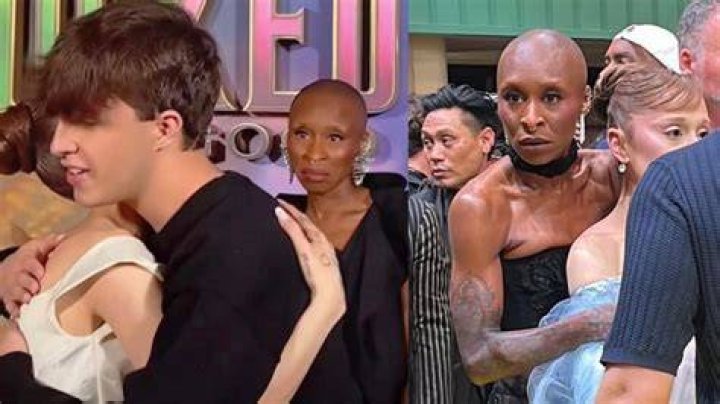
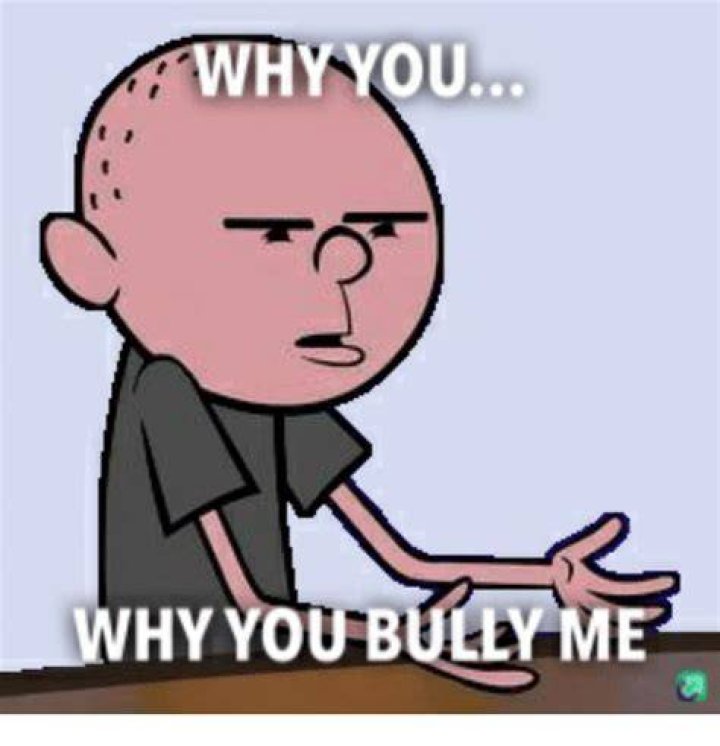
- Image macros featuring celebrities or fictional characters looking unimpressed with "we do not care" text overlay
- Video clips of people literally walking away or ignoring something, captioned with the phrase
- GIF reactions used as replies to posts, threads, or announcements deemed unworthy of attention
- Text-only posts listing things "we do not care about," often related to current events or celebrity news
- Parody versions where the phrase is applied to obviously important things for comedic effect
- Musical adaptations and remixes turning the phrase into catchy audio clips
Why This Meme Resonated So Strongly
Several factors explain the meme's viral success. First, there's genuine exhaustion with the 24/7 news cycle and constant stream of controversies. People feel pressured to have opinions on everything, and the we do not care meme offers permission to opt out. It's liberating.
Second, the meme taps into growing awareness about mental health and the importance of protecting your peace. Setting boundaries isn't rude—it's necessary. When someone shares their fifty-seventh opinion on a minor celebrity feud, responding with this meme isn't cruel. It's self-preservation.
The generational aspect matters too. Millennials and Gen Z users, who grew up with social media and witnessed its evolution, have developed sophisticated filters for online content. They've seen how manufactured outrage works and aren't interested in participating. This meme gives them a tool to express that disengagement efficiently.
There's also pure comedic value. The bluntness of "we do not care" delivered without explanation or justification is inherently funny. It subverts expectations in conversations where people assume others will engage, debate, or at minimum acknowledge what they're saying. The abrupt shutdown creates humor through surprise.
Cultural Impact and Usage
The meme has transcended internet culture and entered everyday language. People now say "we do not care" in real conversations, often with knowing smiles that reference the meme. It's become shorthand among friends for "let's not waste energy on this."
Brands and marketers have noticed too, though with mixed results. Some companies have successfully used the meme in self-aware campaigns, acknowledging consumer fatigue with advertising. Others have faced backlash for misusing it or seeming tone-deaf. The meme works best when it feels authentic, not corporate.
News outlets and journalists have also adopted the phrase when covering stories they acknowledge are trivial but report anyway due to demand. This meta-usage—caring about something while simultaneously declaring you don't care—adds another layer to the meme's complexity.
When the Meme Gets Misused
Not every application of the we do not care meme lands well. Using it to dismiss serious issues, social justice concerns, or someone's genuine struggles crosses from humor into callousness. Context is everything.
The meme works for trivial drama, manufactured controversy, or attention-seeking behavior. It doesn't work when applied to topics that actually matter—health crises, human rights issues, or personal tragedies. Misusing it this way can make someone look insensitive or cruel rather than cleverly disengaged.
There's also the problem of overuse. Like all memes, excessive repetition dulls its impact. When "we do not care" gets deployed for everything, it loses its punch and becomes just another piece of internet noise—the very thing it was meant to cut through.
Frequently Asked Questions
Where did the we do not care meme originate?
The meme emerged organically across social media platforms in 2022-2023, without a single identifiable source. It evolved from various expressions of online indifference and gained momentum through repeated use on Twitter, TikTok, and Instagram. The exact origin is difficult to trace, as is common with viral internet content that develops through collective participation rather than a single creator's post.
Is saying "we do not care" considered rude?
Context determines whether the meme comes across as rude or appropriately dismissive. When used for trivial drama, attention-seeking behavior, or manufactured controversy, it's generally seen as justified boundary-setting. However, applying it to serious topics, genuine concerns, or someone's personal struggles can be insensitive. The key is understanding what actually deserves indifference versus what deserves engagement.
Why do people use "we" instead of "I" in this meme?
The plural pronoun "we" creates a sense of collective indifference rather than individual opinion. This makes the statement feel less like a personal attack and more like a shared cultural sentiment. It also adds humor by suggesting an entire group of people collectively shrugging at something, which is funnier and more impactful than one person saying they don't care. The "we" transforms individual disinterest into a movement.
The Meme's Future and Legacy
Internet memes typically have short lifespans, burning bright before fading into obscurity. The we do not care meme has already enjoyed a longer run than most, suggesting it fills a genuine need in online communication. Its future likely involves gradual evolution rather than sudden disappearance.
What seems certain is that the sentiment behind the meme—the desire to filter out noise and protect mental energy—will persist long after the specific phrase loses popularity. The meme has articulated something many people felt but struggled to express: the right to be selectively engaged in an age of information overload.
Whether it becomes a permanent fixture in internet vocabulary or eventually gets replaced by the next viral expression of indifference, the we do not care meme has already secured its place in digital culture history. It captured a moment when people collectively decided that not everything deserves their attention, and that's perfectly fine. In a world that constantly demands we care about everything, sometimes the most powerful response is admitting we simply don't—and we're not apologizing for it.