We All Float Meme: Origins, Meaning, and Why It Won't Go Away
 Andrew Rivera
Few horror movie lines have embedded themselves into internet culture quite like "we all float down here." What started as a chilling whisper from Pennywise the Dancing Clown has transformed into one of the most recognizable and adaptable memes on the internet. The phrase appears everywhere—Twitter threads, Instagram captions, TikTok videos, and Reddit comment sections—often far removed from its terrifying source material.
But why does this particular line resonate so strongly with online communities? The answer lies in its versatility, dark humor potential, and the perfect storm of timing when IT's 2017 remake thrust the phrase back into mainstream consciousness. What makes this meme particularly interesting is how it's evolved beyond simple horror references into a commentary on everything from economic anxiety to relatable daily struggles.
Where the We All Float Meme Actually Comes From
Stephen King introduced the world to Pennywise in his 1986 novel IT, where the shapeshifting entity lures children to their doom in the sewers of Derry, Maine. The phrase "you'll float too" appears when Pennywise tempts his victims, promising them they'll join the other missing children floating in the darkness below.
The 1990 miniseries adaptation brought Tim Curry's legendary performance as Pennywise, but the line didn't achieve meme status then. That happened decades later. When director Andy Muschietti's 2017 film adaptation arrived, Bill Skarsgård's portrayal introduced a new generation to the creepy clown. His delivery of "you'll float too" became instantly iconic—unsettling, memorable, and perfect for remixing.
The film's marketing campaign leaned heavily into the floating concept. Trailers featured the red balloon, the sewer grate encounter, and that spine-tingling line. Social media exploded. Within weeks of the film's September 2017 release, variations of "we all float down here" saturated platforms. The timing couldn't have been better for viral spread.
How the Meme Evolved Across Social Media
Memes rarely stay faithful to their source material. The we all float meme quickly branched into multiple formats, each serving different comedic or commentary purposes.
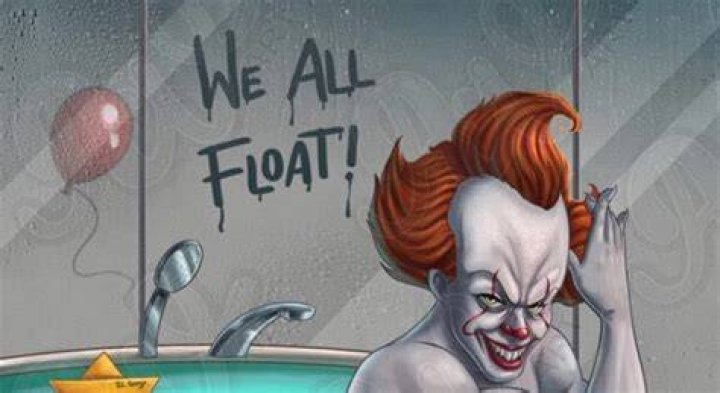
Early versions stuck close to horror. Users photoshopped Pennywise into unexpected locations—office cubicles, grocery stores, family photos—with captions about floating. These played on the juxtaposition of horror meeting mundane reality. Simple, effective, and easily shareable.
Then came the relatable content wave. People started using "we all float" to describe shared negative experiences. Student loan debt? We all float. Monday mornings? We all float. Existential dread about climate change? Definitely floating. The phrase became shorthand for collective suffering, a darkly humorous way to acknowledge that everyone's struggling together.
Twitter users particularly embraced the format for social commentary. Political discussions, economic anxieties, and workplace frustrations all got the Pennywise treatment. The meme's darkness made it ideal for gallows humor—when regular jokes feel insufficient, why not reference a child-murdering clown?
Why This Meme Keeps Resurfacing
Most memes have a lifespan measured in weeks or months. The we all float meme has demonstrated unusual staying power since 2017. Several factors explain its longevity.
The phrase itself is remarkably flexible. It works as a standalone statement, requires no complex setup, and adapts to countless contexts. You don't need to explain the reference—either people get it or the sentence still makes sense. That accessibility matters for viral content.
Horror has a dedicated, active online fanbase. Every October, when spooky season arrives, Pennywise content surges. Halloween costumes, decorations, and themed parties keep the imagery circulating. The 2019 sequel IT Chapter Two provided another boost, reminding audiences why they loved (and feared) the character.
The meme also benefits from emotional resonance. "We all float" captures a specific feeling—that sense of being carried along by forces beyond your control, suspended in uncertainty, or trapped in shared misery. It's relatable without being preachy. Dark without being completely nihilistic.
Common Variations and Formats
Understanding the different ways people use this meme helps explain its versatility. Here are the most popular formats:
- Image macros with Pennywise: Classic format featuring stills from the movie with customized text relating current events or personal experiences to floating
- Text-only tweets: Simple statements like "rent prices got us all floating down here" that reference the meme without visual elements
- Reaction images: Using Pennywise's face to react to bad news, unwelcome information, or unfortunate situations
- Video edits: TikTok and YouTube creators inserting the iconic sewer scene into modern contexts or editing the dialogue for comedic effect
- Crossover memes: Combining the floating concept with other popular meme formats for layered humor
The Psychology Behind Dark Humor Memes
Why do people gravitate toward memes referencing a horror movie about murdered children? The answer isn't as disturbing as it might seem.
Psychologists have long studied how humor helps people cope with anxiety and fear. Dark humor specifically allows individuals to confront uncomfortable topics from a safe distance. Joking about shared struggles—debt, work stress, political chaos—makes them feel less isolating and overwhelming.
The we all float meme works because it acknowledges pain while refusing to be defeated by it. There's something empowering about transforming a horror villain's threat into a joke about Monday mornings. It takes power away from the scary thing and hands it to the joke-maker.
Internet culture particularly embraces this coping mechanism. Online spaces provide anonymity and community simultaneously, creating ideal conditions for dark humor to flourish. People feel safe expressing fears they might not voice in person, and the collective response—likes, retweets, comments—validates those feelings.
Cultural Impact Beyond the Internet
The meme's influence has extended beyond social media posts. Merchandise featuring "you'll float too" and variations appears on t-shirts, coffee mugs, and phone cases. Small businesses on Etsy and Redbubble have built entire product lines around the phrase.
Halloween stores stock Pennywise costumes and decorations that directly reference the meme's popularity. The character became one of the most common Halloween choices in 2017 and 2018, partly because the meme kept him visible year-round.
Even marketing campaigns have borrowed the format. Brands (sometimes successfully, often cringeworthily) have attempted to co-opt the meme for promotional purposes. Fast food chains, streaming services, and consumer products have all tried their hand at Pennywise references, with mixed results.
Frequently Asked Questions
What does "we all float" actually mean in the original IT story?
In Stephen King's IT, floating refers to the fate of Pennywise's victims. The murdered children literally float in the flooded areas of Derry's sewer system where the creature lives. Pennywise uses the phrase to lure victims by suggesting they'll join the other children. In the meme context, it's been reinterpreted to mean being stuck in shared negative circumstances or drifting through difficult times together.
Why did this meme become popular years after the original IT miniseries?
The 2017 IT film remake created the perfect conditions for meme culture. Unlike the 1990 miniseries, the new film released during social media's peak meme era. Bill Skarsgård's fresh, creepy performance gave the line new memorability, and the movie's massive marketing campaign plastered the imagery everywhere. The timing aligned with internet users' appetite for dark humor, and the phrase's flexibility made it ideal for remixing.
Is using this meme disrespectful given its dark origins?
This depends on context and personal sensitivity. The source material involves child murder, which is genuinely dark. However, memes often divorced from literal meanings—most people using "we all float" aren't making light of violence but rather expressing shared frustration about everyday struggles. As with any dark humor, reading your audience matters. What's funny in one context might be inappropriate in another.
Final Thoughts
The we all float meme represents something larger than a single horror movie reference. It's become a cultural touchstone for expressing collective anxiety, finding humor in darkness, and building community around shared experiences. Its staying power reveals what makes memes stick—adaptability, emotional resonance, and perfect timing.
Whether you love it, find it overused, or never quite understood the appeal, the meme has earned its place in internet history. Like Pennywise himself, it keeps returning when you least expect it, popping up in comment sections and Twitter threads years after you thought it had disappeared. And honestly? In a world that often feels like we're all drowning in responsibilities and uncertainties, maybe there's something comforting about acknowledging that we're floating together.