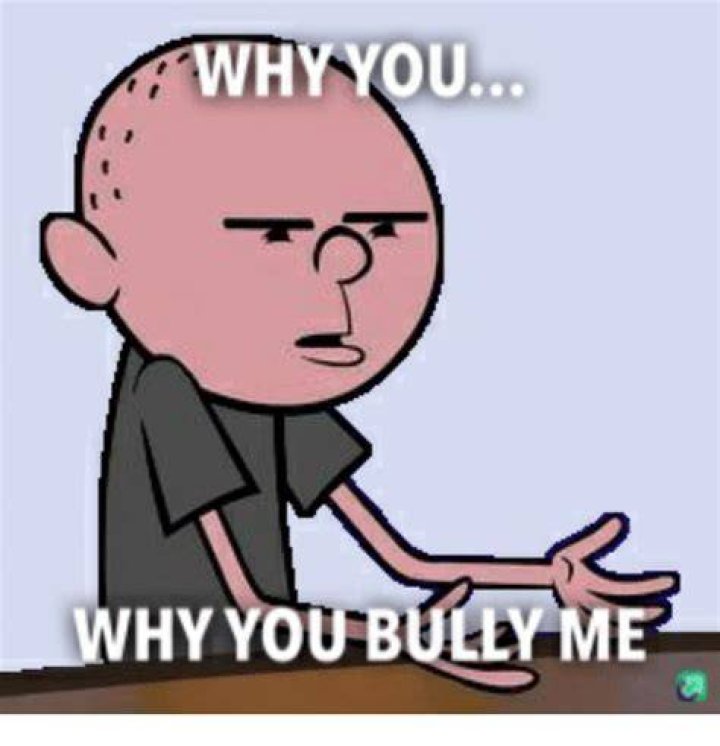
Y U Bulleh Me: Understanding the Viral Phrase and Online Bullying Culture
 Ava Wright
 The phrase "y u bulleh me" has become a recognizable piece of internet vernacular, appearing across social media platforms, memes, and online conversations. This deliberately misspelled variation of "why you bully me" captures something distinctive about how digital natives communicate online. The phrase's intentional grammatical errors aren't accidental—they represent a specific style of internet communication that emerged from gaming communities, social media platforms, and meme culture.
What began as a humorous way to call out perceived unfair treatment has evolved into a cultural touchstone that speaks to broader conversations about online behavior, cyberbullying, and how younger generations process conflict through humor. The phrase typically appears when someone feels targeted, teased, or treated unfairly in online spaces, though it's often used with a layer of irony or self-aware humor rather than genuine distress.
Origins of the Phrase
The exact origin of "y u bulleh me" traces back to various online gaming communities and social media platforms where users adopted broken English and phonetic spelling as a form of comedic expression. This linguistic style gained traction around the mid-2010s when similar phrases like "y u do dis" and other intentionally misspelled expressions became popular memes.
Gaming culture played a significant role in popularizing this communication style. Players who experienced frustrating moments—getting eliminated repeatedly, facing skilled opponents, or encountering technical issues—would type variations of this phrase in chat. The misspelling served multiple purposes: it conveyed emotion quickly, added humor to potentially tense situations, and created a sense of shared language among community members.
YouTube comments, Twitch streams, and Twitter threads amplified the phrase's reach. Content creators began incorporating "y u bulleh me" into video titles, thumbnails, and commentary, recognizing its appeal to audiences familiar with meme culture. The phrase resonated because it expressed a universal feeling—being singled out or treated unfairly—while maintaining a lighthearted tone that prevented situations from becoming genuinely confrontational.
How the Phrase Reflects Online Communication
Internet language has developed its own grammar, syntax, and emotional nuance. "Y u bulleh me" exemplifies several key characteristics of digital communication that distinguish it from traditional written language.
Phonetic spelling creates immediacy. Users type how words sound rather than following conventional spelling rules, which mimics spoken conversation and conveys emotion more effectively than formal writing. This approach makes online interactions feel more personal and spontaneous, even when discussing serious topics.
The phrase also demonstrates how internet users weaponize humor to disarm conflict. Rather than directly confronting someone with "stop bullying me," the intentionally childish phrasing creates emotional distance. It acknowledges the situation without giving it the weight of serious accusation. This protective layer of irony helps users navigate potentially hostile online environments without appearing overly sensitive or confrontational.
Meme language functions as cultural shorthand. When someone types "y u bulleh me," others immediately understand not just the literal meaning but the entire emotional context, the reference to meme culture, and the appropriate tone for responding. This shared understanding creates in-group identity among internet users who recognize and use these linguistic markers.
The Serious Side: Online Bullying Context
While "y u bulleh me" often appears in humorous contexts, it exists against the backdrop of genuine online harassment and cyberbullying concerns. Understanding this phrase requires recognizing the complex relationship between meme culture and real emotional harm that occurs in digital spaces.
Cyberbullying affects millions of people annually. Research indicates that approximately 37% of young people between ages 12-17 have experienced online bullying at some point. The anonymity and distance provided by digital platforms can embolden harmful behavior that people might not engage in face-to-face.
The phrase's popularity raises questions about how humor intersects with serious issues. Some argue that making light of bullying through meme phrases normalizes harmful behavior or makes it harder for victims to be taken seriously. Others contend that humor provides a coping mechanism that helps people process negative experiences and reclaim power in situations where they feel targeted.
Context matters enormously when interpreting this phrase. In a gaming session among friends, "y u bulleh me" might be genuine playful banter. In other scenarios, it could mask real distress, with the humorous framing serving as a shield against appearing vulnerable. Digital communication's lack of tone and body language makes distinguishing between these situations challenging.
Cultural Impact and Variations
The phrase has spawned numerous variations and related expressions that follow similar linguistic patterns. "Y u do dis," "y u heff to be mad," and "y u gotta be like dat" all share the same grammatical structure and serve similar communicative functions.
Different online communities have adapted the phrase to their specific contexts. Gaming communities might use it when facing difficult opponents. Social media users deploy it when responding to criticism or disagreement. Meme pages create visual content pairing the phrase with reaction images, expanding its expressive range beyond text alone.
The phrase has transcended English-speaking communities. Non-native English speakers often use this style of broken English intentionally as part of their online persona, creating a globally recognized communication style that crosses linguistic boundaries. This adoption reflects how internet culture creates shared languages that exist independently of traditional linguistic divisions.
Psychological Dimensions
The psychology behind using and responding to "y u bulleh me" reveals interesting insights about online behavior and emotional regulation in digital spaces.
Humor serves as a defense mechanism in uncomfortable situations. By framing a potentially hurtful interaction through comedic language, users create psychological distance from the emotional impact. This self-protective strategy allows people to address conflict without fully exposing their vulnerability.
The phrase also exemplifies performative victimhood in some contexts. Users might deploy it strategically to position themselves as the aggrieved party in disputes, even when they're not genuinely hurt. This performance can manipulate social dynamics, garnering sympathy or deflecting criticism.
Parasocial relationships between content creators and audiences influence how the phrase functions. Fans might use "y u bulleh me" when creators make jokes at their expense, playfully participating in the dynamic while signaling they're in on the joke. This creates intimacy and shared understanding between creators and communities.
Benefits and Drawbacks
Using meme language like "y u bulleh me" offers specific advantages in online communication, but it also presents potential problems worth examining.
The benefits include emotional regulation through humor, which helps people navigate potentially stressful online interactions without becoming overly reactive. The phrase creates community bonds among users who share this linguistic culture, fostering a sense of belonging. It allows quick emotional expression without requiring lengthy explanations, which suits the fast-paced nature of digital communication.
The lighthearted framing can also de-escalate conflicts. When someone responds to criticism with "y u bulleh me," it can diffuse tension more effectively than defensive or aggressive responses. This approach prevents minor disagreements from escalating into serious conflicts.
However, drawbacks exist. The ironic distance created by meme language can trivialize genuine harm. When everything becomes a joke, it becomes harder to distinguish real distress from performance. This ambiguity can leave actual bullying victims feeling unheard or dismissed.
The phrase might enable avoidance of serious conversations. Rather than addressing problematic behavior directly, users can hide behind humor, preventing meaningful resolution or growth. This creates environments where harmful patterns continue unchallenged because addressing them seriously would violate the community's comedic tone.
Frequently Asked Questions
Is "y u bulleh me" meant to be serious or joking?
The phrase typically carries a humorous or ironic tone rather than expressing genuine distress. Users employ it to acknowledge feeling targeted while maintaining emotional distance through comedy. However, context matters significantly. In some situations, the humorous framing might mask real hurt feelings, making it important to consider the broader conversation and relationship dynamics when interpreting the phrase.
Where did this style of intentionally misspelled internet language come from?
This communication style emerged from multiple online communities simultaneously, including gaming forums, image boards, and early social media platforms. The intentional misspellings and grammatical errors create a distinct tone that conveys emotion and humor simultaneously. The style gained mainstream recognition through viral memes and content creators who incorporated these linguistic patterns into their work, eventually becoming a recognized element of internet culture.
Does using phrases like this normalize bullying behavior?
This question generates legitimate debate. Some experts worry that making light of bullying through memes could desensitize people to genuine harm or make victims less likely to report serious issues. Others argue that humor provides necessary coping mechanisms and that most users clearly distinguish between playful banter and actual harassment. The truth likely varies by community and context, requiring thoughtful consideration of how humor intersects with genuine concern for people's wellbeing in digital spaces.
Final Thoughts
"Y u bulleh me" represents more than just a funny phrase—it's a window into how digital communication reshapes language, humor, and social interaction. The expression captures the complex ways people navigate online spaces where playfulness and genuine conflict often coexist. Understanding this phrase means recognizing how internet users create shared languages that allow them to express vulnerability while maintaining protective emotional distance.
As online communication continues evolving, phrases like this will likely remain fixtures of digital culture. They serve important social functions, helping people bond over shared experiences and navigate the unique challenges of communicating without physical presence or vocal tone. Whether you find the phrase amusing or concerning probably depends on your perspective about how humor should intersect with serious topics. What remains clear is that these linguistic innovations reflect genuine human needs for connection, expression, and emotional protection in increasingly digital lives.