The Fat JD Vance Meme: How a Political Figure Became Internet Fodder
 Sarah Cherry
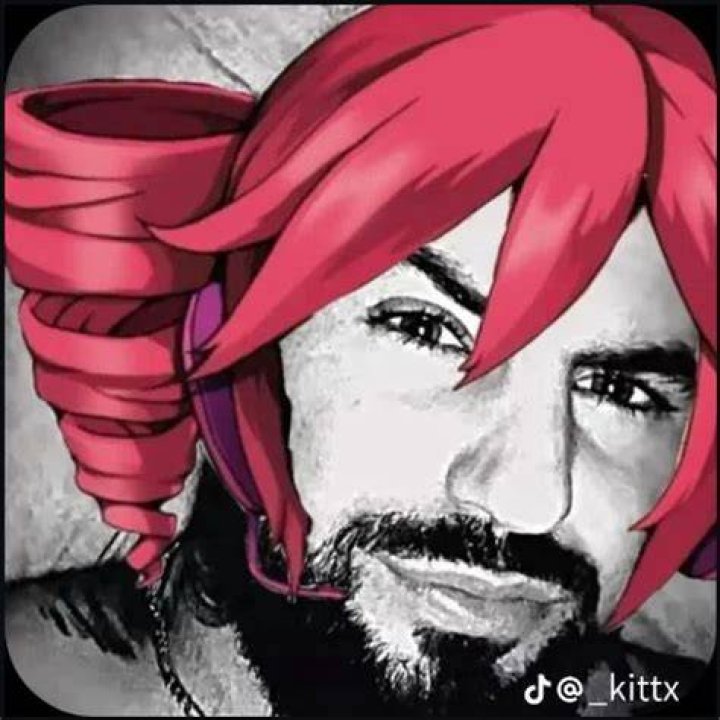
 JD Vance, the Ohio Senator and former vice presidential candidate, became an unexpected fixture in meme culture during the 2024 election cycle. Among the various visual jokes and satirical content circulating online, one particular strain focused on altered or exaggerated images related to his physical appearance. These memes spread rapidly across platforms like X (formerly Twitter), Reddit, and TikTok, blending political commentary with internet humor in ways that reflect broader trends in how we discuss public figures.
The phenomenon isn't isolated. Political memes have become a standard feature of modern campaigns and public discourse, serving as both entertainment and critique. What makes this particular case notable is how quickly doctored images and satirical content can overshadow policy discussions, raising questions about the nature of political engagement in digital spaces.
Origins of the JD Vance Meme Phenomenon
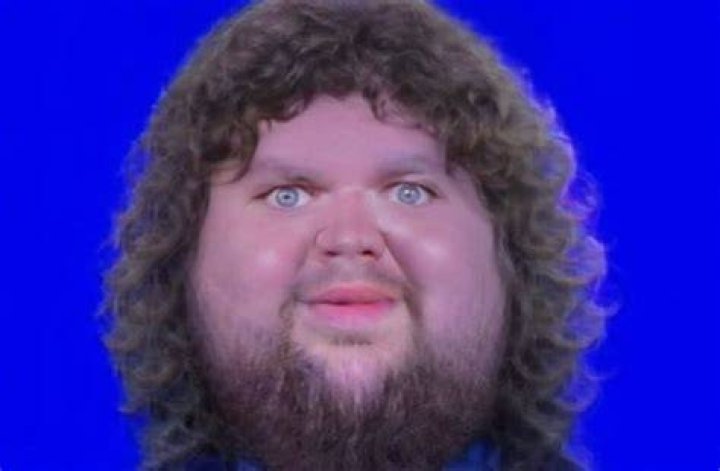
The surge in meme content targeting JD Vance intensified during his 2024 vice presidential campaign alongside Donald Trump. Internet users began creating and sharing altered photographs, often using editing software to modify his appearance in various ways. Some images exaggerated features, while others placed him in absurd contexts designed for comedic effect.
Social media algorithms amplified this content. Platforms prioritize engagement, and provocative or humorous political content generates significant interaction. A single viral post can reach millions within hours, creating feedback loops where more users contribute their own variations. The participatory nature of meme culture means anyone with basic photo editing skills can join the conversation.
Political operatives and media observers noted how these memes functioned differently than traditional attack ads. They weren't funded campaigns with clear messaging objectives. Instead, they emerged organically from online communities, driven by users seeking entertainment, expressing political opinions, or simply participating in trending topics.
How Political Memes Spread and Evolve
Understanding why certain memes gain traction requires examining platform dynamics and user behavior. Visual content performs exceptionally well on social media. Images require less cognitive effort than reading articles, making them ideal for quick consumption and sharing.
The lifecycle of a political meme typically follows predictable patterns. An original image or concept appears, often on niche forums or smaller social media accounts. If it resonates, larger accounts amplify it. Media coverage sometimes follows, which paradoxically increases the meme's reach even when the coverage is critical.
Variations emerge rapidly. Users create their own versions, adding new captions, combining elements from different memes, or adapting the format to different contexts. This iterative process keeps the content fresh and extends its lifespan beyond what a single static image could achieve.
The Role of Body-Focused Content in Political Discourse
Memes targeting physical appearance occupy controversial territory. Critics argue they reduce political discourse to shallow personal attacks, distracting from substantive policy debates. Defenders sometimes frame them as fair game in an environment where all public figures face scrutiny and satire.
Body-focused political commentary isn't new. Editorial cartoons have exaggerated politicians' features for centuries. What's changed is the scale and speed. A caricature that might have appeared in a single newspaper now reaches global audiences instantly. The permanence of digital content means these images remain searchable indefinitely.
Research on political communication suggests visual attacks can be effective precisely because they're memorable. Voters may forget specific policy positions but remember striking or humorous images. This creates tension between entertainment value and the kind of informed discourse many argue democracy requires.
Impact on Public Perception and Political Campaigns
Campaign strategists now must account for meme culture in their planning. Candidates can't control how their images will be manipulated or shared. Some campaigns attempt to preempt negative memes by creating their own humorous content, while others ignore online chatter entirely, hoping it will pass.
Public perception studies show mixed effects. Younger, internet-native voters often distinguish between meme culture and serious political evaluation. They can engage with satirical content while also researching candidates' positions. Older demographics may encounter these memes through different contexts, sometimes without understanding the satirical framing.
The challenge for political figures is that responding to memes often backfires. Acknowledgment can amplify content that might have remained in niche communities. Ignoring it risks appearing out of touch. Most campaigns settle for indirect approaches, focusing on positive messaging rather than addressing specific viral content.
Key Characteristics of Viral Political Memes
- Visual simplicity that works on mobile screens where most social media consumption occurs
- Emotional resonance, whether through humor, outrage, or solidarity with a particular viewpoint
- Adaptability allowing users to create personalized versions while maintaining recognizable core elements
- Timing that connects to current events, debates, or news cycles when public attention is already focused on the subject
- Low barrier to entry requiring minimal technical skills to create or share variations
Ethical Considerations in Political Satire
The line between satire and harassment remains debated. Legal protections for parody are well-established in the United States, but ethical questions persist. Does the public nature of political office justify any form of mockery? Are there boundaries that online communities should observe even when they're legally permitted to cross them?
Some argue that politicians voluntarily enter public life, accepting increased scrutiny as part of their roles. Others note that personal attacks create hostile environments that might discourage qualified individuals from pursuing office. The asymmetry matters too—meme creators face little accountability while their targets deal with lasting reputational effects.
Platform moderation policies struggle with these nuances. Content that mocks public figures generally doesn't violate terms of service, even when it might be considered cruel or misleading. Automated systems can't easily distinguish between legitimate political satire and harassment, leaving these decisions to inconsistent human review.
The Broader Context of Internet Political Culture
JD Vance is far from the only political figure subjected to meme treatment. Every major candidate in recent elections has become meme material. The format has become a standard way people engage with politics online, particularly among demographics who get news primarily through social media rather than traditional outlets.
This shift raises questions about information quality. Memes compress complex issues into simple visual statements. They're designed for emotional impact rather than nuanced understanding. While they can effectively highlight hypocrisy or absurdity, they also spread misinformation when context is stripped away.
Educational initiatives now address media literacy in meme culture, teaching students to question sources, verify claims, and recognize manipulation techniques. As visual content becomes more sophisticated through AI tools, these skills become increasingly critical for informed citizenship.
Frequently Asked Questions
Why do political memes focus on physical appearance?
Physical appearance provides immediately recognizable visual elements that require no explanation. Unlike policy positions that need context, an altered photograph communicates instantly. This aligns with how social media platforms prioritize content that captures attention quickly as users scroll through feeds. Body-focused content also taps into existing cultural conversations about appearance, making it feel relevant beyond just the political context.
Can politicians effectively respond to negative memes?
Most communication experts advise against direct responses. Engaging with meme content often amplifies it to audiences who hadn't seen the original. Successful approaches typically involve maintaining focus on campaign messages while building positive online presence through official channels. Some younger candidates have used self-deprecating humor effectively, but this requires careful calibration to avoid appearing to validate attacks.
Do these memes actually influence voters?
Research suggests memes primarily reinforce existing opinions rather than changing minds. People share political memes that align with their current views, creating echo chambers within social networks. The cumulative effect can shape perceptions over time, particularly for less-engaged voters whose main political exposure comes through casual social media use. Name recognition and general impressions—even negative ones—can influence decisions when voters have limited information about down-ballot races.
Final Thoughts
The fat JD Vance meme represents one instance in the ongoing evolution of political communication. These visual jokes circulate in the same digital spaces where people share news, organize movements, and form opinions about candidates and policies. Whether this constitutes healthy democratic discourse or shallow distraction depends largely on perspective.
What seems certain is that meme culture isn't disappearing from politics. Future campaigns will continue navigating this landscape, and voters will keep encountering candidates through these informal, often irreverent channels. Understanding how these memes function—their creation, spread, and impact—helps us engage more critically with the content that shapes political conversations online. The challenge lies in maintaining space for both humor and substance, recognizing that democracy needs informed citizens even as it accommodates the very human tendency to laugh at those in power.