Too Much Happening Meme: Why Everyone Relates to Digital Overwhelm
 Christopher Pierce
Scrolling through social media lately feels like watching ten movies simultaneously while someone reads you the news and your phone buzzes with seventeen notifications. That's exactly what the "too much happening" meme captures—a collective sigh of exasperation wrapped in humor. This viral sensation has become shorthand for the sensation of being completely swamped by events, information, and stimuli all demanding attention at once.
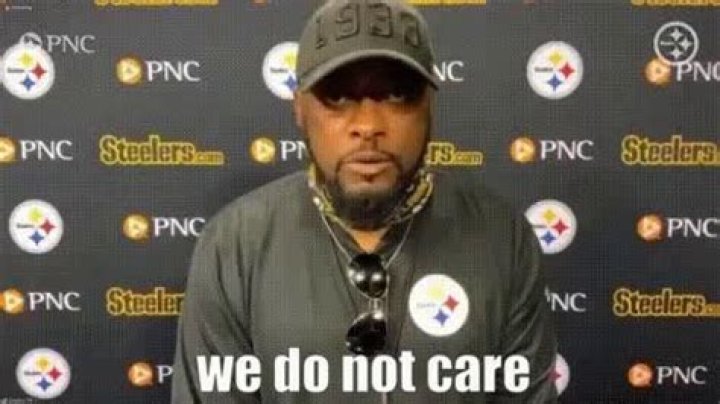
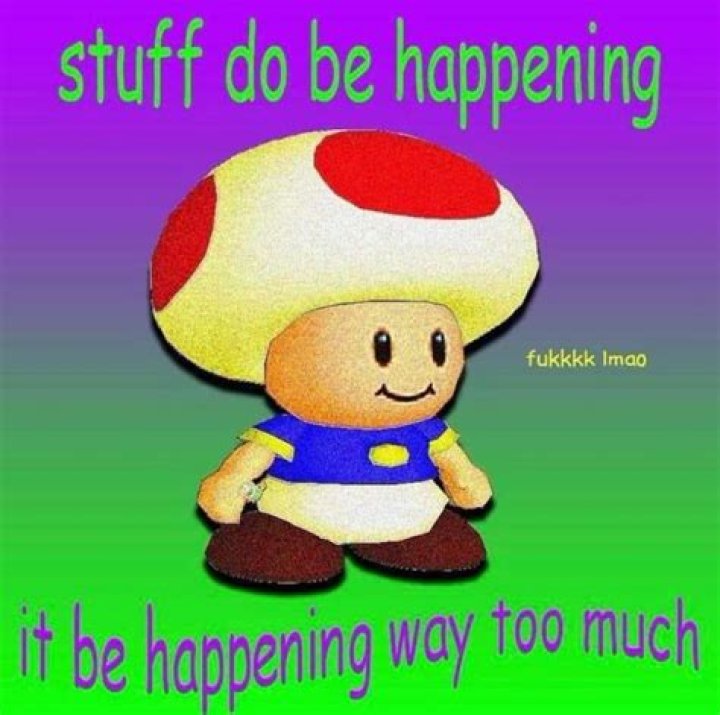
The meme typically features images or videos showing characters or people looking bewildered, stressed, or completely checked out, paired with captions expressing inability to process everything occurring around them. It resonates because it's brutally honest about something we're all experiencing but rarely articulate: the modern world moves faster than our brains evolved to handle.
Origins and Evolution of the Too Much Happening Meme
The phrase "too much is happening" gained serious traction during particularly chaotic news cycles when major events seemed to pile up relentlessly. While pinpointing the exact origin of internet memes proves challenging, this particular format exploded around periods of intense global activity—political upheaval, pandemic developments, economic shifts, and cultural moments all colliding.
Early versions often featured screenshots from shows or movies where characters looked visibly overwhelmed. The math lady meme—showing actress Renata Sorrah from a Brazilian soap opera with mathematical equations floating around her confused expression—became a frequent template. People would caption it with variations of "me trying to process everything happening right now."
What separated this from typical confusion memes was its specificity about volume rather than complexity. This wasn't about not understanding something. It acknowledged understanding perfectly well that events were occurring but feeling utterly incapable of keeping up with the sheer quantity.
Why This Meme Strikes Such a Universal Chord
Information overload isn't new, but its intensity has reached unprecedented levels. The average person encounters more information in a single day than someone in the 15th century encountered in their entire lifetime. News breaks constantly. Social media never sleeps. Work emails arrive at midnight. Streaming services release entire seasons at once.
The too much happening meme gives people permission to feel overwhelmed without shame. It validates the experience of cognitive overload through humor. When someone shares this meme, they're essentially saying "I can't keep up and that's okay" while knowing thousands of others feel identical.
Psychologists recognize this phenomenon as decision fatigue and information anxiety. Our brains haven't evolved mechanisms to filter the torrent of data modern technology delivers. The meme serves as both coping mechanism and social bonding tool—a way to acknowledge shared struggle without falling into despair.
Common Formats and Variations
The beauty of this meme lies in its adaptability. Creators remix it endlessly to fit specific contexts while maintaining the core theme of overwhelming circumstances.
- Video clips of people or characters looking progressively more stressed as text overlays list accumulating events
- Split-screen comparisons showing calm past versus chaotic present
- Screenshots from news apps showing multiple major headlines from a single day
- Images of animals appearing confused or tired with captions about processing current events
- Reaction GIFs paired with lists of simultaneous personal or global situations
- Calendar screenshots highlighting an absurd number of overlapping commitments
The Psychology Behind Relating to Overload Memes
Humor has always been humanity's pressure valve for stress. The too much happening meme taps into something deeper than simple jokes—it reflects genuine mental health concerns about sustainable attention in the digital age.
Research shows that constant context-switching between tasks and information streams actually reduces cognitive performance. When everything feels urgent and important simultaneously, the brain struggles to prioritize effectively. This creates a feedback loop: we feel overwhelmed, which reduces our processing capacity, which makes us feel more overwhelmed.
Sharing these memes creates what psychologists call "social validation." Seeing others express identical feelings normalizes the experience. You're not weak or inefficient—you're human, and humans aren't designed to monitor global events in real-time while managing work, relationships, health, finances, and personal growth simultaneously.
The meme also functions as gentle activism. By making overwhelm visible and relatable, it pushes back against toxic productivity culture that insists we should handle infinite inputs without breaking stride.
When the Meme Became Reality: Peak Usage Periods
Certain moments in recent history saw explosive increases in too much happening meme sharing. Election cycles generate particularly heavy usage as political developments cascade. Global health crises created sustained periods where each day brought significant updates requiring mental processing.
Economic turbulence, natural disasters, technological disruptions, and cultural reckonings all contribute. When multiple major stories compete for attention space—say, simultaneous weather emergencies, political scandals, economic reports, and entertainment news—the meme surges.
Social media metrics from 2020 through 2024 show consistent spikes correlating with objectively chaotic news periods. But interestingly, usage also climbs during personally overwhelming times unrelated to world events. Finals week at universities sees students flooding timelines with variations. Tax season brings another wave. Holiday preparations generate their own subset.
Digital Wellness and Setting Boundaries
The popularity of this meme has sparked broader conversations about information consumption habits. Mental health advocates use it as an entry point to discuss practical strategies for managing digital overwhelm.
Setting specific times for news consumption rather than constant monitoring helps. Curating social media feeds to reduce noise improves mental clarity. Recognizing that you don't need to have informed opinions about every single event liberates cognitive resources.
Some people practice "slow media"—choosing depth over breadth by following fewer topics more thoroughly. Others implement notification boundaries, allowing themselves genuine disconnection. The meme itself becomes part of the solution: sharing it and laughing provides brief relief from the pressure to stay constantly updated.
Cultural Impact Beyond the Screen
Language borrowed from internet culture increasingly appears in everyday conversation. People say "there's too much happening" in meetings, at dinner tables, in therapy sessions. The phrase has entered common vocabulary as shorthand for a specific type of modern stress.
Journalists reference it when covering particularly dense news periods. Comedians build bits around the concept. It appears in academic papers about digital culture and mental health. The meme has transcended its format to become a genuine cultural touchstone describing contemporary life.
Brands attempting to seem relatable sometimes co-opt the format, though this often backfires. Audiences can tell when someone genuinely feels overwhelmed versus when they're performing relatability for engagement. Authenticity matters in meme culture.
Frequently Asked Questions
What does the too much happening meme mean?
The too much happening meme expresses the feeling of being overwhelmed by the sheer volume of events, information, or responsibilities demanding attention simultaneously. It captures information overload and the cognitive exhaustion of trying to process everything occurring in personal life, news cycles, or online spaces all at once. The meme validates these feelings through humor and shared experience.
Why do people share overwhelmed memes during major news events?
Sharing these memes serves multiple purposes. It creates social connection through shared experience, validating that others feel similarly swamped. It provides comic relief during stressful periods, offering brief mental respite from heavy information. The act of sharing also externalizes internal feelings, making abstract overwhelm concrete and manageable. People often share these memes as shorthand for "I'm struggling to keep up" without requiring lengthy explanations.
Is feeling like too much is happening a sign of a bigger problem?
While occasional overwhelm is normal given modern information density, persistent feelings might indicate information anxiety, burnout, or other stress-related concerns. If the sensation interferes with daily functioning, relationships, or wellbeing, it's worth examining consumption habits and considering professional support. The meme itself isn't harmful—it's actually a healthy acknowledgment of limits. Problems arise when overwhelm becomes constant without relief or boundary-setting.
Finding Balance in an Always-On World
The too much happening meme will likely remain relevant as long as information continues flowing at current velocities. It's become more than just internet humor—it's a cultural artifact documenting how humans adapt psychologically to unprecedented technological change.
The meme's endurance suggests we're still figuring out sustainable relationships with constant connectivity. Each share represents someone pausing to acknowledge their limits, which is healthier than pretending infinite processing capacity exists. Humor helps, but so does genuine examination of how we consume information and what we actually need to know versus what algorithms serve us.
Perhaps the meme's greatest service is simply making visible what productivity culture wants hidden: humans have boundaries, attention is finite, and sometimes the healthiest response to chaos is admitting you can't track everything. That's not failure. That's wisdom.