Tonight Will Be the Night Meme: Origins, Meaning & Why It's Everywhere
 Emma Horne
Scrolling through social media lately, you've probably encountered variations of the "tonight will be the night" meme plastered across your feed. This phrase, usually paired with images of someone looking determined or hopeful, captures a universal human experience: the optimistic lie we tell ourselves about finally getting things done. The meme resonates because it's painfully accurate. We've all been there, convinced that this evening will be different, only to find ourselves three hours deep into a Netflix binge or scrolling endlessly through our phones.
What started as a simple observation about human behavior has evolved into one of the internet's most versatile formats. The meme taps into our collective experience with procrastination, self-deception, and the gap between intention and action. Its popularity reflects something deeper about modern life—our constant struggle between what we plan to do and what we actually end up doing.
Where Did the Tonight Will Be the Night Meme Come From?
The exact origin of the "tonight will be the night" meme is difficult to pinpoint, as many internet phenomena emerge organically from multiple sources. However, the phrase gained significant traction on Twitter and Reddit around 2019-2020, where users began sharing relatable scenarios about promising themselves they'd be productive in the evening.
The meme typically features the setup: "Tonight will be the night I [insert productive activity]" followed by an image showing the reality—usually someone doing absolutely nothing productive. Early versions often referenced common evening goals like going to bed early, studying for an exam, or starting a workout routine. The format proved instantly relatable because almost everyone has experienced this exact pattern of self-delusion.
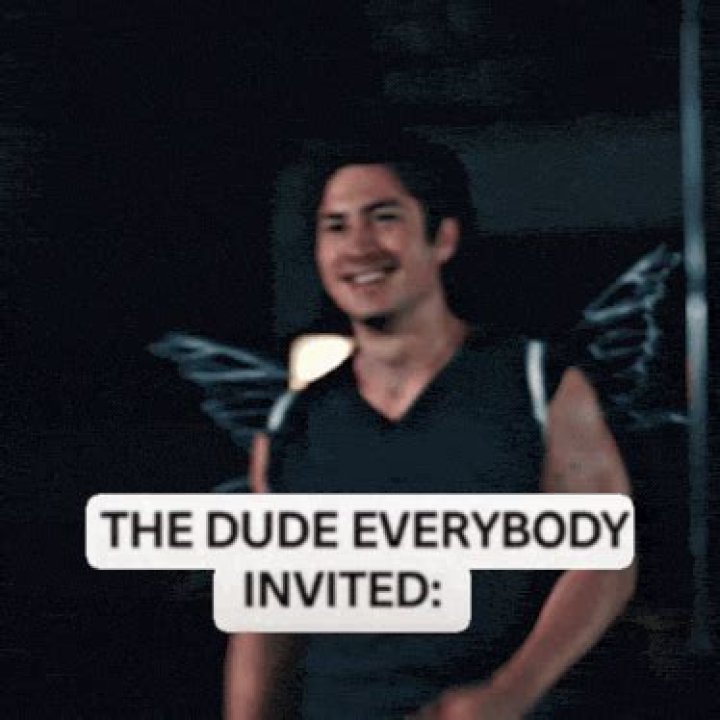
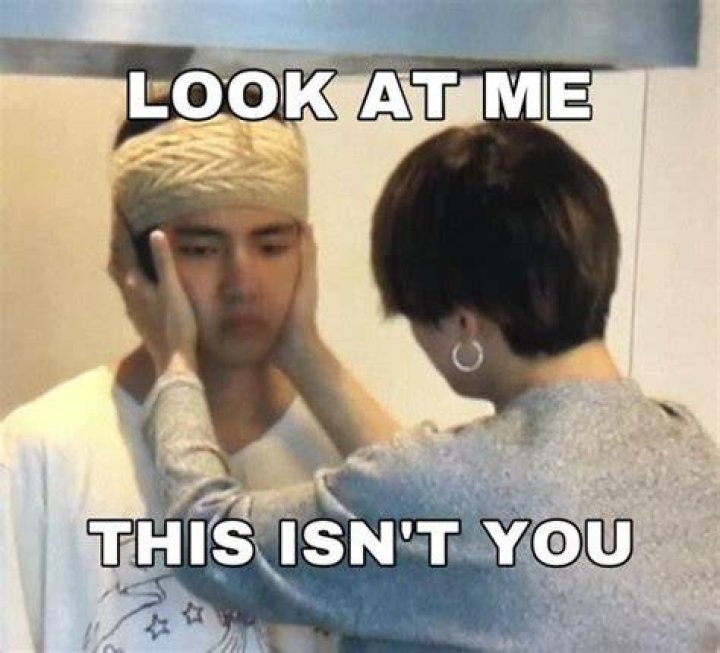
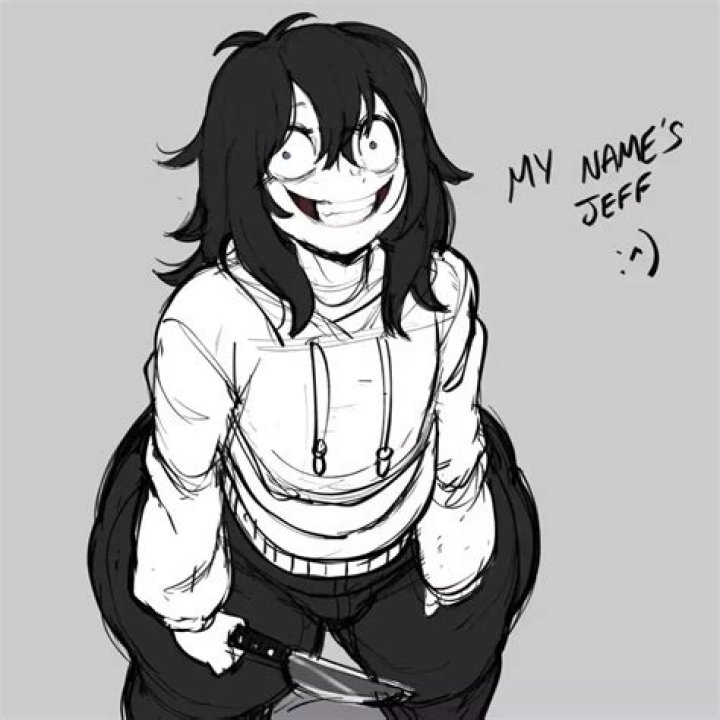
Social media users quickly adapted the format to countless situations. Some versions feature animated characters looking determined, while others use celebrity photos or movie stills to emphasize the contrast between determination and inevitable failure. The meme's flexibility allowed it to spread rapidly across platforms, from Twitter to Instagram, TikTok, and Facebook.
Why This Meme Strikes Such a Chord
The genius of the "tonight will be the night" meme lies in its brutal honesty about human nature. We're creatures of habit who genuinely believe each new day—or evening—offers a fresh start. That optimism is both beautiful and slightly absurd, especially when we repeat the same pattern night after night.
Psychologically, the meme touches on several concepts that researchers have studied extensively. The planning fallacy, identified by psychologists Daniel Kahneman and Amos Tversky, describes our tendency to underestimate how long tasks will take. We also experience what's called "present bias," where we overvalue immediate comfort over future benefits. That's why lying on the couch feels better right now than the abstract idea of tomorrow's productivity.
The meme also captures what behavioral scientists call the "fresh start effect." Studies show that people feel more motivated to pursue goals at temporal landmarks—the start of a new week, month, or year. Evening represents a mini fresh start within each day. Unfortunately, by evening, we're often mentally exhausted from the day's decisions, making us more likely to choose easy, comfortable activities over challenging ones.
Common Variations and Popular Formats
The beauty of this meme format is its adaptability. Users have created thousands of variations, each highlighting different aspects of the procrastination experience. Here are some of the most popular themes:
- Sleep schedule promises: "Tonight will be the night I go to bed at 10 PM" followed by an image timestamped at 3 AM
- Study and productivity: "Tonight will be the night I finally start that assignment" paired with someone playing video games
- Fitness goals: "Tonight will be the night I do that home workout" showing someone ordering takeout instead
- Creative projects: "Tonight will be the night I work on my novel" featuring someone watching YouTube for hours
- Social commitments: "Tonight will be the night I reply to all my messages" with someone avoiding their phone entirely
- Self-improvement: "Tonight will be the night I start meditating" followed by doom-scrolling on social media
Each variation follows the same basic structure but applies it to different situations, making the meme endlessly renewable. Content creators continue finding new ways to express the same fundamental truth about human behavior.
The Cultural Commentary Behind the Humor
Beyond the laughs, the "tonight will be the night" meme offers commentary on modern life's demands and pressures. We live in a culture obsessed with productivity, self-optimization, and constant improvement. Side hustles, morning routines, and life hacks dominate social media discourse. Everyone seems to be crushing their goals—or at least presenting that image online.
This meme provides relief from that pressure. It creates space to acknowledge that we're not always our best selves, and that's okay. The humor comes from recognition rather than judgment. When someone shares this meme, they're essentially saying, "I see you struggling with the same things I struggle with."
The meme also reflects how digital technology has changed our evening routines. Previous generations might have read books, watched a single television program, or gone to bed earlier. Today's evenings compete with infinite entertainment options—streaming services, social media, online gaming, YouTube rabbitholes, and endless content designed to capture our attention. The phrase "tonight will be the night" often means "tonight I'll resist all these distractions," which becomes increasingly difficult as platforms optimize for engagement.
How Brands and Creators Use the Meme
Like most viral formats, brands and content creators have adopted the "tonight will be the night" meme for marketing and engagement purposes. Fast food chains use it to joke about diet plans ("Tonight will be the night I eat healthy" followed by their burger products). Streaming services reference it when promoting binge-worthy shows. Fitness apps and productivity tools even use the format self-referentially, acknowledging the gap between downloading an app and actually using it.
Content creators on TikTok and Instagram have expanded the format into video skits, showing the progression from determined evening planning to inevitable distraction. These videos often rack up millions of views because they dramatize an experience viewers instantly recognize. The comment sections become spaces where people share their own "tonight will be the night" failures, creating community through shared imperfection.
The Psychology of Procrastination Memes
The "tonight will be the night" meme belongs to a broader category of procrastination humor that's exploded online. Similar memes include "I'll start Monday," "I work better under pressure," and "Just five more minutes." But this particular phrase is special because it captures a specific moment—that early evening decision point where we still have time to be productive but probably won't be.
Researchers who study internet culture note that these memes serve important social functions. They normalize struggles that people might otherwise feel ashamed about. When you see hundreds of people sharing the same meme about procrastination, your own difficulties feel less like personal failures and more like universal human experiences. This normalization can be healthy, though some psychologists caution that it might also enable continued procrastination by making it seem inevitable rather than changeable.
The meme format also provides a low-stakes way to discuss mental health issues. Chronic procrastination can be linked to anxiety, depression, ADHD, and other conditions. By joking about it through memes, people might be indirectly processing more serious struggles. The humor becomes a coping mechanism and a conversation starter.
Frequently Asked Questions
What does the "tonight will be the night" meme actually mean?
The meme expresses the common experience of promising yourself you'll be productive or accomplish something in the evening, then completely failing to follow through. It's about the gap between our intentions and our actions, usually because we choose comfort and entertainment over challenging tasks. The humor comes from how universally relatable this pattern is—nearly everyone has told themselves "tonight will be different" only to repeat the same unproductive habits.
Why do people find this meme so relatable?
The meme resonates because it captures a genuine psychological phenomenon. Evenings feel like opportunities for fresh starts within each day, but they're also when we're most mentally exhausted and susceptible to immediate gratification. The meme acknowledges this contradiction in a humorous, non-judgmental way. It also reflects modern challenges with digital distractions, endless entertainment options, and productivity pressure, making it especially relevant to contemporary life.
Is the "tonight will be the night" meme still popular?
Yes, the meme remains popular and continues evolving with new variations. While specific meme formats often have short lifespans, this one has staying power because the experience it describes is timeless and universal. As long as people struggle with procrastination and self-discipline, variations of this meme will likely keep appearing across social platforms. Its adaptability to different situations and contexts helps maintain its relevance.
Final Thoughts
The "tonight will be the night" meme endures because it speaks truth through humor. It's not really about mocking ourselves for failing to be productive; it's about finding community in our shared struggles with discipline, distraction, and the eternal optimism that somehow, someway, tomorrow's evening will be different. Maybe it will be. But probably, we'll just see another version of this meme and laugh because once again, we understand it perfectly. That recognition—that moment of seeing yourself reflected in a simple joke—is what makes internet culture powerful. The meme will likely evolve, spawn new variations, and continue making people feel a little less alone in their procrastination. And honestly? That's valuable too.