Oh Piece of Candy: The Viral Meme That Became a Cultural Phenomenon
 John Castro
 If you've spent any time scrolling through social media in recent years, you've probably encountered the phrase "oh piece of candy" accompanied by a clip from Family Guy. What started as a simple gag in an animated sitcom has transformed into one of the internet's most enduring memes, representing distraction, temptation, and the human tendency to be easily sidetracked by small pleasures.
The meme's staying power isn't accidental. It taps into something universal about human nature—our susceptibility to immediate gratification and how easily we can be led astray by something appealing. But how did a brief animated sequence become such a cultural touchstone? The answer reveals fascinating insights about how modern internet culture shapes and reshapes entertainment content into shared language.
The Origin of the Oh Piece of Candy Scene
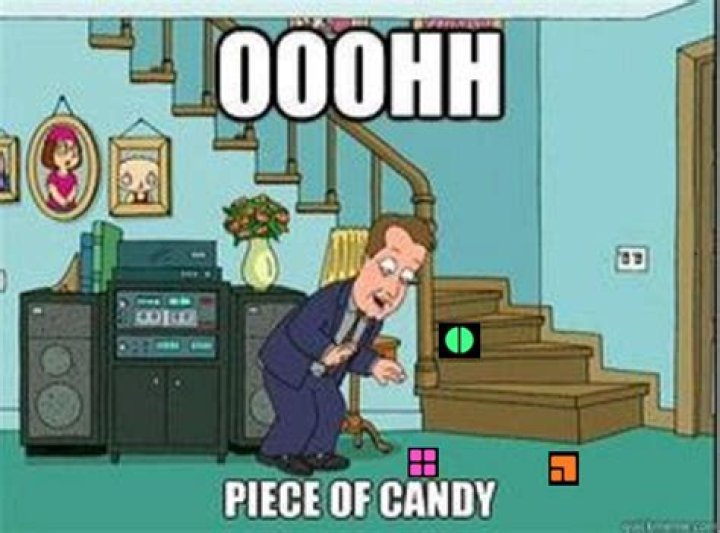
The scene originates from "E. Peterbus Unum," the twelfth episode of Family Guy's second season, which aired in July 2000. In the episode, Peter Griffin discovers his property isn't technically part of the United States and declares his land an independent nation called Petoria. When Joe Swanson attempts to deliver an arrest warrant, Peter lures him away from his house using a trail of candy pieces.
As Joe follows the trail, he repeatedly bends down to pick up each piece while saying "oh piece of candy" in a monotone voice. The scene continues with Joe mindlessly following the candy trail, completely forgetting his original mission. It's a straightforward sight gag that plays on Joe's character and the absurdity of someone being so easily distracted.
What makes this particular scene memorable is its simplicity. The repetitive nature of Joe's actions and dialogue creates a hypnotic effect that mirrors the very distraction it portrays. Family Guy, known for its cutaway gags and non-sequitur humor, struck gold with this particular bit of physical comedy.
Why This Meme Resonates With Audiences
The genius of the oh piece of candy meme lies in its versatility and relatability. People use it to describe situations where they've been distracted from important tasks by something trivial yet appealing. Procrastination, impulse purchases, getting sidetracked while working—the meme captures all these experiences perfectly.
Social media users have adapted the format countless ways. Someone might post it when they open their phone to check one thing but end up scrolling for an hour. Others use it to describe following a series of Wikipedia links until they're reading about something completely unrelated to their original search. The meme works because everyone has experienced this kind of distraction.
Psychology backs up why this resonates. Research on dopamine and reward systems shows that humans are hardwired to respond to immediate, small rewards—exactly what the candy pieces represent. Each piece of candy is a micro-reward that keeps Joe moving forward, just as notifications, likes, and other digital stimuli keep us engaged with our devices.
How the Meme Evolved Across Platforms
Like many successful memes, "oh piece of candy" didn't go viral immediately after the episode aired. It took years for the clip to gain traction online. The rise of video-sharing platforms and social media created the perfect environment for short, repeatable clips to spread.
Twitter users embraced the meme for its brevity. A simple "oh piece of candy" tweet could convey an entire story about distraction without elaborate explanation. The phrase became shorthand that anyone familiar with the reference would instantly understand.
On TikTok and Instagram Reels, creators found new ways to reinterpret the concept. Some filmed themselves being progressively distracted by various temptations. Others created elaborate scenarios where the "candy" represented anything from crypto investments to streaming service free trials. The core concept remained flexible enough to apply to virtually any situation involving temptation or distraction.
Reddit communities dedicated to specific interests adopted the meme to describe niche experiences. Gaming subreddits use it when players get distracted by side quests. Personal finance communities apply it to impulse spending. The meme's structure allows for endless customization while maintaining its essential meaning.
Key Elements That Make This Meme Effective
- Universal experience: Everyone understands being distracted by something appealing
- Visual simplicity: The image of following a trail of rewards is instantly recognizable
- Repetitive structure: The repetition in the original scene makes it memorable and quotable
- Emotional honesty: It acknowledges human weakness without judgment
- Flexibility: The concept applies to countless real-world situations
- Self-deprecating humor: People use it to laugh at their own poor impulse control
- No context needed: Even without seeing the Family Guy episode, the meaning is clear
The Cultural Impact Beyond Entertainment
The oh piece of candy meme has transcended simple entertainment to become a cultural reference point. Marketing professionals have studied its appeal to understand how consumers respond to sequential rewards and small incentives. The concept mirrors gamification strategies that many apps and services use to maintain user engagement.
Educational content creators use the meme to discuss focus, productivity, and attention management. It serves as a perfect illustration of how our brains can sabotage our intentions when faced with immediate gratification. The meme has appeared in presentations about time management, digital wellness, and behavioral economics.
Interestingly, the meme also reflects contemporary anxieties about attention spans and distraction culture. In an age of infinite scroll and algorithmic content delivery, "oh piece of candy" perfectly captures how platforms design experiences to keep users engaged, piece by piece, notification by notification.
Some psychologists point to the meme as a way people process and communicate their relationship with technology. By joking about being easily distracted, individuals acknowledge the challenge of maintaining focus in an environment engineered to fragment attention.
Similar Memes and Distraction Culture
The oh piece of candy meme exists within a broader category of internet humor about procrastination and distraction. It shares DNA with other popular formats like the expanding brain meme (showing increasingly absurd ways to avoid work) and "one does not simply" (highlighting how difficult straightforward tasks actually are).
What sets this particular meme apart is its narrative quality. Where other distraction memes show a static moment, oh piece of candy depicts a process—the gradual luring away from an original purpose. This makes it especially effective for describing how small distractions accumulate into significant time loss.
The meme also connects to broader discussions about dopamine culture and the attention economy. Tech critics use similar language when describing how social media platforms and mobile games use variable reward schedules to maintain engagement, creating digital trails of candy that keep users coming back.
Frequently Asked Questions
What episode of Family Guy is the oh piece of candy meme from?
The oh piece of candy scene comes from "E. Peterbus Unum," the twelfth episode of Family Guy's second season, which originally aired on July 12, 2000. In the scene, Peter Griffin uses a trail of candy to distract Joe Swanson from serving an arrest warrant.
Why did this particular scene become so popular as a meme?
The scene became a lasting meme because it perfectly captures the universal experience of being distracted by small, immediate rewards while losing sight of larger goals. Its repetitive structure makes it memorable, and the concept applies to countless modern situations, from social media procrastination to impulse shopping. The simplicity and relatability give it staying power that more complex jokes lack.
How do people typically use the oh piece of candy meme?
People use this meme to describe situations where they've been progressively distracted from their original intention by a series of small temptations. Common uses include explaining why a quick phone check turned into an hour of scrolling, how they ended up making unnecessary purchases, or why they got sidetracked from important work. It's self-deprecating humor that acknowledges human weakness for immediate gratification.
The Meme's Place in Internet History
As internet culture continues evolving at a rapid pace, certain memes prove they have genuine staying power. The oh piece of candy meme has endured for years because it addresses something timeless about human psychology while remaining relevant to contemporary digital life.
Unlike trendy memes that peak and disappear within weeks, this reference continues appearing in new contexts and formats. Its longevity suggests it's more than just a joke—it's become a piece of shared vocabulary that people use to understand and communicate their experiences.
The meme also serves as a reminder that effective comedy often comes from truth. Family Guy created a simple sight gag about distraction, but it resonated because it reflected genuine human behavior. When a piece of entertainment captures something authentic about how people think and act, it has the potential to become something larger than its creators intended.
Final Thoughts
The journey from a Family Guy gag to a widely recognized internet meme shows how modern culture transforms entertainment into shared language. "Oh piece of candy" succeeded because it named an experience everyone has but few had words for—the slow drift away from intentions, one small distraction at a time.
In many ways, the meme is more relevant now than when the episode first aired. Our digital environment creates more "candy trails" than ever before, each notification and recommendation designed to pull us a little further from whatever we meant to do. The meme lets us laugh at this reality while acknowledging its power over our attention and behavior. That combination of humor and honesty explains why a simple animated sequence continues resonating more than two decades after it first appeared on television.