Mute Your Mic Boa: The Viral Phrase Taking Over Virtual Meetings
 Sarah Oconnor
A simple phrase shouted during a chaotic video call has transformed into one of the internet's most beloved memes. "Mute your mic boa" erupted from a genuine moment of frustration that millions of remote workers and students immediately recognized. The clip spread like wildfire across TikTok, Twitter, and Instagram, turning an everyday annoyance into a cultural touchstone for anyone who's ever attended a virtual meeting.
The phrase captures something universal about our digital lives. Background noise infiltrating professional calls has become an unavoidable reality. Dogs barking, children screaming, construction drilling, sirens wailing—all these sounds crash into our workspaces without warning. This particular outburst resonated because it expressed what everyone thinks but rarely says out loud during those awkward moments when someone doesn't realize their microphone is broadcasting chaos to dozens of listeners.
The Original Viral Moment
The video that launched this phenomenon shows a woman participating in what appears to be a professional or academic video conference. Significant background noise disrupts the meeting. Someone's unmuted microphone picks up everything happening in their environment. Tension builds as the interference continues. Then comes the explosion of frustration: "Mute your mic, boa!" The delivery strikes the perfect balance between exasperation and humor.
What makes the moment especially relatable is the speaker's raw authenticity. She's not trying to be funny or create content. She's simply reacting to a situation that has tested the patience of virtually everyone who's logged into a Zoom, Teams, Google Meet, or Webex call over the past few years. The genuine frustration combined with the casual "boa" at the end created an instantly quotable moment.
Within hours of the original posting, the clip had accumulated millions of views. People began sharing it with colleagues, classmates, and friends who had lived through similar experiences. The comment sections filled with stories of meeting disruptions—from fire alarms to family arguments to mysterious banging sounds that nobody could locate.
Why This Phrase Struck a Chord
Virtual meeting fatigue is real. Research shows that back-to-back video conferences drain cognitive resources faster than in-person meetings. Audio issues rank among the top frustrations reported by remote workers. The inability to identify who's causing disruption makes the problem worse. You scan through tiny video boxes trying to spot whose name has the speaker icon, hoping they'll notice the problem and fix it themselves.
The phrase "mute your mic boa" gave people language for this specific type of annoyance. It's direct without being cruel. The addition of "boa" softens what could otherwise sound harsh, adding a layer of familiarity and even humor to the complaint. Suddenly, people had the perfect soundbite to express a frustration they'd been silently enduring for months or years.
Social media thrives on shared experiences. This video worked because it didn't require explanation. Anyone who's participated in remote work, online classes, or virtual social gatherings instantly understood the context. The universality of the experience transcended industries, age groups, and geographic locations.
How the Meme Evolved
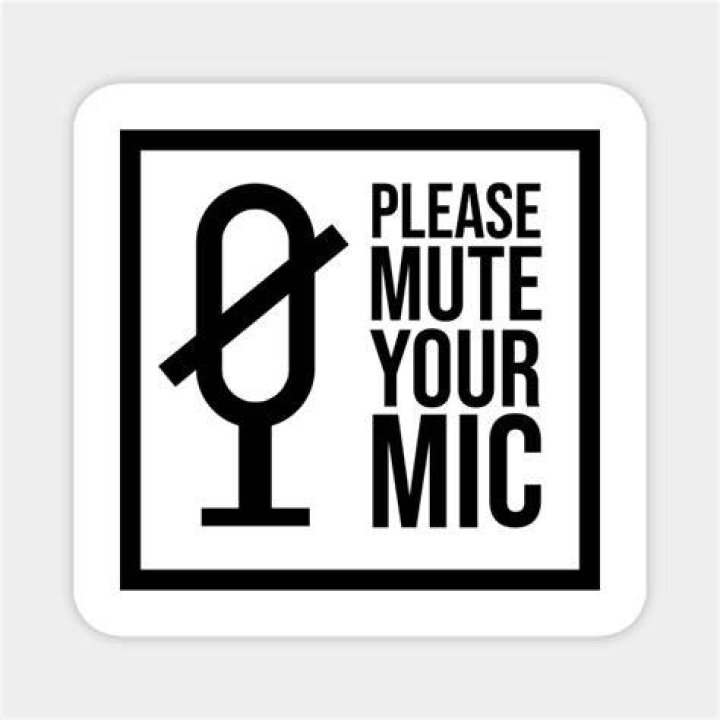
Like all successful internet phenomena, "mute your mic boa" quickly spawned variations and remixes. Creative users added the audio to their own meeting disaster footage. Musicians incorporated the phrase into songs. Graphic designers created merchandise featuring the quote alongside images of muted microphones.
TikTok users particularly embraced the sound bite, creating duets and reaction videos. Some people filmed themselves at the exact moment they wanted to scream the phrase during actual meetings. Others staged elaborate scenarios showing increasingly absurd background noises—from elephants trumpeting to entire marching bands—that might prompt someone to finally speak up.
The meme also sparked conversations about meeting etiquette. Tech publications wrote guides on proper video conference behavior. Companies revisited their remote work policies. Some organizations even adopted "mute your mic boa" as their unofficial meeting motto, posting reminders in Slack channels before large calls.
The Psychology Behind Meeting Disruptions
Understanding why audio problems cause such intense reactions requires looking at how our brains process interruptions. Unexpected sounds trigger our attention systems. We're evolutionarily wired to notice changes in our auditory environment because they might signal threats. When a dog barks through someone's microphone during a budget presentation, our brains momentarily shift focus from the spreadsheet to the potential "danger."
These micro-interruptions accumulate throughout a meeting. Each disruption forces participants to refocus, consuming mental energy. By the time someone finally says something—or in this case, shouts "mute your mic boa"—the frustration has been building incrementally through dozens of small distractions.
There's also a social component. Most people feel uncomfortable calling out others publicly, even in virtual settings. We wait, hoping the person will realize their mistake. We look at other participants' faces in their video squares, silently wondering if anyone else will speak up first. This collective hesitation means problems often persist longer than they should, amplifying everyone's irritation.
Practical Impact on Virtual Communication
The viral nature of this phrase has actually improved some aspects of virtual meetings. Organizations became more proactive about setting audio expectations. Meeting organizers started muting participants by default, especially in large gatherings. Platform developers enhanced their noise suppression features and made mute buttons more prominent.
Many companies now include audio etiquette in their remote work training. New employees learn basic practices: mute when not speaking, use headphones to prevent echo, test equipment before important meetings, and find quiet spaces for calls when possible. What once seemed obvious now gets explicit attention because everyone has witnessed or experienced meeting chaos.
The phrase also normalized addressing audio problems directly. Before, people might have suffered through an entire hour-long meeting with disruptive noise rather than risk seeming rude. Now, saying something (perhaps more politely than the original outburst) feels more acceptable. The meme gave permission to prioritize the group's experience over individual embarrassment.
Common Audio Issues in Virtual Meetings
Background noise represents just one category of audio problems plaguing video conferences. Echo and feedback loops occur when someone's speakers play meeting audio back into their microphone, creating that distinctive howling sound. This typically happens when people don't use headphones and their device picks up sound from its own speakers.
Keyboard typing and mouse clicking might seem innocent but can be surprisingly loud through computer microphones. What sounds like gentle tapping in person becomes aggressive hammering to other participants. Papers rustling, chairs creaking, and food wrapper crinkling all transmit clearly through sensitive microphones positioned inches from the noise source.
External environmental sounds pose different challenges. Traffic noise, construction, lawnmowers, leaf blowers, and sirens can overwhelm conversation. Household sounds like running water, kitchen appliances, televisions in other rooms, and HVAC systems create constant ambient noise that degrades audio quality for everyone.
Human voices from outside the meeting create particular confusion. When someone's family members talk nearby, other participants can't tell if that person is trying to speak in the meeting or if they're hearing separate conversations. Children and pets introduce unpredictability—their sounds arrive without warning and can be surprisingly loud.
Solutions Beyond Just Muting
While muting solves many problems, other strategies can improve virtual meeting audio quality. Investing in a dedicated microphone, even an inexpensive one, typically outperforms built-in laptop mics. These external devices often include better noise cancellation and directional pickup patterns that focus on your voice while ignoring ambient sound.
Noise-canceling headphones help you hear others clearly and prevent echo. They also signal to people around you that you're in a meeting, potentially reducing interruptions. Some professionals keep a dedicated "meeting headset" ready to grab for any unexpected calls.
Room selection matters significantly. Hard surfaces reflect sound, creating echo and amplifying noise. Soft furnishings like curtains, rugs, and upholstered furniture absorb sound waves. Closing doors and windows blocks external noise. Positioning yourself away from HVAC vents and appliances reduces background hum.
Software solutions have improved dramatically. Most major platforms now offer AI-powered noise suppression that can filter out background sounds in real-time. Krisp, RTX Voice, and similar tools use machine learning to distinguish between human speech and environmental noise, removing everything except your voice before it reaches other participants.
The Cultural Legacy
Phrases like "mute your mic boa" become part of our shared cultural vocabulary because they efficiently communicate complex situations. Just as "404 error" now describes anything missing and "ghosting" explains a specific social behavior, this phrase encapsulates the particular frustration of virtual meeting disruptions.
The staying power of such memes often surprises people. Years after going viral, the phrase still appears in comments on meeting-related content. People reference it when discussing workplace communication or remote work challenges. It has become shorthand for a specific type of modern annoyance that didn't exist before mass virtual communication.
Comedy shows and television programs have incorporated the phrase and the concept into sketches about pandemic-era work life. It appears alongside other remote work phenomena like "You're on mute" and "Can everyone see my screen?" in cultural commentary about how our professional lives transformed.
Frequently Asked Questions
Where did "mute your mic boa" originally come from?
The phrase originated from a viral video showing a woman in a video conference becoming frustrated with background noise from an unmuted participant. Her exasperated outburst, "Mute your mic, boa!" was captured and shared across social media platforms, where it resonated with millions of people who had experienced similar situations during virtual meetings. The authentic frustration combined with the casual tone made it instantly relatable and quotable.
What does "boa" mean in this context?
In this phrase, "boa" is a colloquial term of address, similar to "dude," "bro," or "friend." It's commonly used in certain regional dialects and adds a casual, familiar tone to what might otherwise sound like an aggressive command. The inclusion of "boa" actually softens the statement, making it feel more like frustrated advice from a colleague rather than a harsh reprimand, which partly explains why the phrase became beloved rather than controversial.
How can I avoid being the person who needs to mute their mic?
Start by muting yourself by default whenever you're not actively speaking, especially in large meetings. Use quality headphones or a headset to prevent echo and feedback. Find a quiet location for important calls, and warn household members when you'll be in meetings. Test your audio setup before joining calls to identify potential issues. Enable noise suppression features in your video conferencing software. Keep your mute button easily accessible so you can quickly silence your microphone if unexpected noise occurs, and develop the habit of checking whether you're muted throughout the meeting.
Final Thoughts
The phenomenon of "mute your mic boa" reveals something important about our digital age. We're navigating new forms of communication and etiquette in real-time, learning through shared frustrations and viral moments. This phrase endures because it perfectly captures a universal experience while delivering its message with just enough humor to take the edge off genuine annoyance. Whether you've been the frustrated person wanting to shout it, the embarrassed individual who needed to hear it, or simply an amused observer, the phrase connects us through the messy, imperfect reality of virtual communication. As remote and hybrid work continues shaping how we collaborate, "mute your mic boa" stands as a permanent reminder of the adjustment period we all lived through—and a surprisingly effective piece of advice that remains relevant every single day.