Do Re Mi Fa So La Ti Do Filter: What It Is and How to Use It
 James Williams
Social media filters come and go, but few have captured the collective imagination quite like the do re mi fa so la ti do filter. This musical phenomenon has swept across platforms like TikTok and Instagram, turning ordinary videos into harmonious performances that anyone can create. What started as a simple audio trend has evolved into a cultural moment, with users worldwide discovering new ways to express themselves through this interactive feature.
The filter's appeal lies in its simplicity and universal recognition. Almost everyone learned the basic musical scale in childhood, making it instantly familiar yet surprisingly fresh when applied to modern content creation. But there's more to this trend than nostalgia. Understanding how it works and why it resonates can help creators tap into its viral potential while audiences gain insight into what makes certain content spread like wildfire.
Understanding the Do Re Mi Filter Phenomenon
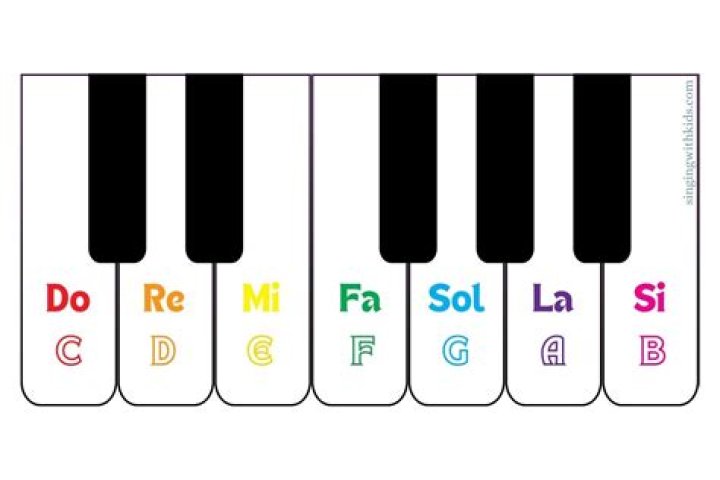
The do re mi fa so la ti do filter represents a specific type of audio-reactive or interactive effect that responds to the famous solfège scale. When users apply this filter, their videos synchronize with the eight-note musical sequence, often triggering visual changes, transitions, or effects that correspond to each note. The concept draws from "The Sound of Music" song that popularized these syllables, though the digital interpretation takes countless creative forms.
Different platforms implement this concept differently. Some versions change facial features or backgrounds with each note. Others transform the entire scene or add overlays that shift in rhythm with the scale. The filter has spawned dozens of variations, each putting a unique spin on the musical foundation while maintaining that core recognizable pattern.
What makes this particular filter stand out is its participatory nature. Users aren't just passive viewers—they become performers. Whether singing along, timing movements to each note, or simply letting the filter work its magic, there's an element of interaction that keeps people engaged. This active participation partly explains why videos using this filter generate significantly higher engagement rates than static content.
How the Filter Works Across Platforms
TikTok hosts the most popular versions of the do re mi fa so la ti do filter. Creators access it through the effects library, searching for variations by name. Once applied, the filter typically activates when the audio plays, synchronizing visual effects to match each of the eight notes. Some versions require users to tap or gesture at specific moments, while others run automatically.
Instagram Reels offers similar functionality through its own effect filters. The platform's version often emphasizes facial transformations or beauty effects that change progressively through the scale. Meta's algorithm tends to favor these musical filters in its recommendation system, giving them extended reach beyond immediate followers.
YouTube Shorts entered the trend later but provides creators with more editing flexibility. Users can combine the do re mi audio with custom effects, layering multiple elements to create more complex interpretations. This platform sees more elaborate productions, with some creators spending hours perfecting their timing and transitions.
Why This Trend Captured Global Attention
Several factors converged to make the do re mi fa so la ti do filter a worldwide sensation. First, its musical foundation transcends language barriers. Someone in Tokyo can appreciate the same content as someone in São Paulo because the scale remains universally recognizable. This cross-cultural appeal amplified its spread across different regions and demographics.
Timing played a role too. The trend emerged when users were seeking lighter, more playful content after extended periods of serious news cycles. The filter offered an escape—something fun and creative without requiring professional skills or expensive equipment. Anyone with a smartphone could participate, democratizing content creation in a way that resonated with platform algorithms designed to promote accessibility.
The nostalgia factor cannot be ignored. Many users remembered singing this scale in music class or watching "The Sound of Music" as children. That emotional connection made the filter feel both new and comfortingly familiar. Brands quickly recognized this dual appeal, with several incorporating the trend into marketing campaigns to reach younger audiences while maintaining broader generational appeal.
Creative Applications and Variations
Innovative creators have pushed the do re mi filter far beyond its original conception. Some use it for outfit reveals, changing their entire look with each note. Others create mini-narratives, telling eight-part stories that unfold across the scale. Pet owners have gotten in on the action, training animals to perform tricks synchronized to each syllable.
Educational content found an unexpected home within this trend. Music teachers use the filter to demonstrate pitch and scale concepts. Language instructors adapted it to teach vocabulary, assigning different words to each note. Even fitness influencers incorporated it into quick workout routines, assigning different exercises to each musical step.
The filter's structure lends itself to before-and-after content, but with multiple stages. Makeup artists show transformation processes in eight quick steps. Home improvement accounts display renovation progress. Food creators break down recipes into eight visual stages, making complex dishes feel manageable and entertaining.
Technical Aspects and Creation Tips
Creating successful content with the do re mi fa so la ti do filter requires understanding its technical limitations and possibilities. Most versions run between 8-15 seconds, demanding precise timing. Successful creators plan their content around these constraints rather than fighting against them.
Lighting significantly impacts how filters appear on camera. Natural light typically works best, though ring lights provide consistency for indoor shoots. The filter's visual effects often include color shifts or overlays that can clash with certain backgrounds, so testing different settings improves final results.
Audio quality matters more than many realize. While the filter provides the musical scale, background noise or poor recording conditions can diminish the overall impact. Using external microphones or recording in quieter environments elevates production value without requiring professional equipment.
The Psychology Behind Viral Filter Trends
Social psychologists studying digital behavior have identified several elements that make filters like do re mi spread rapidly. The "challenge" aspect creates social proof—when users see others participating, they feel motivated to join. This FOMO (fear of missing out) effect drives adoption rates higher than standard content formats.
The filter also provides what researchers call "low-barrier creativity." It offers a framework that guides creation while still allowing personal expression. This balance appeals to both novice creators intimidated by blank-slate content and experienced users looking for quick, engaging posts between larger projects.
Dopamine loops play a role too. The eight-note structure creates anticipation—viewers want to see what happens at each stage, keeping them engaged until the end. This completion impulse increases watch time, a metric platforms reward with greater visibility. The cycle reinforces itself as more views attract more creators, expanding the trend's reach.
Impact on Music Education and Appreciation
An unexpected outcome of the do re mi filter's popularity has been renewed interest in basic music theory. Music educators report students asking more questions about scales, pitch, and harmony after encountering these filters. Some schools have incorporated the trend into lesson plans, using its popularity as a gateway to deeper musical concepts.
The filter has also introduced younger audiences to solfège, a teaching method with centuries of history. While many users don't realize the educational foundation behind the syllables, the exposure plants seeds that music teachers can cultivate. Several educational apps have reported increased downloads after the trend peaked, suggesting genuine curiosity beyond viral participation.
Professional musicians have mixed reactions. Some appreciate the mainstream attention to musical concepts, while others worry the simplified presentation might trivialize complex artistry. Most agree, however, that any trend encouraging musical engagement offers more benefits than drawbacks, especially for introducing fundamentals to broader audiences.
Brand Integration and Marketing Uses
Marketers quickly recognized the do re mi fa so la ti do filter's commercial potential. Fashion brands used it to showcase eight different products in rapid succession. Beauty companies demonstrated product lines with each note representing a different item. The format's built-in structure made it ideal for catalog-style presentations that didn't feel like traditional advertising.
Restaurant chains adapted the trend to highlight menu items, assigning each note to a different dish. Some ran contests encouraging customers to create their own versions featuring brand products, generating user-created content while building community engagement. These campaigns typically outperformed standard promotional posts in both reach and interaction rates.
The entertainment industry leveraged the filter for movie and TV show promotions. Studios released character introductions using the eight-note format, or revealed plot points across the scale. This approach generated anticipation while providing shareable content that fans could recreate, extending marketing reach organically.
Frequently Asked Questions
Where can I find the original do re mi fa so la ti do filter?
The filter exists in multiple versions across TikTok, Instagram, and other platforms. Search for "do re mi filter" in your platform's effects library. Multiple creators have published their own versions, so you'll find various interpretations. The most popular versions typically appear at the top of search results and often include "do re mi" or "solfège" in their names. Some versions are region-specific due to licensing, so availability may vary based on your location.
Do I need musical ability to use this filter effectively?
No musical training is required. The filter handles the audio and timing automatically in most versions. You simply need to move, gesture, or change your expression as the notes play. Some creators sing along, but this isn't necessary for the effect to work. The filter's appeal lies partly in its accessibility—anyone can create engaging content regardless of musical background or ability.
Why do some videos using this filter go viral while others don't?
Success depends on multiple factors beyond just using the filter. Timing matters—posting when your audience is most active increases initial engagement, which platforms reward with broader distribution. Creative execution distinguishes standout content from generic attempts. Videos that add unique twists, tell stories, or showcase genuine personality tend to perform better than those simply following the basic format. Strong lighting, clear audio, and attention to composition also separate viral hits from average posts.
Future of Musical Filter Trends
The do re mi fa so la ti do filter represents a broader shift toward interactive, audio-reactive content. As augmented reality technology advances, these types of filters will become more sophisticated, offering enhanced personalization and responsiveness. Developers are already experimenting with filters that adapt to individual voices, creating truly unique experiences rather than one-size-fits-all effects.
Industry analysts predict musical filters will continue evolving, potentially incorporating full songs rather than simple scales. Some experimental versions already respond to complex melodies or allow users to remix audio while visual effects adapt in real-time. These developments could blur the line between social media content and music production, giving everyday users access to tools once reserved for professionals.
The trend's longevity remains uncertain, as social media cycles move quickly. However, the fundamental appeal of combining music with visual creativity suggests variations will persist even if this specific format fades. Each iteration teaches platforms more about what engages users, informing the development of future features that build on successful elements while innovating in new directions.
Final Thoughts
The do re mi fa so la ti do filter captured attention by combining familiarity with novelty, structure with creativity, and simplicity with viral potential. Its success demonstrates how digital trends can take timeless concepts—in this case, a basic musical scale—and reimagine them for modern audiences. Whether you're a content creator looking to boost engagement, a marketer seeking authentic connections, or simply someone curious about why certain things trend, understanding this phenomenon offers valuable insights into how social media culture evolves and what makes content resonate across diverse audiences. The filter may eventually fade from prominence, but the principles behind its success will continue shaping digital creativity for years to come.