Charlie Kirk Meme TikTok: Why Conservatives Are Going Viral
 Mia Kelly
Charlie Kirk, the conservative activist and founder of Turning Point USA, has become an unlikely TikTok phenomenon. His face appears in thousands of memes across the platform, often edited in absurd and humorous ways that have nothing to do with his political views. The irony? TikTok's predominantly young, left-leaning user base has transformed Kirk into one of the most recognizable conservative figures in internet culture, though rarely in the way he might have intended.
The Charlie Kirk meme phenomenon on TikTok represents a fascinating intersection of political satire, internet humor, and the unpredictable nature of viral content. What started as mockery has evolved into something more complex—a cultural touchstone that transcends traditional political boundaries. Understanding why Kirk's face became meme material requires looking at both the anatomy of internet humor and the changing landscape of political engagement among younger generations.
The Origin of Charlie Kirk Memes
Kirk's journey to meme stardom didn't happen overnight. The conservative commentator first gained attention through Turning Point USA, an organization he founded in 2012 aimed at promoting conservative values on college campuses. His frequent media appearances and outspoken political stances made him a recognizable figure, but it was a specific physical characteristic that launched him into meme territory.
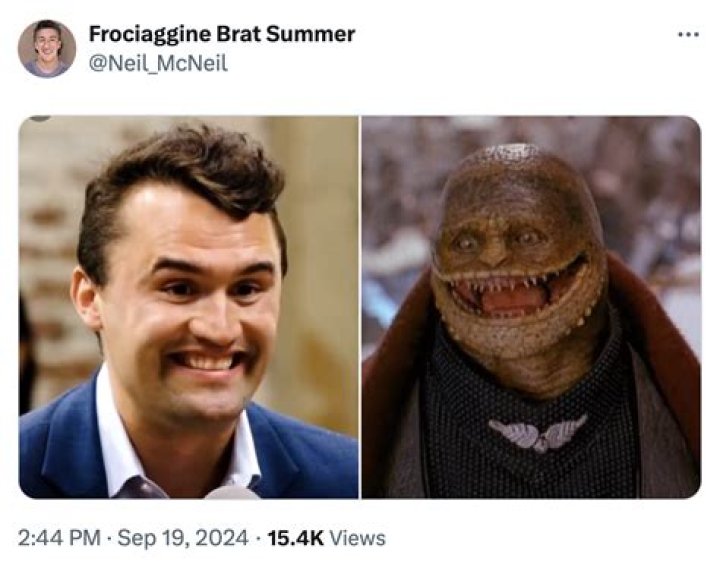
Internet users began creating edited images shrinking Kirk's face on his head, creating an intentionally absurd visual effect. This simple edit became the foundation for countless variations. The joke wasn't necessarily about his politics—it was about the surreal humor of facial distortion. That's what made it spread beyond political circles.
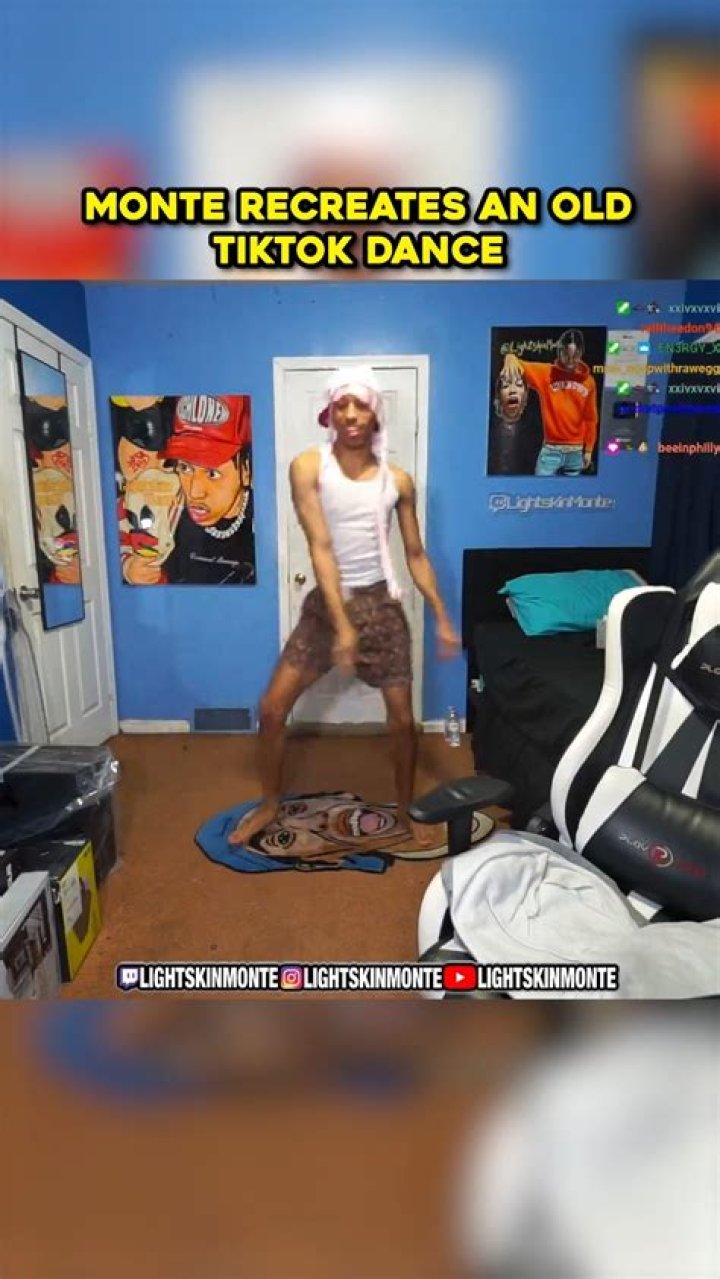
TikTok amplified this trend exponentially. Creators discovered that Kirk's face could be manipulated in videos, not just static images. Short-form video opened new possibilities. Dance trends, reaction videos, and comedic sketches all incorporated the Kirk meme in unexpected ways.
Why TikTok Embraced the Meme
Several factors contributed to the Charlie Kirk meme's explosive popularity on TikTok specifically. The platform's algorithm favors content that generates engagement, regardless of political affiliation. Humorous edits of Kirk's face consistently drove comments, shares, and duets—the holy trinity of TikTok success.
TikTok's demographic skews young, with the majority of users between 18 and 34 years old. This generation consumes political content differently than their predecessors. They don't just debate policy—they remix, ridicule, and recontextualize political figures through humor. Kirk became a canvas for this new form of political expression.
The meme also thrived because it required no context. You didn't need to know Kirk's positions on healthcare or immigration to find a distorted face funny. This accessibility allowed the meme to travel beyond politically engaged circles into mainstream entertainment.
Types of Charlie Kirk TikTok Content
The Charlie Kirk meme ecosystem on TikTok has developed several distinct categories:
- Face-shrinking edits paired with trending audio clips, creating surreal juxtapositions between serious political rhetoric and absurdist visuals
- Reaction videos where creators use Kirk's image to respond to various scenarios, often political but sometimes completely unrelated
- Educational content where progressive creators use Kirk's recognizability to attract viewers to videos explaining political concepts or debunking misinformation
- Duet chains where multiple users layer their own commentary or edits onto existing Kirk meme videos, creating collaborative comedy
- Satirical impersonations where creators mimic Kirk's speaking style or debate tactics, often exaggerating for comedic effect
The Political Implications
What does it mean when a conservative figure becomes a meme sensation on a platform dominated by progressive users? The answer is more nuanced than simple mockery.
Some argue the memes trivialize serious political discourse. By reducing Kirk to a visual joke, critics say TikTok users avoid engaging with his actual arguments. This concern reflects broader anxieties about how social media shapes political understanding among young people.
Others see the memes as a form of counter-messaging. Kirk and Turning Point USA invest heavily in campus outreach and social media presence. The memes represent grassroots pushback—a way for users to signal disagreement without writing lengthy rebuttals. In this view, humor becomes a tool of political resistance.
Kirk himself has shown awareness of his meme status, occasionally referencing it in his own content. This self-awareness complicates the narrative. Is he being mocked, or has he successfully inserted himself into youth culture conversations? Perhaps both are true simultaneously.
The Broader Meme Economy
Charlie Kirk isn't the first political figure to become a meme, and he won't be the last. TikTok has transformed numerous politicians, activists, and public figures into meme material. What makes Kirk's case interesting is the sustained nature of the trend and its evolution over time.
The meme has staying power because it's adaptable. New creators continually find fresh angles. One week might feature Kirk's face edited into Renaissance paintings. The next might see him inserted into video game footage. This constant reinvention prevents the meme from going stale.
Brands and political campaigns have taken notice. The virality of seemingly organic content like the Kirk memes demonstrates the power of TikTok to shape public perception. Some strategists now actively try to harness meme culture, though these efforts often backfire when they feel inauthentic.
Impact on Political Engagement
Does turning political figures into memes increase or decrease civic engagement? Research suggests the answer is complicated.
On one hand, memes can serve as entry points to political awareness. A user might discover Kirk through a funny video, then investigate who he is and what he stands for. The humor creates a low-pressure introduction to political content that might otherwise feel intimidating or boring.
Conversely, meme culture can flatten complex issues into punchlines. When Kirk becomes primarily known for his distorted face rather than his policy positions, substantive debate suffers. Young people might feel informed about politics because they recognize meme figures without actually understanding the issues at stake.
TikTok's format encourages rapid consumption. Users scroll through dozens of videos in minutes. This creates familiarity with faces and catchphrases but doesn't necessarily promote deep thinking. The Charlie Kirk meme exemplifies both the benefits and limitations of political content on the platform.
Frequently Asked Questions
Why did Charlie Kirk become a meme on TikTok?
Charlie Kirk became a TikTok meme primarily through edited images that shrank his facial features on his head, creating an absurd visual effect. This simple edit resonated with TikTok's humor-driven culture and spread rapidly. His prominence as a conservative activist made him a recognizable figure, while the apolitical nature of the facial distortion allowed the meme to appeal beyond political circles. TikTok's algorithm and format amplified the trend, as creators found countless ways to remix and adapt the basic concept.
How does Charlie Kirk respond to being a meme?
Kirk has demonstrated awareness of his meme status and occasionally references it in his content and public appearances. Rather than fighting against the memes, he's generally acknowledged them with a mix of humor and self-awareness. This approach is strategic—attempting to suppress internet humor typically backfires and generates more mockery. By acknowledging the memes without letting them define his entire public image, Kirk maintains focus on his political messaging while accepting his place in internet culture.
What does the Charlie Kirk meme say about political discourse online?
The Charlie Kirk meme phenomenon illustrates how younger generations engage with politics through humor and remix culture rather than traditional debate. It demonstrates that political figures can become cultural objects divorced from their actual positions and arguments. This raises questions about whether meme culture enhances or diminishes political understanding. The memes show that visibility in youth culture doesn't necessarily translate to agreement or support—a person can be widely recognized yet widely ridiculed. This represents a shift in how political influence operates in digital spaces.
The Future of Political Memes
As TikTok continues evolving, so too will the ways political figures are memefied. The Charlie Kirk phenomenon offers lessons for anyone trying to understand modern political communication.
Authenticity matters more than ever. Users can instantly detect when content feels manufactured or try-hard. The most successful political content on TikTok often comes from genuine expression, whether that's earnest advocacy or sharp satire. Kirk's meme status emerged organically from users, not from a campaign strategy.
Visual communication dominates. In a platform built on video, how someone looks matters as much as what they say. This isn't necessarily shallow—humans have always responded to visual rhetoric. TikTok simply makes this dynamic more explicit and immediate.
The line between mockery and recognition continues blurring. Being a meme isn't purely negative. It represents cultural relevance, even if that relevance comes through humor. For political figures and organizations, navigating this landscape requires new skills and sensibilities.
Final Thoughts
The Charlie Kirk meme on TikTok is more than just internet humor. It's a case study in how political communication works in an era of short-form video, algorithmic content distribution, and generation gaps in media consumption. Kirk's face has become a cultural shorthand, recognized by millions who might never watch one of his speeches or attend a Turning Point USA event.
Whether this represents progress or decline in political discourse depends on your perspective. What's undeniable is that platforms like TikTok have fundamentally changed how public figures exist in the cultural imagination. The memes will continue evolving, adapting to new trends and finding new angles. And somewhere in that chaotic, creative process, young people are forming opinions about politics, society, and the figures who seek to influence them—just not in the ways those figures might have planned.