Great Wall of ABGs TikTok: The Viral Trend Taking Over Social Media
 Michael Henderson
 A peculiar phrase has been echoing through TikTok's algorithm lately, captivating millions of users and sparking both laughter and debate. The "Great Wall of ABGs" has become one of those internet moments that seems to appear overnight, leaving people outside the loop scrambling to understand what everyone's talking about. Like many viral trends, this one blends cultural observation, humor, and a dash of controversy into a package that's impossible to scroll past.
The phenomenon centers around a specific aesthetic and social dynamic that's become instantly recognizable to anyone who's spent time on certain corners of the internet. Videos tagged with this trend have accumulated hundreds of millions of views, with creators from different backgrounds offering their takes, reactions, and interpretations. But what exactly does it mean, and why has it struck such a chord with Gen Z and millennial audiences?
Understanding the ABG Aesthetic
Before diving into the Great Wall aspect, you need to understand what "ABG" means in internet slang. The acronym stands for "Asian Baby Girl," a term that describes a particular style and persona that gained prominence in the 2010s. This aesthetic typically includes winged eyeliner, dyed hair (often with highlights or balayage), streetwear mixed with feminine pieces, and a confident, outgoing personality.
The ABG look draws heavily from club culture and street fashion, incorporating brands like Fashion Nova, Pretty Little Thing, and various streetwear labels. Think crop tops, high-waisted pants, chunky sneakers or heeled boots, and statement accessories. The makeup is usually bold, featuring dramatic eye looks and nude or glossy lips. Hair is often styled in loose waves or straightened, frequently featuring lighter tones or color treatments.
Beyond just appearance, the ABG identity includes cultural elements like boba tea appreciation, Asian fusion food, and a connection to nightlife and social scenes. It's become a recognizable subculture, particularly in areas with significant Asian American populations like California, Texas, and major metropolitan areas.
What Is the Great Wall of ABGs TikTok Trend?
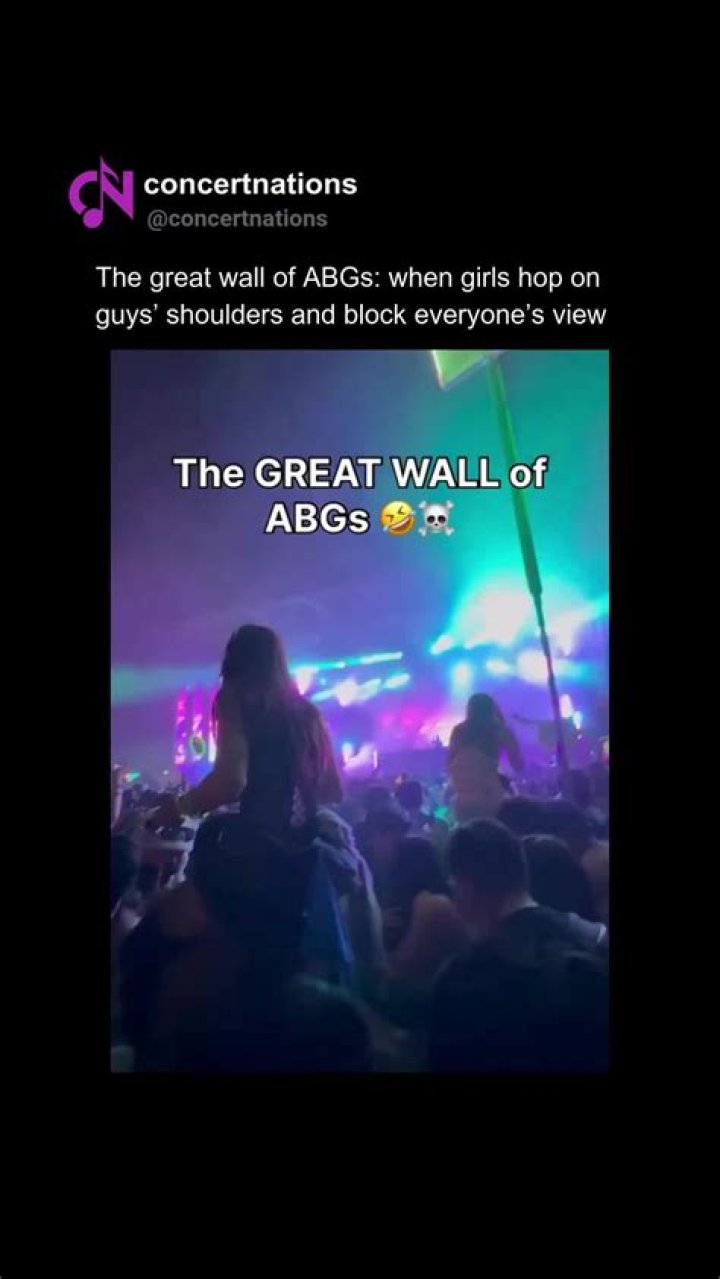
The Great Wall of ABGs TikTok trend refers to videos showing groups of Asian women with the ABG aesthetic, often standing or posing together in formation. The name plays on the historic Great Wall of China, creating a humorous parallel between the ancient monument and a line or group of people sharing similar style choices.
These videos typically appear in several contexts. Some show groups at music festivals, clubs, or parties. Others capture moments at boba shops, Asian restaurants, or popular hangout spots. The unifying element is the visual impact of seeing multiple people embodying the same distinctive aesthetic simultaneously. Creators use sound clips, trending audio, or original commentary to frame these moments.
The trend gained massive traction when users started creating "point of view" content imagining scenarios involving encountering such groups. Some videos are celebratory, treating the aesthetic as aspirational or community-affirming. Others lean into stereotypes or gently mock the uniformity of the style. The reactions range from admiration to satire, creating a complex conversation about identity, fashion, and cultural expression.
Why This Trend Went Viral
Several factors contributed to the explosive popularity of the Great Wall of ABGs on TikTok. The visual nature of the content makes it instantly shareable. There's an undeniable aesthetic appeal to seeing coordinated groups, whether you're part of the culture or observing from outside.
The trend also taps into broader conversations about Asian American identity and representation. For some, it's a way of celebrating and owning a specific cultural expression. For others, it raises questions about stereotyping and the pressure to conform to particular aesthetics within ethnic communities.
Relatability plays a huge role too. People who recognize themselves or their friends in these videos feel seen, while those who've observed the aesthetic from outside finally have a name for something they've noticed. This dual appeal allows the trend to spread across different audience segments, each bringing their own perspective.
Cultural Context and Criticism
Like most viral trends involving ethnic or cultural identity, the Great Wall of ABGs hasn't been without controversy. Critics argue that the trend reduces complex individuals to a stereotype, suggesting that all Asian women who dress a certain way are interchangeable. This concern echoes larger issues about representation and the tendency to view minority groups through narrow lenses.
Others point out that the ABG aesthetic itself has evolved beyond simple stereotyping into a legitimate subculture with its own internal diversity. Not everyone who identifies with or participates in ABG culture fits every stereotype, and the community includes people of various Asian ethnicities, mixed-race individuals, and even non-Asian people who appreciate the aesthetic.
Some Asian creators have embraced the trend as reclaiming a narrative, using humor to address stereotypes on their own terms. They argue that owning these observations and making them part of the conversation removes power from those who might use them negatively. Self-awareness, they suggest, can be a form of empowerment.
The debate touches on questions that extend beyond TikTok. How do subcultures form around ethnic identity? When does celebrating shared characteristics become limiting? Can humor about one's own community be both affirming and problematic? These aren't simple questions, and the Great Wall of ABGs trend has become an unexpected venue for exploring them.
The Role of Social Media in Aesthetic Tribes
TikTok has become a powerful engine for identifying and amplifying aesthetic groups. The platform's algorithm excels at connecting people with similar interests and styles, creating visible communities around everything from "cottagecore" to "dark academia" to the ABG aesthetic. This visibility can be validating but also creates pressure to perform identity in specific ways.
The Great Wall of ABGs exemplifies how social media transforms personal style choices into public statements. When you know that your appearance might be captured, categorized, and circulated, fashion becomes more than individual expression. It becomes participation in a larger cultural conversation, whether you intend it or not.
This dynamic affects how young people think about identity formation. Previous generations might have developed personal style within smaller social circles. Today's youth navigate their aesthetic choices knowing they could become content, comments, or memes. The Great Wall of ABGs trend sits at the intersection of these pressures, documenting a moment when individual choices become collective phenomenon.
Impact on Fashion and Beauty Industries
The visibility of the ABG aesthetic through trends like the Great Wall has influenced marketing and product development. Beauty brands have taken notice of the specific makeup preferences, leading to more products designed for the dramatic eye looks and complexion needs of Asian consumers. Fashion retailers stock items that align with the aesthetic, recognizing a lucrative demographic.
Influencers and content creators who embody the ABG style have built significant followings, translating their aesthetic into business opportunities. Brand partnerships, sponsored content, and even product lines have emerged from this space. The trend on TikTok serves as free market research, showing companies exactly what resonates with this audience.
Hair salons and beauty services in areas with large Asian American populations have also adapted, offering specialized treatments for the highlighted, layered looks that define the aesthetic. The economic impact extends beyond major brands to local businesses that cater to community preferences.
Frequently Asked Questions
Is the Great Wall of ABGs trend offensive?
The answer depends largely on context and intent. Some Asian creators use the trend to celebrate their community and share relatable content with humor and affection. Others feel it reduces people to stereotypes. The trend itself is neutral—a observation about a visible aesthetic pattern—but individual videos can range from respectful to mocking. How you interpret it often depends on your relationship to the culture being depicted and the specific framing of each video.
Do you have to be Asian to participate in ABG culture?
The ABG aesthetic originated within Asian American communities, particularly among East and Southeast Asian women. However, fashion and style inevitably cross cultural boundaries. Some non-Asian people adopt elements of the aesthetic, which can be seen as appreciation or appropriation depending on how it's done. The key distinction usually involves respect, understanding the cultural context, and not claiming an identity that isn't yours. Fashion inspiration is different from cultural cosplay.
How long will this TikTok trend last?
Like most viral trends, the specific "Great Wall of ABGs" framing will likely fade as new trends emerge. However, the underlying ABG aesthetic has shown staying power since the mid-2010s, evolving rather than disappearing. The trend might resurface periodically or transform into new iterations as TikTok's culture shifts. The aesthetic itself seems more durable than any single trend about it, suggesting that while this particular viral moment will pass, the cultural elements it highlights will continue.
Final Thoughts
The Great Wall of ABGs TikTok trend offers a fascinating glimpse into how internet culture processes identity, aesthetics, and community. What started as observations about a particular style has snowballed into millions of views and countless conversations about representation, stereotyping, and cultural expression. The trend succeeds because it's visually striking, culturally specific enough to feel authentic, and broad enough that many people can relate or react to it.
Whether you see it as celebration, commentary, or something in between probably depends on your own experiences and perspective. That ambiguity might actually be the trend's strength. It creates space for multiple interpretations and allows different communities to engage with the same content in different ways. As TikTok continues shaping how we see and discuss culture, trends like this remind us that social media isn't just reflecting society—it's actively participating in how we understand identity and community in the digital age.