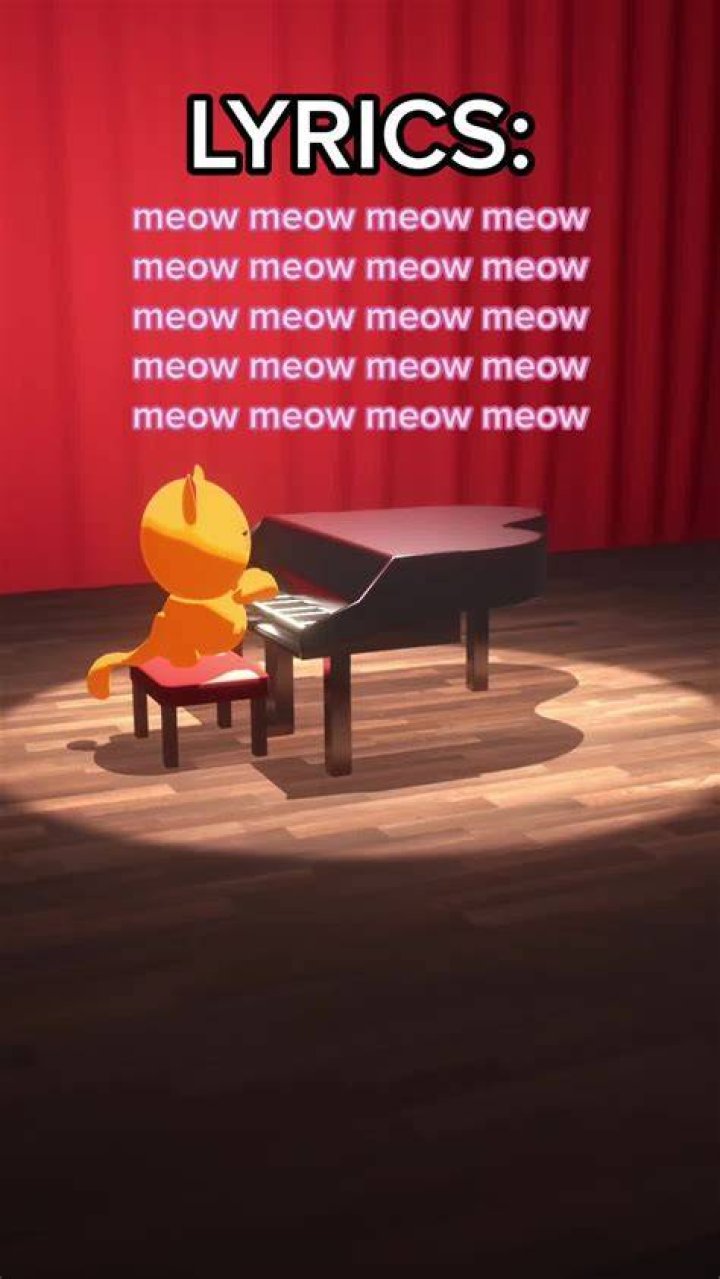
Meow Meow Song TikTok: The Viral Cat Anthem Taking Over Social Media
 William Smith
A peculiar melody has taken TikTok by storm, and it sounds exactly like what you'd expect: cats meowing. The meow meow song has become one of the platform's most recognizable sounds, spawning millions of videos featuring pets, dance challenges, and creative interpretations that range from hilarious to surprisingly artistic. If you've scrolled through TikTok recently, chances are you've encountered this infectious tune.
What started as a simple novelty track has evolved into a cultural moment. The song's repetitive yet hypnotic nature makes it perfect for short-form content, while its universal appeal transcends language barriers. Cat lovers and casual users alike have embraced the trend, creating content that showcases everything from their pets' reactions to elaborate cosplay performances.
What Is the Meow Meow Song on TikTok?
The meow meow song refers to several cat-themed tracks that have gone viral on TikTok, with the most popular versions featuring synthesized or actual cat meows set to rhythmic beats. The most widely recognized version includes a simple, catchy melody where "meow" serves as the primary lyric, repeated in various pitches and patterns. Some versions incorporate electronic dance music elements, while others lean into a more playful, children's song aesthetic.
The song's structure is deceptively simple. Short verses built entirely around cat sounds create an earworm effect that keeps users returning to create their own versions. This accessibility has made it a favorite for content creators who want to participate in trending challenges without needing complex choreography or elaborate setups.
Origins and Rise to Viral Fame
Tracking the exact origin of the meow meow song proves challenging, as multiple versions emerged simultaneously across different regions. One prominent version gained traction in late 2023, quickly accumulating hundreds of millions of views. The sound's creator remains somewhat anonymous, which is common for viral TikTok audio clips that get remixed and reused countless times.
The song's viral trajectory followed a familiar pattern. Early adopters included pet owners who filmed their cats' reactions to the meowing sounds. These videos performed exceptionally well, prompting the TikTok algorithm to push the sound to broader audiences. Within weeks, the meow meow song had expanded beyond pet content into dance challenges, comedy skits, and even educational content about feline behavior.
Regional variations emerged as the trend spread globally. Asian markets, particularly in Japan and South Korea, embraced the song with anime-style animations and kawaii culture references. European users incorporated the sound into meme formats, while North American creators focused on pet reaction videos and parody content.
Why the Meow Meow Song Became So Popular
Several factors contributed to the song's massive success on TikTok. The platform's algorithm favors content that generates high engagement quickly, and videos featuring cute animals consistently perform well. The meow meow song hit a sweet spot by combining auditory novelty with visual appeal.
The sound's simplicity works in its favor. Unlike complex trending songs that require users to learn specific lyrics or dance moves, the meow meow song allows for immediate participation. Anyone with a cat—or even without one—can create content around it. This low barrier to entry democratizes the trend, inviting participation from users who might otherwise avoid more demanding challenges.
Psychological factors play a role too. Research suggests that high-pitched sounds, like cat meows, trigger nurturing responses in humans. The song taps into this instinct, creating an emotional connection that encourages sharing and engagement. When combined with actual footage of cats, the effect amplifies, generating the kind of feel-good content that spreads rapidly across social networks.
Popular Ways Creators Use the Meow Meow Song
Content creators have found remarkably diverse applications for the meow meow song. Pet reaction videos remain the most common format, with owners playing the sound and filming their cats' confused or interested responses. Some cats ignore it completely, while others actively search for the source of the meowing, creating genuinely entertaining moments.
Dance challenges represent another major category. Choreographers have developed routines incorporating cat-like movements—paw gestures, stretching motions, and playful poses. These dances range from simple enough for anyone to attempt to complex performances that showcase serious dancing skills.
Comedy sketches use the song as a backdrop for situational humor. Creators have filmed themselves "translating" their cats' meows, staged elaborate scenarios where humans act like cats, or created surreal comedy that uses the song's absurdist quality as a punchline. The versatility of the audio enables creativity across genres.
Educational content has also emerged. Veterinarians and animal behaviorists use the trending sound to attract viewers to videos about cat communication, health tips, and training advice. By leveraging the viral audio, they reach audiences who might not typically seek out educational pet content.
Cultural Impact Beyond TikTok
The meow meow song's influence extends beyond TikTok's borders. The sound has migrated to Instagram Reels, YouTube Shorts, and even Facebook, though TikTok remains its primary home. Streaming platforms report increased searches for cat-themed music and novelty songs, suggesting the trend has sparked broader interest in animal sounds as entertainment.
Meme culture has embraced the phenomenon. Image macros featuring cats with captions referencing the song circulate on Reddit and Twitter. Musicians have created remixes and extended versions, some of which have gained followings independent of the original TikTok trend.
The commercial world has taken notice. Pet food brands and cat-related products have incorporated the song into marketing campaigns, recognizing its power to capture attention and generate engagement. Some local animal shelters have used the trend to promote cat adoptions, pairing the catchy tune with videos of adoptable felines.
The Science Behind Viral Cat Content
Researchers studying internet culture have long noted that cat content performs exceptionally well online. The meow meow song represents an evolution of this phenomenon, combining auditory and visual elements in a format optimized for mobile viewing.
Neuroscience offers insights into why these videos prove so compelling. The human brain responds positively to animal faces, particularly those with features that resemble human babies—large eyes, small noses, and round faces. Cats possess many of these characteristics. When paired with cute sounds, the effect intensifies, triggering dopamine releases that encourage repeated viewing and sharing.
The song's repetitive structure also plays a psychological role. Music psychologists note that simple, repetitive melodies create earworms more effectively than complex compositions. The meow meow song's limited variation means it lodges in listeners' memories quickly, increasing the likelihood they'll seek it out again or create their own content using the sound.
Frequently Asked Questions
Where can I find the original meow meow song on TikTok?
The meow meow song exists in several versions on TikTok, and identifying the absolute "original" is difficult due to how viral sounds evolve on the platform. To find the most popular versions, search "meow meow song" in TikTok's sound library or look for videos with millions of views using cat meow audio. The platform's search function will show you which versions are currently trending, and you can add any of them to your own videos directly from the sound page.
Do cats actually like the meow meow song?
Cat reactions vary significantly. Some cats show clear interest when they hear the meow meow song, perking their ears and searching for the source of the sound. Others appear completely indifferent or even annoyed. Animal behaviorists explain that cats may respond to the high-pitched frequencies or recognize the sounds as potential communication from other cats. However, individual personality, prior experiences, and current mood all influence whether a particular cat will react. If you're playing the song for your pet, watch for signs of stress and stop if your cat seems uncomfortable.
Can I use the meow meow song in my own TikTok videos?
Yes, you can freely use the meow meow song in your TikTok content. The platform's structure allows users to incorporate any publicly available sound into their videos. Simply find a video using the sound you want, tap the rotating record icon at the bottom of the screen, and select "Use this sound." This takes you to the creation page where you can record or upload your own video. Since the sound has already gone viral, using it may help your content reach larger audiences through TikTok's algorithm, though success ultimately depends on your video's quality and timing.
Final Thoughts
The meow meow song on TikTok represents more than just a passing fad. It demonstrates how simple, universally appealing content can unite millions of users across cultural and linguistic boundaries. Whether you find it delightful or annoying, there's no denying its impact on social media culture. As trends continue to evolve at breakneck speed, the meow meow song stands as a reminder that sometimes the most unexpected sounds capture our collective imagination. Cat owners have found new ways to showcase their pets, creators have discovered fresh content opportunities, and millions of users have shared a moment of lighthearted fun in an increasingly complex digital world.