The Yellow Dude With Hands Up: Origins of an Internet Icon
 David Craig
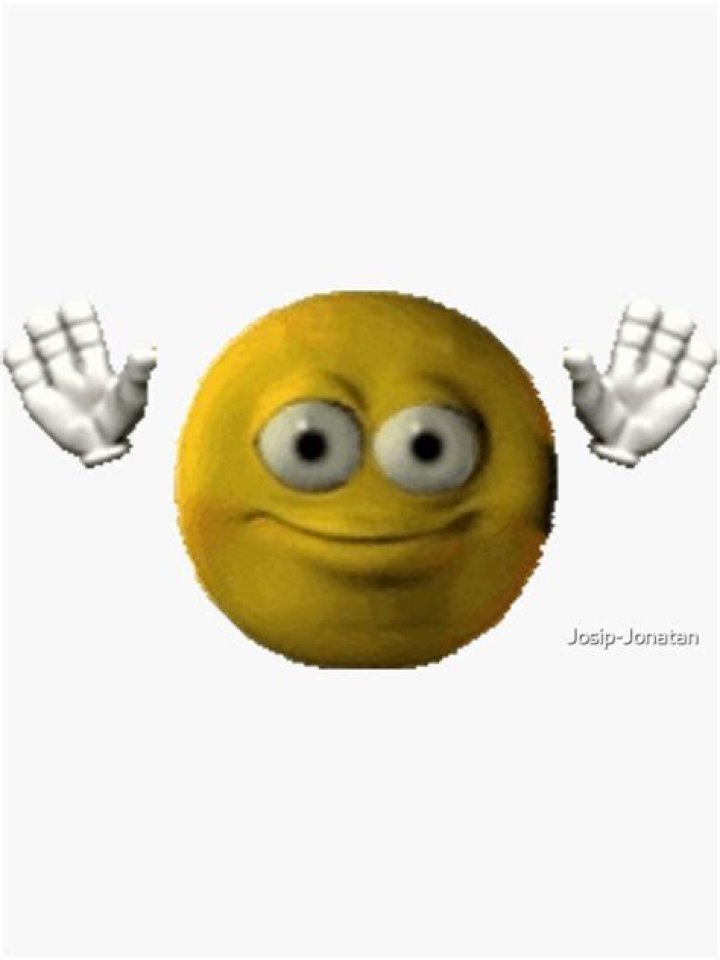
 The yellow dude with hands up has become one of the most recognizable symbols in digital communication. Whether you call it an emoji, a reaction image, or simply "that yellow guy," this character appears millions of times daily across text messages, social media posts, and online forums. Its simple design—a bright yellow figure with both arms raised—conveys everything from celebration and surrender to confusion and exasperation, depending on context.
But what exactly is this yellow figure, and why has it captured such widespread attention? The character most people reference belongs to the standardized emoji set used across smartphones and computers worldwide. Its versatility has made it a staple of modern communication, transcending language barriers and becoming shorthand for complex emotions that words sometimes fail to express.
The Emoji Behind the Phrase
When people search for "yellow dude with hands up," they're typically referring to one of several emojis. The most common is the "Person Raising Both Hands in Celebration" emoji, officially documented as U+1F64C in the Unicode Standard. This cheerful character appears with arms stretched upward, palms facing forward, suggesting joy, praise, or a celebratory mood.
Another frequently identified candidate is the "Person Shrugging" emoji (U+1F937), which shows a yellow figure with raised hands positioned near shoulder level and an expressionless face. This version communicates uncertainty, indifference, or a lack of knowledge about something. The subtle differences in arm position and facial expression dramatically alter the message each emoji sends.
The "Man With Hands Up" or "Hands Raised" emoji also fits this description. Across different platforms—Apple, Google, Samsung, Microsoft—these yellow figures maintain consistent arm positions while varying slightly in artistic style. Apple's version tends toward more detailed shading, while Google's adopts a flatter, more minimalist approach.
Unicode and Digital Standardization
The yellow dude with hands up exists because of Unicode, the computing industry standard for consistent text encoding across different systems. The Unicode Consortium, a non-profit organization, approves and catalogs emojis that technology companies then implement in their operating systems.
Emojis gained their characteristic yellow color to remain racially neutral and inclusive. Before skin tone modifiers were introduced in 2015, all human emojis appeared in this default yellow. Users can now select from six skin tone options based on the Fitzpatrick scale, but the original yellow remains the most commonly used across platforms.
The raising hands emoji was added to Unicode 6.0 in 2010, making it over fifteen years old. Despite its age, it continues ranking among the top 100 most-used emojis globally. Its longevity speaks to its effectiveness as a communication tool.
Cultural Interpretations and Viral Moments
Internet culture has given the yellow dude with hands up meanings far beyond its official Unicode description. On Twitter and TikTok, users deploy it sarcastically when expressing mock celebration or feigned enthusiasm. "Just got another email about a meeting that could have been an email 🙌" captures this ironic usage perfectly.
The emoji gained particular prominence in meme culture around 2016-2017. Image macros featuring the character with captions about everyday frustrations became widespread. One popular format showed the yellow figure with text like "When you're dead inside but still have to be polite," transforming a celebration symbol into an expression of existential exhaustion.
Religious and spiritual communities adopted the raised hands emoji differently. Many use it to represent prayer, praise, or worship, particularly in Christian social media circles. "Blessed 🙌" became such a common phrase that it evolved into its own micro-genre of Instagram posts.
Sports fans and gaming communities embraced it as a victory symbol. Championship wins, personal bests, and gaming achievements routinely get celebrated with strings of these yellow figures. The emoji's energy matches the excitement of competitive success.
Psychology of Emoji Communication
Researchers studying digital communication have found that emojis like the yellow dude with hands up serve crucial functions in text-based conversations. They provide emotional context that written words alone often can't convey. A simple "okay" reads as neutral or potentially passive-aggressive, but "okay 🙌" signals genuine enthusiasm.
Dr. Linda Kaye, a cyberpsychology researcher at Edge Hill University, has published studies showing that emoji use correlates with higher emotional expressiveness and social connection in online spaces. The yellow dude with hands up specifically appears in messages intended to be uplifting, supportive, or encouraging.
The character's ambiguity works in its favor. Because it can mean different things depending on context, users can adapt it to countless situations. This flexibility explains why it hasn't been replaced by more specific emojis introduced in subsequent years.
Platform Variations and Design Evolution
Each tech company designs its own version of the yellow dude with hands up, leading to subtle variations. Apple's iOS version shows a figure with clearly defined fingers and smooth gradient shading. Google's Android version uses bolder outlines and simpler color fills. Microsoft's emoji features rounder proportions and a slightly different arm angle.
These differences occasionally cause confusion. What appears as joyful celebration on an iPhone might look more like surrender on a Samsung device. Cross-platform emoji inconsistency has sparked discussions about standardizing not just the Unicode definition but also the visual representation.
Twitter (now X) and Facebook use their own custom emoji designs within their platforms. WhatsApp employs yet another variant. Despite these variations, users generally recognize the intent behind the yellow figure with raised arms, regardless of which specific design they see.
The Shrug Variant's Internet Dominance
The shrugging version of the yellow dude with hands up deserves special attention. Introduced to Unicode 9.0 in 2016, it quickly became the definitive "I don't know" response. Its popularity exploded partly because it represented something previously missing from the emoji keyboard—indifference with a hint of helplessness.
Before this emoji existed, internet users typed the kaomoji ¯\_(ツ)_/¯ to express similar sentiments. The official emoji version simplified this into a single character while maintaining the same essential message. Within months of its release, the shrugging person appeared everywhere from customer service exchanges to political commentary.
Linguists note that this particular emoji has begun replacing actual verbal responses. Instead of typing "I don't know," users simply send the yellow dude with raised hands and neutral expression. This represents a shift toward purely visual communication that may define how younger generations interact digitally.
Marketing and Brand Communication
Businesses have incorporated the yellow dude with hands up into their social media strategies. Brands use it to appear relatable and casual while announcing good news, thanking customers, or celebrating milestones. A company tweet saying "We hit 1 million users 🙌" feels more approachable than a formal press release.
However, marketing professionals warn against emoji overuse. When brands deploy them incorrectly or excessively, it can appear forced or out of touch. The key lies in matching emoji use to the platform and audience expectations. What works on TikTok might fall flat on LinkedIn.
Email marketing platforms report that subject lines containing the raised hands emoji see higher open rates in certain demographics, particularly among users under 40. But this effectiveness decreases when too many brands adopt the same tactic, leading to emoji fatigue.
Accessibility Considerations
Screen readers interpret the yellow dude with hands up differently depending on the emoji. The celebration version typically reads as "person raising both hands in celebration" or "raising hands," while the shrug reads as "person shrugging" or simply "shrug." Users who rely on assistive technology receive these verbal descriptions instead of seeing the visual character.
This creates potential communication gaps. What a sighted user perceives as an enthusiastic gesture might be announced to a screen reader user in more neutral terms. Accessibility advocates recommend pairing important emojis with clarifying text to ensure everyone receives the intended message.
Some platforms have improved emoji accessibility by allowing users to customize how emojis are announced by screen readers. This represents progress toward making digital communication more inclusive for people with visual impairments.
Frequently Asked Questions
What does the yellow dude with hands up emoji officially mean?
The official Unicode description for the most common version (🙌) is "person raising both hands in celebration." It's intended to convey joy, praise, success, or celebration. The shrugging variant (🤷) officially represents uncertainty, doubt, or ignorance about something. However, users have developed additional informal meanings through cultural usage.
Why are emojis yellow instead of realistic skin tones?
The Unicode Consortium originally chose yellow as a neutral, non-human color to avoid racial representation issues. This decision predated the introduction of skin tone modifiers in 2015. Yellow was selected because it had been used in early Japanese emoji sets and was considered universally recognizable without implying any specific ethnicity. Today, users can select from multiple skin tones, but yellow remains the default.
Can the yellow dude with hands up have different meanings in other cultures?
Yes, emoji interpretation varies across cultures. In Western contexts, raised hands typically signal celebration or surrender. In Japan, where emojis originated, similar gestures might indicate an apology or request for forgiveness. Some Middle Eastern users interpret raised hands as a prayer gesture. Context and accompanying text usually clarify the intended meaning, but cultural background influences how people decode these visual symbols.
The Future of Digital Expression
The yellow dude with hands up will likely remain relevant as emoji communication continues evolving. The Unicode Consortium adds new emojis annually, but classic characters like this one maintain their positions in the digital lexicon. Their simplicity and versatility ensure continued use even as more specific options become available.
Emerging technologies like augmented reality and virtual reality may transform how we use these characters. Imagine sending an animated 3D version of the yellow figure that mimics your actual hand movements. Some platforms are already experimenting with personalized avatars that could replace standardized emojis.
Despite technological advances, the basic yellow dude with hands up fulfills a fundamental human need—expressing emotion quickly and clearly across digital distances. That need isn't going away. Whether we're celebrating victories, expressing confusion, or simply acknowledging someone's message, this simple yellow figure will likely continue serving as our digital representative for years to come.