What Does FOMF Mean in Texting? The Acronym Explained
 Isabella Floyd
Text messaging has created an entire language of abbreviations, and keeping up with new acronyms can feel like learning a foreign dialect. FOMF is one of those terms that's been popping up more frequently in text conversations, leaving many people scratching their heads. If you've received this acronym and wondered what someone was trying to tell you, you're not alone.
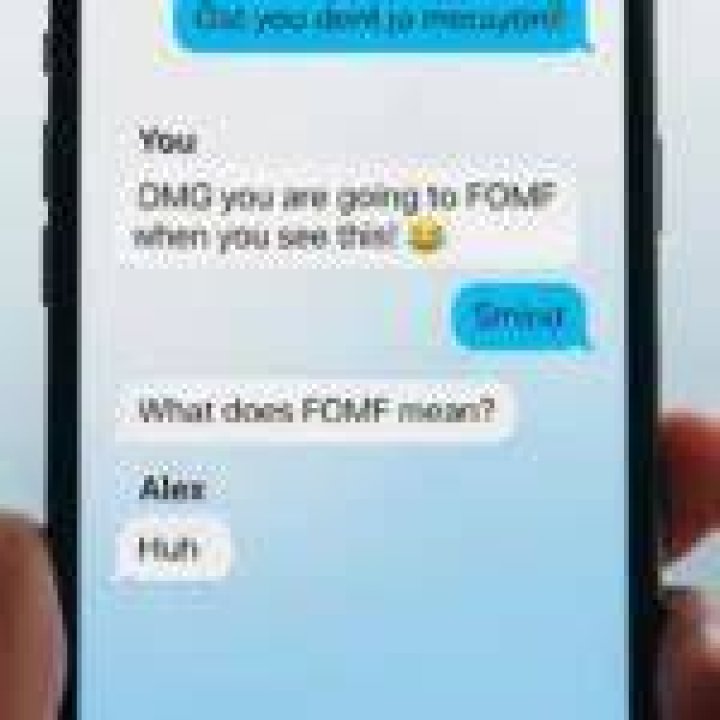
The abbreviation FOMF stands for "F Off My Friend" or sometimes "F Off Mother F" depending on the context and relationship between the people texting. It's typically used as a playful or joking dismissal rather than a genuinely hostile message. The tone matters enormously here—this is usually banter between close friends who understand each other's communication style.
Understanding the Context Behind FOMF
FOMF belongs to a category of acronyms that sound aggressive on the surface but carry entirely different meanings among friends. Think of it as digital sarcasm. When someone sends you FOMF, they're usually reacting to something ridiculous you said, an outlandish story you shared, or a terrible joke you made.
The acronym emerged from online gaming communities and social media platforms where quick, punchy responses became the norm. Gamers particularly embraced this kind of shorthand because typing full sentences during gameplay wastes precious seconds. From there, it spread to general texting culture.
What makes FOMF interesting is its dual nature. It can express mock disbelief ("You did NOT just say that"), playful dismissal ("Get out of here with that nonsense"), or friendly ribbing between people who are comfortable with edgier humor. The relationship context determines everything.
How People Actually Use FOMF
Real-world usage shows FOMF appearing in specific situations. Someone might send it after hearing an unbelievable story, responding to a bad pun, or reacting to a friend's outrageous claim. It's conversational punctuation—a way to say "that's absurd" without typing out a lengthy response.
Here's what typical usage looks like in practice:
- Friend shares an embarrassing story from last night: "FOMF, that did not happen!"
- Someone tells an exceptionally bad joke: "FOMF with those dad jokes"
- A friend makes an impossible claim: "You beat the game in 10 minutes? FOMF"
- Reacting to unexpected news: "She said yes? FOMF, congrats dude!"
Notice how the tone shifts based on what comes after the acronym. The additional context transforms potential hostility into friendly banter.
When FOMF Crosses the Line
Not everyone appreciates this style of communication. What reads as playful to one person might feel genuinely rude to another. Age, cultural background, and personal communication preferences all influence how someone interprets FOMF.
Using this acronym with someone you've just met or don't know well is risky. Without established rapport, they might take it at face value and think you're being genuinely hostile. Professional contexts are obviously off-limits—sending FOMF to a colleague or boss would be a serious mistake.
Even among friends, consider whether the other person is having a rough day. Timing matters. What lands as funny banter on a normal Tuesday might sting when someone's already stressed or upset. Reading the room applies to digital conversations too.
The Evolution of Texting Acronyms
FOMF sits within a broader ecosystem of texting shorthand that's been evolving since the early days of SMS messaging. Character limits once made abbreviations necessary. Now they serve different purposes—conveying tone, saving time, or signaling group membership.
Older acronyms like LOL, BRB, and OMG achieved universal recognition. They're understood across generations and demographics. Newer terms like FOMF remain more niche, circulating within specific age groups and communities. This creates communication divides where younger texters effortlessly understand dozens of acronyms that baffle their parents.
Social media platforms accelerate how quickly new terms spread. An acronym used in a popular TikTok video can explode into mainstream usage within weeks. FOMF hasn't reached that saturation point yet, which is why it still prompts confusion.
Regional and Platform Differences
Texting language varies by platform and geography. What's common on Discord might be rare on Instagram. British texters develop different shorthand than Americans. FOMF appears most frequently in gaming communities, certain Reddit threads, and among young adults who embrace edgier humor.
Platform culture shapes acceptability too. The same acronym that fits perfectly in a casual group chat would feel wildly inappropriate in a LinkedIn message. Understanding these boundaries prevents awkward misunderstandings.
Why Acronyms Like FOMF Matter
These abbreviations aren't just linguistic shortcuts—they're identity markers. Using the right slang at the right time signals you're part of a group. It demonstrates cultural fluency within specific communities.
For younger generations especially, this evolving language represents creative expression. They're not destroying communication; they're adapting it for new contexts and technologies. Each generation develops its own linguistic innovations that initially confuse outsiders.
FOMF and similar terms also serve practical purposes. They compress complex emotional reactions into bite-sized chunks. Instead of typing "I cannot believe you just said that, you absolute madman," someone fires off four letters that convey the same sentiment.
Frequently Asked Questions
Is FOMF always meant as a joke?
Context determines intent. Between close friends with established banter, FOMF is almost always playful. From someone you barely know or in a tense conversation, it could be genuinely hostile. Look at the surrounding messages and your relationship with the sender. If you're unsure, asking for clarification beats making assumptions.
Should I use FOMF in my texts?
Only if you're certain the recipient will understand it as friendly banter. Stick to using it with close friends who share your sense of humor and communication style. Avoid it entirely in professional settings, with new acquaintances, or when someone seems upset. When in doubt, choose clearer language that can't be misinterpreted.
Are there other acronyms similar to FOMF?
Plenty of acronyms walk the same line between playful and potentially offensive. GTFO (Get The F Out) often functions similarly as mock disbelief. STFU (Shut The F Up) can be joking among friends but harsh otherwise. The pattern holds—profanity-based acronyms work in specific contexts with specific people but risk causing offense elsewhere.
Final Thoughts
FOMF exemplifies how digital communication constantly evolves. What seems like random letters to outsiders carries specific meaning within certain groups. The acronym works when both people understand the playful intent behind it.
If someone sends you FOMF, consider your relationship with them and the conversation context before reacting. Chances are they're joking around rather than genuinely telling you off. And if you're thinking about using it yourself, make sure you know your audience well enough that it'll land as intended.
Language keeps changing. New acronyms will emerge while others fade into obscurity. FOMF might become ubiquitous or remain niche. Either way, understanding these linguistic shifts helps navigate modern communication. Just remember that clarity beats cleverness when the stakes are high or the relationship is new.