Gojo With Black Eyes: Meaning Behind the Viral Jujutsu Kaisen Phenomenon
 James White
 Satoru Gojo stands as one of anime's most recognizable characters, largely due to his signature bright blue Six Eyes. Yet a growing fascination has emerged around depictions of Gojo with black eyes—a visual transformation that strips away his supernatural gaze and presents something entirely different. This phenomenon spans official manga panels, fan artwork, and intense community speculation about what such a change might signify.
The interest isn't arbitrary. Gojo's eyes define him both aesthetically and narratively within Jujutsu Kaisen. They represent his overwhelming power, his isolation from normal human experience, and the burden of being the strongest sorcerer alive. Seeing him without that distinctive blue—or imagining scenarios where his eyes turn black—opens up storytelling possibilities that fans find endlessly compelling.
Understanding Gojo's Six Eyes in Jujutsu Kaisen
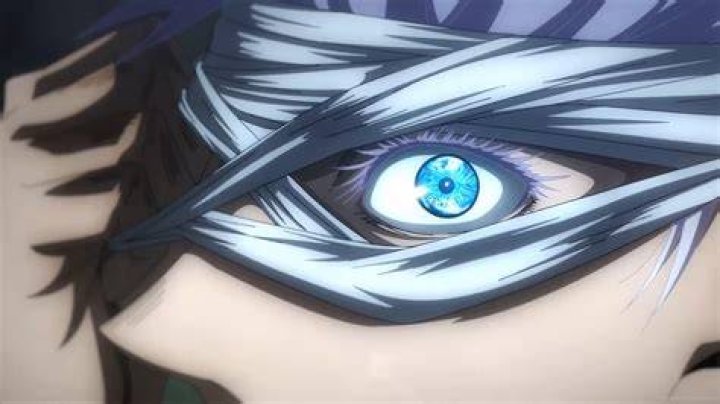
Before examining the black eyes phenomenon, context matters. Gojo inherited the Six Eyes, a rare ocular ability that appears once every few centuries in the Gojo family bloodline. These eyes grant him unprecedented perception of cursed energy at a microscopic level. He can see the flow of energy in others, predict movements, and process information at superhuman speeds.
The Six Eyes also enable perfect control over his Limitless technique, making techniques that would drain other sorcerers practically cost-free for him. This combination creates someone functionally untouchable in combat. The bright blue color serves as a visual shorthand for this godlike power—audiences immediately recognize that Gojo operates on a different level than everyone else.
His habit of wearing a blindfold or dark sunglasses isn't fashion. The Six Eyes process so much information constantly that they're exhausting to use in daily life. The coverings provide relief while still allowing him to "see" through cursed energy perception. This detail reinforces how his eyes represent both blessing and curse.
When Gojo Actually Appears With Different Eyes
Several canonical moments show Gojo without his characteristic blue gaze. During his youth in the Hidden Inventory arc, flashback panels occasionally depict him with his eyes closed or obscured in shadow, rendering them darker. These aren't truly black eyes but rather artistic choices that emphasize his emotional state during vulnerable moments.
The Shibuya Incident arc presents the most significant visual shift. After being sealed in the Prison Realm, official artwork and manga panels show Gojo in complete darkness, his face obscured. Fan interpretations of this sealed state sometimes render his eyes as black or void-like, symbolizing his separation from the world and temporary powerlessness.
Certain manga panels use heavy shadows during intense emotional beats. When Gojo confronts painful truths about his friendship with Geto or faces the loneliness of his power, artist Gege Akutami occasionally depicts his eyes as darker, almost black. These moments hit harder precisely because they strip away the visual marker of his invincibility.
The Symbolism Behind Black Eyes
In Japanese visual storytelling, eye color shifts carry weight. Black eyes often represent humanity, normalcy, or the loss of something supernatural. For a character defined by extraordinary eyes, turning them black would symbolize becoming ordinary—or perhaps losing the very thing that makes him special.
Some interpretations view hypothetical black eyes as liberation. Without the Six Eyes, Gojo might experience the world as others do. He could walk through crowds without being overwhelmed. He could form connections without the barrier his power creates. Black eyes might represent freedom from the isolation that his strength imposes.
Darker readings suggest black eyes could indicate corruption, death, or transformation into something inhuman. In manga traditions, characters losing their distinctive eye traits often signals fundamental change—not always for the better. This ambiguity fuels fan theories about potential story directions.
Fan Art and Community Interpretations
The fan art community has produced thousands of Gojo illustrations featuring black eyes. These range from subtle edits that simply change eye color to complete reimaginings of his character design. Artists explore different narratives through this visual change.
Some popular interpretations include:
- Alternate universe versions where Gojo never inherited the Six Eyes, living as a normal person
- Post-battle scenarios where he's lost his powers permanently, shown with black eyes as a mark of that loss
- Emotional pieces depicting his internal emptiness or depression, using black eyes as visual metaphor
- Horror-themed artwork where black eyes signal possession or corruption by cursed spirits
- Romantic fan content showing vulnerable moments where his supernatural traits fade away
These fan works reveal what the community finds narratively interesting: vulnerability. Gojo's overwhelming strength makes him somewhat untouchable as a character. Imagining him without that power—symbolized through black eyes—creates space for different kinds of stories.
Theories About Future Story Developments
Speculation runs wild about whether Gojo might actually lose his Six Eyes in canon. The Jujutsu Kaisen manga has consistently subverted expectations, and permanently depowering its strongest character would create massive narrative stakes.
One theory suggests that if Gojo were to lose the Six Eyes, his appearance would revert to ordinary black eyes typical of most characters. This would force him to rely on skill and experience rather than overwhelming innate ability. Such a development would fundamentally alter power dynamics in the story.
Another angle considers the possibility of his death. If Gojo dies, final panels might show his eyes fading to black as the Six Eyes extinguish. This visual would carry enormous emotional weight, marking the definitive end of the modern era's strongest sorcerer.
Some fans theorize about potential resurrection or reincarnation scenarios where Gojo returns without his original eyes. These often imagine him as more human, more connected to others, but lacking his previous divine power. Black eyes would signal this fundamental change in his existence.
Cultural Impact and Meme Status
The concept of Gojo with black eyes has transcended serious analysis to become something of a meme. Social media regularly features jokes about "Gojo without his Six Eyes" being equivalent to making him a normal person. These jokes play on how completely his identity ties to his ocular abilities.
Cosplayers face interesting challenges. While Gojo's blue eyes and white hair make him visually distinctive, some cosplayers deliberately portray "powerless" or "alternate universe" versions with black eyes. This choice creates a different characterization—more approachable, less godlike.
The phenomenon demonstrates how visual elements drive character identity in anime and manga. Changing a single feature—eye color—can completely alter how audiences perceive a character. This speaks to the effectiveness of Akutami's character design for Gojo.
Comparing to Other Anime Eye Transformations
Gojo's hypothetical black eyes fit into a broader anime tradition of significant eye changes. Characters like Kaneki from Tokyo Ghoul undergo eye transformations that mark their fundamental change. The Sharingan in Naruto similarly defines characters through distinctive eye abilities.
What makes Gojo's case interesting is that his transformation runs opposite to the typical pattern. Usually characters gain special eyes as they power up. For Gojo, losing his distinctive eyes would represent depowering—a reversal of the usual trajectory that makes it narratively compelling.
This inversion creates tension. Audiences are conditioned to expect eye transformations to signal getting stronger. Imagining Gojo with black eyes forces consideration of what it means to lose power, to become human, to be vulnerable in ways he's never been.
Frequently Asked Questions
Does Gojo ever actually have black eyes in the Jujutsu Kaisen manga?
Not exactly. While certain panels use heavy shadows or show his eyes closed, making them appear darker, Gojo's eyes are canonically bright blue due to the Six Eyes. Artistic shading during emotional moments sometimes creates the illusion of darker eyes, but this represents lighting and mood rather than an actual color change. The black eyes concept largely comes from fan interpretations and artwork rather than official story developments.
What would happen if Gojo lost his Six Eyes?
Losing the Six Eyes would catastrophically reduce Gojo's power. He would lose the ability to perceive cursed energy at a microscopic level and his perfect efficiency in using the Limitless technique. Without them, his cursed techniques would drain his energy like any other sorcerer. He'd still possess knowledge and skill, but would no longer be "the strongest." His eyes would presumably return to a normal appearance, likely black like most characters in the series.
Why are fans so interested in Gojo with black eyes?
The fascination stems from narrative possibility. Gojo's overwhelming power makes him almost invincible, which limits dramatic tension. Imagining him without his signature eyes—and by extension, without his godlike abilities—creates space for vulnerability, character growth, and different story possibilities. It represents the human behind the power, which many fans find more emotionally engaging than his untouchable strongest-sorcerer persona.
The Lasting Appeal of This Visual Concept
The enduring interest in Gojo with black eyes reflects deeper engagement with character and story. Fans don't simply want to see cool powers and overwhelming victories. They want complexity, vulnerability, and the possibility of meaningful change.
Whether this transformation ever occurs in canon remains to be seen. Gege Akutami has demonstrated willingness to make bold narrative choices that other series might avoid. Permanently altering or removing Gojo's Six Eyes would rank among the most significant developments possible.
For now, the concept lives primarily in fan imagination and artwork. These creative interpretations reveal what audiences value: not just strength, but the courage to explore what happens when strength fades. They suggest that sometimes the most interesting version of the strongest character is the one who loses what made them strongest in the first place.
Black eyes on Gojo represent possibility. The possibility of change, of loss, of becoming something new. In a character defined by his unchanging superiority, that possibility alone makes the concept endlessly fascinating to explore.