Who Decided That Escanor Would Be The Seven Deadly Sins' Strongest Lion?
 John Peck
Escanor, the Lion's Sin of Pride from The Seven Deadly Sins, stands as one of anime's most memorable characters. His overwhelming power, paradoxical personality, and tragic nobility have captivated millions. But who actually decided that Escanor would become this legendary figure? The answer lies with Nakaba Suzuki, the manga's creator, whose deliberate creative choices shaped every aspect of this complex warrior.
Understanding the origins of Escanor requires looking beyond the character himself. Suzuki didn't just sketch a powerful fighter. He engineered a narrative force that would fundamentally alter the series' power dynamics and emotional depth. The decision-making process behind Escanor's creation reveals fascinating insights into manga development, character design philosophy, and the balancing act between fan service and storytelling integrity.
Nakaba Suzuki's Vision for The Pride Sin
Nakaba Suzuki introduced Escanor relatively late in The Seven Deadly Sins storyline, a calculated decision that distinguished him from the other sins. While Meliodas, Ban, King, and the others appeared early, Escanor remained mysterious. This wasn't accidental. Suzuki wanted to create anticipation, allowing readers to wonder about the missing sin before revealing someone who would exceed expectations.
The mangaka has explained in interviews that Escanor's dual nature—meek by night, invincible by day—came from wanting to explore extreme contrasts within a single character. Suzuki decided that Escanor would embody both humility and overwhelming pride, creating a psychological complexity rarely seen in shonen manga. This wasn't just about making someone strong. It was about examining what strength means when paired with crippling insecurity.
Suzuki drew inspiration from various sources when deciding Escanor's characteristics. The day-night transformation echoes classic werewolf mythology, but inverted. Rather than becoming monstrous, Escanor becomes divine. His "Sunshine" ability, which grants him escalating power as the sun rises, reflects the creator's fascination with celestial power systems and natural phenomena as sources of strength.
The Creative Team Behind Escanor's Development
While Suzuki holds primary responsibility for deciding Escanor's core concept, manga creation involves collaboration. Editors at Kodansha's Weekly Shōnen Magazine played significant roles in refining the character. These editorial decisions influenced when Escanor would appear, how his backstory would unfold, and the pacing of his most significant battles.
Character designers for the anime adaptation, produced by A-1 Pictures and later Studio Deen, made their own decisions about translating Escanor to animation. Voice actor Tomokazu Sugita brought nuances to the character that Suzuki hadn't explicitly written, particularly the contrast between nighttime Escanor's apologetic whispers and daytime Escanor's thunderous declarations. These interpretative decisions became canonical in fans' minds, showing how character creation extends beyond the original creator.
The marketing teams at both Kodansha and the anime production committees decided to position Escanor as a flagship character despite his late introduction. Merchandise, promotional materials, and social media campaigns emphasized his quotes and iconic scenes, particularly "Who decided that?" This decision amplified Escanor's cultural impact beyond what Suzuki might have initially anticipated.
Key Decisions That Defined Escanor's Character
- The Sunshine Grace: Suzuki decided that Escanor would wield the grace originally belonging to Mael, creating a connection to the series' deeper mythology and the Ten Commandments storyline.
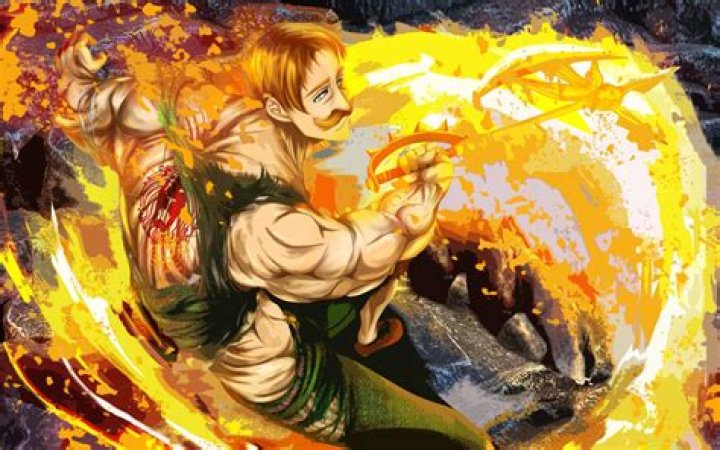
- Physical Transformation: The decision to make Escanor's body physically change throughout the day—from thin and fragile to muscular and imposing—added visual storytelling that reinforced his power fluctuations.
- Romantic Subplot: Choosing to give Escanor unrequited feelings for Merlin added emotional vulnerability, preventing him from becoming a one-dimensional powerhouse.
- The One Form: Creating a single-minute window of absolute power (The One) demonstrated Suzuki's understanding of dramatic tension and limitations on overwhelming strength.
- Noble Sacrifice: The decision regarding Escanor's ultimate fate showed commitment to narrative consequences rather than plot armor for popular characters.
- Pride as Weakness: Rather than making pride purely negative, Suzuki decided that Escanor's pride would be both his greatest strength and fundamental flaw, creating philosophical depth.
The "Who Decided That?" Phenomenon
Escanor's most famous line—"Who decided that?"—became a defining moment in anime history. But who decided that this phrase would become his signature? Suzuki wrote it as a natural expression of Escanor's character at noon, when his pride peaks and he genuinely cannot comprehend anyone challenging his supremacy. The line's simplicity and directness made it instantly memorable.
The phrase appears during Escanor's battle against Estarossa, when the demon assumes victory. Escanor's response—questioning the very premise that anyone could decide his defeat—perfectly encapsulates his noon persona. It's not just arrogance. It's a fundamental rejection of anyone else's authority over his existence. Suzuki decided this moment would crystallize everything Escanor represents.
Translation teams made crucial decisions about how to render this line in various languages. The English version maintains the philosophical weight while remaining accessible. Different translations emphasize different aspects—some focus on the questioning nature, others on the implicit challenge to authority. These choices affected how international audiences perceived the character.
Power Scaling and Narrative Balance
One of Suzuki's most challenging decisions involved determining exactly how powerful Escanor should be. The Seven Deadly Sins already featured Meliodas, whose power level was established as extraordinary. Deciding that Escanor could match or surpass Meliodas during The One required careful justification and narrative groundwork.
Suzuki implemented several safeguards to prevent Escanor from breaking the story. His time-limited power, nighttime vulnerability, and eventual physical toll created natural constraints. These weren't just plot devices—they were fundamental decisions about how to maintain stakes in a series featuring increasingly godlike beings. Without these limitations, Escanor could have solved every conflict, eliminating narrative tension.
The creator also decided that Escanor's strength would come with psychological costs. Unlike characters who enjoy their power, Escanor experiences his might as a burden. He knows his nighttime self will suffer from his daytime self's actions. This internal conflict prevents his overwhelming strength from becoming monotonous.
Character Design Decisions
Visually, Escanor underwent several iterations before Suzuki finalized his appearance. Early designs showed different approaches to his dual nature. The decision to give him a mustache—unusual for shonen protagonists—immediately set him apart. His daytime appearance deliberately invokes classical depictions of strong men, almost to the point of parody, which serves the character's theatrical pride.
The Sacred Treasure, Divine Axe Rhitta, represents another key decision. Naming it after a real person from Arthurian legend (Rhitta Gawr, who made a cloak from kings' beards) connected Escanor to the series' broader mythological framework. The axe's massive size and sun motif reinforce his solar theme without being subtle—a choice that matches Escanor's own lack of subtlety at noon.
Costume design decisions emphasized Escanor's nobility and pride. His bartender outfit during his introduction contrasts sharply with the regal attire he adopts later. These visual transitions mirror his character arc from hiding his identity to accepting his role among the sins.
Inspiration and Cultural References
Suzuki has acknowledged that deciding Escanor's characteristics involved synthesizing various cultural and literary influences. The solar aspect draws from sun gods across mythologies—Ra, Apollo, Amaterasu—but filtered through shonen manga conventions. The pride aspect references both the Christian concept of pride as a sin and more positive Eastern philosophies about self-worth and dignity.
The contrast between Escanor's two states reflects Japanese concepts of honne (true feelings) and tatemae (public facade), though inverted. Night Escanor represents humility and social deference, while day Escanor expresses absolute authenticity without social filters. Deciding to explore this dichotomy through a power-based transformation made the philosophical concrete.
Literary influences likely included characters who gain power from external sources while maintaining their core identity. Dr. Jekyll and Mr. Hyde presents an obvious parallel, though Escanor's transformations are cyclical and neither state is truly monstrous. These decisions created something familiar yet distinctive.
Fan Reception and Creative Validation
The overwhelming positive fan response to Escanor validated Suzuki's creative decisions. Popularity polls consistently ranked him highly despite his late introduction. This success influenced subsequent decisions about his screen time, battle frequency, and narrative importance. A character initially planned as supporting cast became central to the series' climax.
Cosplayers faced interesting challenges with Escanor, needing to decide whether to portray his day or night form—or attempt both. Fan artists explored aspects of his character that the manga couldn't fully develop. This community engagement demonstrated how creative decisions by a single mangaka ripple outward, inspiring thousands of interpretative decisions by fans.
Merchandise sales particularly validated the decision to emphasize Escanor's visual distinctiveness and memorable quotes. Figures depicting The One form became bestsellers, showing how design decisions translate directly into commercial success. This financial validation likely influenced the anime's decision to expand certain Escanor scenes beyond their manga length.
Editorial and Publishing Decisions
Kodansha's Weekly Shōnen Magazine editors made strategic decisions about when to introduce Escanor and how to pace his reveals. These weren't purely artistic choices—publishing schedules, reader surveys, and competitive analysis with other shonen titles all factored in. Deciding to hold back Escanor until the series was well-established allowed for maximum impact.
The decision to give Escanor prominent cover appearances and color pages reflected the editorial team's recognition of his marketing potential. These choices increased visibility and helped cement his status as a flagship character for the franchise. Cover placement isn't random—it's a calculated decision based on character popularity and strategic promotion.
International licensing decisions also played a role. When companies like Crunchyroll and Netflix decided how to market The Seven Deadly Sins globally, Escanor featured prominently in trailers and promotional materials. These decisions introduced many Western fans to the character before they encountered him naturally in the story, creating anticipation.
Frequently Asked Questions
Did Nakaba Suzuki plan Escanor from the beginning?
While Suzuki conceived The Seven Deadly Sins with seven members, Escanor's specific characteristics evolved during the manga's development. Early chapters reference the missing sin but don't detail his abilities. Suzuki has indicated that while he knew the basic concept early on, Escanor's personality and powers crystallized as he wrote the series. This iterative approach allowed him to create a character that fit the story's needs at the appropriate narrative moment rather than forcing a predetermined design.
Why was Escanor introduced so late compared to other sins?
Suzuki decided to introduce Escanor late for several narrative reasons. First, it maintained mystery and gave readers something to anticipate. Second, by the time Escanor appeared, the series needed a character who could credibly challenge escalating threats. Third, late introduction meant Escanor's first appearance could be spectacularly powerful without requiring gradual power increases. This decision demonstrated sophisticated understanding of pacing and reader engagement over a long-running series.
Who voices Escanor in different language versions?
Tomokazu Sugita voices Escanor in Japanese, bringing decades of experience to both the character's contrasting personalities. For English audiences, Kyle Hebert was decided upon for the voice role, providing a different but equally effective interpretation. These casting decisions significantly impacted how audiences experience the character, as voice actors make countless micro-decisions about delivery, tone, and emphasis that shape characterization beyond the written script.
The Legacy of Creative Decisions
Every aspect of Escanor—from his powers to his personality, his appearance to his ultimate fate—resulted from deliberate creative decisions by Nakaba Suzuki and his collaborative team. These weren't random choices or inevitable developments. They reflected artistic vision, market awareness, narrative necessity, and sometimes pure instinct.
Understanding who decided that Escanor would be what he is reveals the complex reality of manga creation. It's not a single person making isolated choices, but a network of creators, editors, animators, voice actors, and even fans whose responses influence subsequent decisions. Suzuki originated the concept and guided its development, but Escanor as fans know him emerged from countless decisions across multiple media.
The character's enduring popularity proves these decisions largely succeeded. Escanor resonates because someone decided he should embody contradictions—weak yet strong, humble yet proud, human yet divine. Someone decided his power should inspire awe but also sympathy. Someone decided his story should end not in triumph but in sacrifice that honors both his strength and his limitations.
These creative decisions transformed a manga character into a cultural phenomenon. They demonstrate how thoughtful character development, even in fantasy action series, creates emotional investment that transcends the genre. When fans quote "Who decided that?" they're celebrating not just the character, but the creative vision that brought him into existence—a vision that continues inspiring audiences years after those initial decisions were made.