Which Country Code Is 234? Everything About Nigeria's Dialing Code
 David Osborn
The country code 234 belongs to Nigeria, the most populous nation in Africa and an economic powerhouse in West Africa. If you've ever received a call from a number beginning with +234 or wondered how to dial someone in Lagos or Abuja, understanding this three-digit prefix is essential for international communication.
Nigeria's telecommunications landscape has transformed dramatically over the past two decades. From limited landline access to becoming one of Africa's largest mobile phone markets, the country now connects millions of people daily through its distinctive international calling code. Whether you're conducting business, contacting family, or simply curious about global phone systems, knowing how country code 234 functions opens doors to effective communication with Nigeria.
Understanding Country Code 234
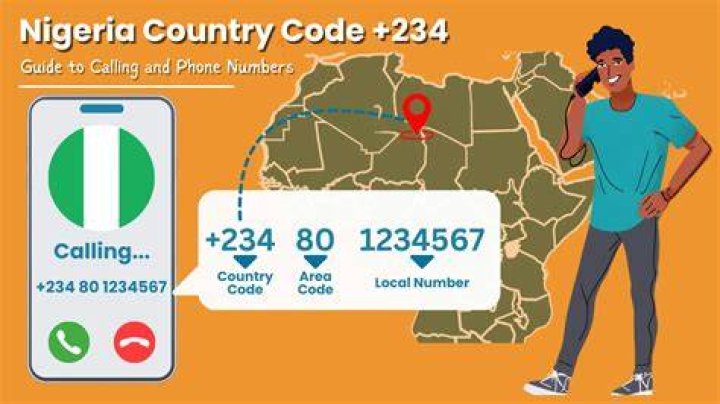
Country code 234 is Nigeria's internationally recognized telephone prefix assigned by the International Telecommunication Union (ITU). When placed before a Nigerian phone number, it routes calls through international switching systems directly to Nigeria's telecommunications network.
The ITU distributes these codes to ensure each country has a unique identifier in the global telephone numbering plan. Nigeria received 234 as its designation, making it instantly recognizable in international directories and caller ID systems worldwide. This three-digit code precedes all Nigerian phone numbers when dialing from outside the country.
Nigeria operates multiple area codes within its borders for different regions and cities. Lagos uses 1, Abuja uses 9, and Port Harcourt uses 84, among many others. Mobile numbers follow a different structure entirely, typically starting with digits like 070, 080, 081, 090, or 091 after the country code.
How to Dial Nigerian Phone Numbers
Calling Nigeria from abroad requires a specific sequence. Start by dialing your country's international access code—011 in the United States and Canada, 00 in most European countries, or simply + on mobile devices. Follow this with 234, then the Nigerian phone number without its leading zero.
For example, if a Nigerian mobile number appears as 0803 456 7890 within Nigeria, you would dial +234 803 456 7890 from overseas. The leading zero drops off because the country code replaces it in international format.
Landline calls work similarly but include area codes. A Lagos landline showing as 01 234 5678 locally becomes +234 1 234 5678 internationally. The zero disappears, and the area code follows immediately after the country code.
Nigeria's Telecommunications Evolution
Nigeria's phone system has undergone remarkable changes since the 1990s. Before mobile technology arrived, landlines were scarce and unreliable. Waiting years for a landline installation was common. Many Nigerians relied on community call centers where entrepreneurs charged per-minute fees.
The mobile revolution changed everything. By the early 2000s, GSM technology reached Nigeria, and adoption rates skyrocketed. Today, Nigeria boasts over 200 million mobile subscriptions—more than its entire population due to people owning multiple SIM cards from different carriers.
Major telecommunications providers include MTN Nigeria, Globacom, Airtel Nigeria, and 9mobile. These networks compete fiercely, driving down costs and improving coverage across urban and rural areas alike. The country code 234 now connects to one of Africa's most developed mobile ecosystems.
Common Uses for Country Code 234
International business drives significant call volume to Nigeria. As Africa's largest economy with thriving sectors in oil, technology, finance, and entertainment, Nigeria attracts investors and partners worldwide. The country code facilitates negotiations, video conferences, and daily operational communications.
Family connections represent another major use. Nigeria's diaspora spans every continent, with substantial communities in the United States, United Kingdom, Canada, and throughout Europe. Relatives staying in touch across time zones depend on reliable international dialing through code 234.
Nigerian entertainment—particularly Nollywood films and Afrobeats music—has gained global recognition. Industry professionals coordinate productions, bookings, and collaborations internationally, making the country code a familiar sight in entertainment circles.
Recognizing Nigerian Numbers
Identifying calls from Nigeria becomes straightforward once you understand the patterns. Any number displaying +234 or 00234 originates from Nigeria's network, though scammers sometimes spoof caller IDs to disguise their true location.
Nigerian mobile numbers contain specific prefixes after the country code that indicate the carrier:
- MTN uses prefixes like 0703, 0706, 0803, 0806, 0810, 0813, 0814, 0816, 0903, 0906
- Globacom uses 0805, 0807, 0811, 0815, 0905
- Airtel uses 0802, 0808, 0812, 0901, 0902, 0907, 0912
- 9mobile uses 0809, 0817, 0818, 0908, 0909
These prefixes help determine not just that a call comes from Nigeria, but which network provider the caller uses. This information can be useful for return calls, as some carriers offer better international rates than others.
Cost Considerations for International Calls
Calling Nigeria from abroad varies significantly in cost depending on your provider and method. Traditional landline and mobile carrier rates can reach several dollars per minute, making extended conversations expensive.
Voice over Internet Protocol (VoIP) services offer substantial savings. Platforms like Skype, WhatsApp, Viber, and specialized international calling apps provide dramatically reduced rates—sometimes just pennies per minute—or free calls when both parties use the same app over WiFi or data connections.
International calling cards remain popular for those without reliable internet access. These prepaid cards offer competitive per-minute rates to Nigeria, though quality can fluctuate based on the routing paths used by different card providers.
Many mobile carriers now offer international calling packages or add-ons that reduce per-minute costs to frequently dialed countries, including Nigeria. Checking with your provider about these options can yield significant savings if you call regularly.
Scams and Security Awareness
Nigeria has unfortunately gained notoriety for telephone and internet scams, though the vast majority of Nigerians are honest, hardworking people. The "Nigerian prince" email scam became so widespread it entered popular culture, but phone-based fraud continues to evolve.
Common schemes include advance-fee fraud, where callers claim you've won a prize or inheritance but need to pay processing fees first. Romance scams involve building online relationships before requesting money for emergencies. Business email compromise targets companies through impersonation of executives or vendors.
Legitimate calls from country code 234 vastly outnumber fraudulent ones. Banks, businesses, and relatives make countless legitimate calls daily. The key is verification—if someone claims to represent an organization, hang up and call back using an official number from the company's website rather than trusting the incoming caller.
Never send money to someone you haven't met in person, regardless of their story. Legitimate businesses and government agencies don't request payment via wire transfer, gift cards, or cryptocurrency for prizes, taxes, or fees.
Time Zones and Best Calling Times
Nigeria operates on West Africa Time (WAT), which is UTC+1 year-round. The country doesn't observe daylight saving time, simplifying international scheduling. Understanding this timezone helps coordinate calls at convenient hours for both parties.
From the US East Coast (EST), Nigeria is typically five hours ahead. When it's noon in New York, it's 5 PM in Lagos. West Coast callers face an eight-hour difference, making morning calls from California arrive during Nigerian evenings.
European callers deal with smaller differences. London shares the same timezone during winter months, while Central European countries are just one hour behind Nigeria. This proximity makes business communication between Europe and Nigeria relatively straightforward.
Asian callers face opposite challenges. Beijing is seven hours ahead of Lagos, meaning coordination requires either very early morning or late evening calls for one party. Planning becomes essential for regular communication.
Mobile vs. Landline Distinctions
Nigerian mobile numbers dominate modern communication. The country's mobile penetration far exceeds landline availability, with most households and businesses relying exclusively on cellular connections. Mobile numbers provide flexibility and reliability that landlines never achieved.
Landlines still exist in government offices, some corporations, and older residential buildings in major cities. These numbers use geographic area codes tied to specific regions. Calling a landline often costs less than mobile calls within Nigeria, but internationally the difference is negligible.
When someone provides a Nigerian contact number, it's almost certainly mobile unless explicitly stated otherwise. The mobile-first infrastructure means businesses often list mobile numbers as their primary contact, bypassing traditional business lines entirely.
Frequently Asked Questions
Can I text Nigerian numbers from abroad?
Yes, international SMS works with Nigerian mobile numbers by including the country code. Text +234 followed by the number without the leading zero, just like voice calls. However, international texting rates can be expensive. Messaging apps like WhatsApp, Telegram, or Facebook Messenger provide free alternatives when both parties have internet access and work seamlessly across borders without additional costs.
Why do some Nigerian numbers have more digits than others?
Nigerian mobile numbers contain ten digits after removing the leading zero (or eleven digits including it for domestic dialing). Landlines vary by region, with some areas using shorter or longer sequences. When dialing internationally, the country code 234 plus the remaining digits always routes correctly regardless of whether you're calling a mobile or landline. The total length of the complete international number depends on whether you're reaching a mobile subscriber or a landline in a specific city.
Are calls to Nigeria expensive?
Costs depend entirely on your calling method. Traditional carrier rates can exceed two dollars per minute, making them prohibitively expensive for long conversations. VoIP services reduce costs dramatically, often to five to fifteen cents per minute. Free options exist through internet-based calling apps when both parties have smartphones and data connections. Calling cards and specialized international plans provide middle-ground solutions. Comparing options before making regular calls to Nigeria saves substantial money over time.
What should I do if I receive a suspicious call from +234?
Treat unexpected calls from Nigeria with the same caution you'd apply to any unknown international number. Legitimate calls occur daily for business, family, and personal reasons. However, if someone requests money, personal information, or payment details, verify their identity independently. Hang up and call back using official contact information from verified sources rather than numbers provided by the caller. Report persistent scam attempts to your phone carrier and relevant authorities. Most calls from country code 234 are genuine, but healthy skepticism protects against the minority that aren't.
Do I need special services to call Nigeria?
No special services are required—your regular phone can dial Nigeria by adding the international access code and country code 234. However, checking if your carrier blocks international calls or requires activation of international calling features prevents frustration. Some carriers disable international dialing by default as a fraud prevention measure. A quick call to customer service resolves this. For frequent calls, exploring VoIP apps or international calling plans optimizes both quality and cost.
Final Thoughts
Country code 234 serves as Nigeria's gateway to global communication, connecting Africa's most populous nation with the rest of the world. Whether you're reaching out for business opportunities, maintaining family bonds, or exploring cultural connections, understanding how to properly dial Nigerian numbers ensures your calls reach their destination.
Nigeria's telecommunications infrastructure continues advancing rapidly. As internet penetration grows and mobile networks expand, communication with this dynamic country becomes easier and more affordable. The simple three-digit code 234 represents not just a technical designation, but a connection point to a nation of over 200 million people driving innovation, creativity, and economic growth across West Africa and beyond.
