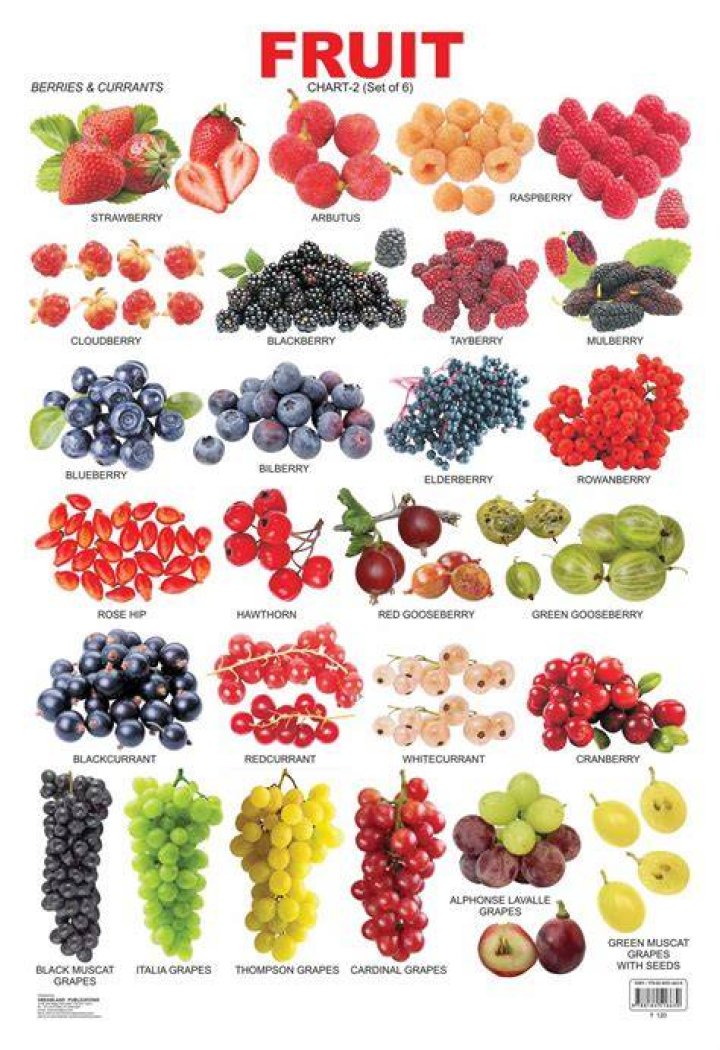
What Kind of Fruit Is This? Your Complete Identification Guide
 Sarah Marsh
 You're standing in an ethnic grocery store, farmer's market, or maybe your own backyard, staring at an unfamiliar fruit. Its color intrigues you. The shape seems almost alien. And you're wondering: what kind of fruit is this? You're not alone. With over 2,000 varieties of fruits grown worldwide, many of which never appear in typical supermarkets, fruit identification has become a common challenge for curious eaters, travelers, and home gardeners alike.
The question "what kind of fruit is this" gets typed into search engines millions of times each year. People photograph mysterious fruits at markets abroad, discover unusual specimens in their gardens, or receive exotic gifts from friends without labels. Some fruits look deceptively similar to others. Some change appearance dramatically as they ripen. And with global food distribution expanding rapidly, fruits from distant regions now appear in local markets without adequate labeling or explanation.
Why Fruit Identification Matters
Knowing exactly what fruit you're holding isn't just about curiosity. It's about safety. Some fruits that look edible are actually toxic. Others require specific preparation methods to remove harmful compounds. The ackee fruit, Jamaica's national fruit, can cause severe illness if eaten before fully ripe. Certain parts of otherwise edible fruits—like cherry pits or apple seeds—contain cyanide compounds.
Beyond safety, proper identification helps you understand nutritional value, optimal ripeness indicators, and preparation techniques. A persimmon picked too early tastes astringent and unpleasant. Wait until it's perfectly ripe? Pure sweetness. The difference between enjoying an exotic fruit and hating it often comes down to knowing what it is and how to eat it properly.
Visual Identification Techniques
Shape serves as your first identification clue. Fruits come in spheres, ovals, elongated cylinders, irregular lumps, and even star patterns when sliced crosswise. Dragon fruit displays an unmistakable oblong shape with dramatic scale-like protrusions. Starfruit reveals its identity the moment you cut through it crosswise.
Color provides another critical marker, though it can deceive. Many fruits change color as they ripen—mangoes shift from green to yellow, orange, or red depending on variety. Some fruits maintain green exteriors even when perfectly ripe, like certain avocado varieties. Others display multiple colors simultaneously, creating gradient effects or distinct patches.
Surface texture distinguishes similar-looking fruits. Smooth, waxy skin suggests citrus varieties or certain tropical fruits. Fuzzy exteriors point toward peaches, kiwis, or rambutans. Spiky or thorny surfaces indicate durian or certain palm fruits. Bumpy, warty textures characterize Buddha's hand citron or custard apples.
Using Your Other Senses for Identification
Smell reveals identity when visual cues fail. Press gently near the stem end and inhale. Ripe pineapples emit sweet, tropical aromatics. Durian produces an infamous odor that some describe as heavenly, others as resembling gym socks. Passion fruit smells floral and slightly musky. No scent at all? Your fruit might be unripe or belong to a less aromatic variety.
Touch tells you about internal structure without cutting. Firm fruits with slight give often indicate readiness to eat. Rock-hard specimens usually need more ripening time. Overly soft fruits have likely passed their prime. Some fruits, like persimmons, should feel nearly squishy when ripe. Others, like apples, maintain crispness throughout their edible life.
Weight relative to size provides surprising insight. Ripe watermelons feel heavy for their dimensions because they're filled with juice. Pomelos, despite being enormous, feel lighter than expected due to thick, spongy rinds. An unexpectedly heavy fruit generally contains more water and flesh. A light one might be dried out or have a thick peel with less edible content.
Common Fruits Mistaken for Each Other
Several fruit pairs cause regular confusion. Tangerines, mandarins, clementines, and satsumas all look similar. They're actually different varieties of the same species, with varying sweetness levels, seed content, and peel thickness. The distinctions matter to growers and culinary professionals but less to casual consumers.
Plantains and bananas perplex many shoppers. Both are bananas botanically, but plantains are starchier, larger, and require cooking in most preparations. Green bananas might resemble plantains, but plantains maintain their firmness and starchy quality even when their peels blacken.
Asian pears confuse people who expect pear texture but encounter apple crispness. These fruits, also called apple pears, combine pear flavor with crisp, juicy flesh that stays firm rather than softening like European pear varieties. They're round rather than pear-shaped, which adds to the confusion.
Digital Tools for Fruit Identification
Smartphone applications have revolutionized fruit identification. Apps like PlantNet, PictureThis, and iNaturalist use image recognition technology to identify fruits from photos. Point your camera at the mysterious fruit, snap a picture, and receive identification suggestions within seconds. These apps work best with clear, well-lit photos showing the fruit's distinctive features.
Reverse image search through Google Lens offers another powerful option. Photograph the fruit, run a reverse image search, and browse through similar images with labels. This method works particularly well for commercial fruits that appear frequently online. Less common wild or regional fruits might not have sufficient online presence for accurate identification through image search alone.
Online fruit identification communities provide human expertise. Facebook groups, Reddit forums like r/whatsthisplant, and specialized websites connect you with knowledgeable enthusiasts and agricultural experts. Upload a photo with details about where you found the fruit, and someone usually identifies it within hours.
Regional Fruit Varieties and Global Distribution
Geography dramatically influences which fruits you'll encounter. Tropical regions produce dragon fruit, mangosteen, and jackfruit. Mediterranean climates yield figs, pomegranates, and citrus varieties. Temperate zones grow apples, pears, and stone fruits like cherries and plums.
Immigrant communities often bring specialized fruits to new regions. Asian grocery stores in North America stock lychee, longan, and durian. Latin American markets offer mamey sapote, guanabana, and tuna (prickly pear fruit). Middle Eastern shops display dates, fresh figs, and multiple pomegranate varieties.
Climate change and agricultural innovation continually expand fruit growing regions. Avocados now grow in Sicily and Spain, regions once considered too cold. Tropical fruits appear in greenhouses across Europe. These distribution shifts mean you might encounter fruits far from their traditional growing regions.
Botanical Classification Basics
Understanding basic botanical categories helps narrow identification. Berries include many fruits you wouldn't expect—bananas, tomatoes, and grapes are true berries botanically, while strawberries and raspberries aren't. This scientific classification differs from culinary usage but explains some morphological similarities.
Drupes feature hard pits surrounded by flesh: peaches, plums, cherries, mangoes, and coconuts. Pomes have multiple seed chambers in their cores: apples, pears, and quince. Citrus fruits belong to a category called hesperidia, with segmented interiors and aromatic, oil-containing peels. Aggregate fruits like raspberries form from multiple ovaries of a single flower.
These classifications reveal relationships between seemingly different fruits. Once you recognize drupe characteristics, you can spot family resemblances across diverse species. The pit structure connects peaches to coconuts despite their vastly different appearances.
Safety Considerations When Identifying Unknown Fruits
Never eat an unidentified fruit. This rule sounds obvious but bears repeating. Some toxic fruits resemble edible ones closely enough to cause dangerous mistakes. Pokeweed berries look like dark grapes. Certain nightshade berries mimic edible fruits. European yew produces attractive red arils that are toxic despite their appealing appearance.
Research preparation requirements before consuming even identified fruits. Some need specific handling to remove toxins. Elderberries require cooking to break down harmful compounds. Bitter almonds contain cyanide precursors that make them dangerous raw. Certain tropical fruits cause allergic reactions in people sensitive to latex or specific proteins.
Check for local invasive species that produce fruit. Some regions experience problems with invasive plants bearing toxic or unpalatable fruits. Your local agricultural extension office maintains lists of problematic species. When foraging wild fruits, verify identification with multiple reliable sources before tasting anything.
Frequently Asked Questions
How can I identify a fruit from just a picture?
Use plant identification apps like PlantNet or Google Lens to run image recognition searches. Take clear, well-lit photos showing the fruit's size, color, shape, and surface texture. Include photos of the whole fruit and any distinctive features like stems, leaves, or cut cross-sections. Post images in online identification communities if apps don't provide confident matches. Include information about where you found the fruit, as geographic location helps narrow possibilities significantly.
What should I look for when trying to identify an exotic fruit at a market?
Examine shape, size, color, and surface texture first. Smell the fruit near its stem end for distinctive aromas. Ask market vendors or staff, who often have detailed knowledge about their inventory. Check for any labels or signs, even if they're in other languages—you can translate them with smartphone apps. Look for other shoppers selecting the same fruit and ask about their familiarity with it. Take a photo and search online before purchasing if you remain uncertain about the fruit's identity or preparation requirements.
Are there fruits that look safe to eat but are actually dangerous?
Yes, several toxic fruits resemble edible varieties. Pokeweed berries look similar to grapes but cause severe digestive distress. Yew berries appear as attractive red fruits but contain cardiotoxic compounds. Some nightshade species produce tomato-like fruits that are poisonous. Holly berries resemble certain edible berries but cause vomiting and diarrhea. This is why positive identification through reliable sources is essential before consuming any unfamiliar fruit. When in doubt, don't eat it. The risk far outweighs potential rewards when dealing with unknown specimens.
Building Your Fruit Identification Skills
Developing expertise takes time and exposure. Visit diverse grocery stores specializing in international foods. Farmers markets often feature unusual heirloom varieties and regional specialties. Botanical gardens with edible plant collections let you see fruits in growing conditions with proper labels.
Keep a personal fruit journal documenting new discoveries. Photograph each fruit, note where you found it, describe taste and texture, and record any preparation lessons learned. Over time, you'll build a reference library more valuable than generic field guides because it reflects fruits actually available in your area.
Study fruits seasonally. Many varieties appear only during specific months. Persimmons arrive in fall. Lychees peak in early summer. Stone fruits dominate mid-summer markets. Understanding seasonal patterns helps you anticipate and recognize fruits as they cycle through the year.
Final Thoughts
The question "what kind of fruit is this" opens doors to culinary adventure, botanical knowledge, and cultural exploration. Every unfamiliar fruit represents an opportunity to expand your palate and understanding. Modern technology makes identification easier than ever, but don't discount traditional methods—asking knowledgeable people, consulting reference books, and building experience through repeated exposure all remain valuable.
Approach fruit identification systematically. Use your senses to gather information. Employ digital tools for quick answers. Verify identifications through multiple sources before consuming anything unfamiliar. And always prioritize safety over curiosity. With practice, you'll move from confusion to confidence, recognizing fruits that once seemed mysterious and discovering that the world offers far more variety than any single supermarket can display.
