TikTok Teen Boys Are Redefining Fashion One Viral Video at a Time
 Matthew Sanders
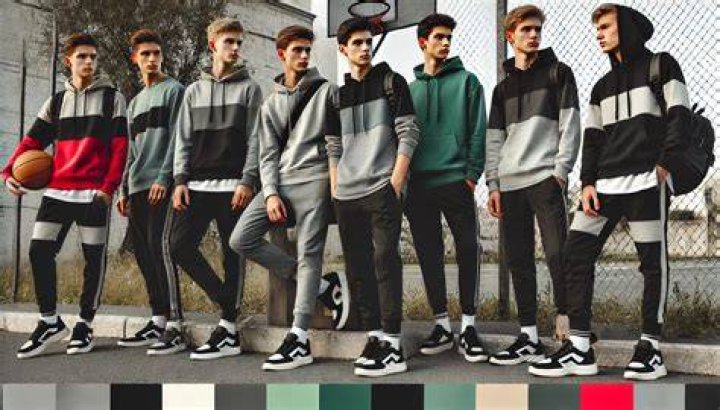
Scroll through TikTok for five minutes and you'll notice something striking. Teen boys aren't just consuming fashion content anymore—they're creating it, debating it, and completely reimagining what it means to dress well. The platform has become an unexpected runway where teenage guys experiment with everything from streetwear staples to thrifted vintage finds, all while racking up millions of views.
This shift represents more than fleeting internet trends. TikTok has democratized fashion advice, style inspiration, and clothing hauls in ways that traditional media never could. Boys who once relied on whatever their parents bought or what they saw in mall stores now curate outfits influenced by creators across continents. The algorithm serves up endless style possibilities, and teenage guys are responding with enthusiasm that's reshaping retail, influencing brands, and challenging decades-old assumptions about how young men engage with clothing.
How TikTok Became a Fashion Platform for Teenage Boys
The platform didn't start as a fashion destination. Early TikTok thrived on dance challenges and comedy skits. But as the user base matured and diversified, fashion content found its audience. Teenage boys discovered they could share outfit combinations, thrift store finds, and styling tips without the polished production values required by YouTube or Instagram.
Short-form video proved perfect for fashion. A 30-second clip showing how to style an oversized hoodie three different ways delivers more practical value than a 10-minute YouTube video with sponsorship segments. The format rewards creativity and authenticity over production budgets. A teen filming in his bedroom mirror can generate the same engagement as established fashion influencers, provided the content resonates.
Hashtags like #OOTD, #MensFashion, #ThriftFlip, and #FashionTok have billions of combined views. Teenage guys contribute heavily to these spaces, posting daily outfit checks, haul videos from stores like Zara and Uniqlo, and tutorials on achieving specific aesthetics. The community aspect keeps them engaged—comments sections buzz with questions about where to find similar pieces, how to size items, and whether certain combinations work.
Dominant Style Movements Among Teen Boys on TikTok
Several distinct fashion aesthetics have gained traction among teenage guys on the platform. Streetwear continues its dominance, but with refinements. Boys mix designer pieces with budget finds, creating looks that feel both aspirational and achievable. Brands like Stüssy, Carhartt, and Nike remain staples, but teens increasingly showcase how to recreate expensive looks with alternatives from H&M or thrift stores.
The "clean aesthetic" has exploded in popularity. This minimalist approach emphasizes neutral colors, simple silhouettes, and quality basics. Think well-fitted jeans, plain white tees, and understated sneakers. Creators demonstrate how restraint can make more impact than flashy logos, challenging the maximalist trends that dominated previous years.
Vintage and thrifted fashion represents another major movement. Teenage boys film shopping trips to Goodwill and local thrift stores, showcasing finds that range from 90s windbreakers to retro sports jerseys. This trend merges sustainability concerns with budget consciousness while allowing for unique personal style that can't be replicated by shopping at chain stores.
Gorpcore and tech wear have also found audiences among teen guys interested in functional fashion. These styles blend outdoor utility with urban aesthetics—cargo pants, technical fabrics, and layered looks that prioritize both form and function. Brands like The North Face and Arc'teryx frequently appear in these videos, though budget alternatives get equal attention.
The Economics Behind Teen Boys' TikTok Fashion Habits
Money matters significantly in how teenage guys approach TikTok fashion. Most don't have unlimited budgets, which makes the platform's emphasis on affordable alternatives particularly relevant. "Dupe" culture thrives here—creators regularly show how to achieve expensive looks using budget-friendly pieces.
Fast fashion retailers benefit enormously from this trend. Shein, ASOS, and Zara hauls perform consistently well, with teen boys showing what they ordered online and whether items matched expectations. These videos serve as unpaid advertising but also as honest consumer reviews, creating a feedback loop that influences purchasing decisions across the community.
Resale platforms like Depop, Grailed, and Vinted get frequent mentions. Teenage guys share tips for finding deals, authenticating items, and flipping pieces for profit. Some have turned this into side businesses, buying undervalued items at thrift stores and reselling them online after styling them in viral videos.
The economic literacy displayed in these videos shouldn't be underestimated. Boys discuss cost-per-wear, investment pieces versus trend items, and how to build a functional wardrobe on limited funds. This practical approach to fashion feels distinctly different from the aspirational, buy-everything-new mentality that traditional fashion media promoted.
How TikTok Fashion Differs from Previous Teen Style Influences
Before TikTok, teenage boys got fashion advice from limited sources. Magazines catered primarily to adults or girls. Television shows featured idealized versions of teen life with wardrobe budgets no actual teenager possessed. Mall shopping meant choosing from whatever local stores carried, with trends trickling down slowly from fashion capitals.
TikTok compressed this timeline to nothing. A look can go viral in Seoul on Monday and appear in American high schools by Friday. Geographic boundaries matter less when anyone with a phone can share their style and anyone else can recreate it. This global exchange happens constantly, with boys in small towns accessing the same inspiration as those in major cities.
The peer-to-peer nature changes everything. Teenage guys trust other teenage guys more than brands or adult influencers. When someone their age shows how they styled a piece, it feels achievable rather than aspirational. The authenticity—filming in bedrooms, showing real body types, discussing actual budgets—builds credibility that polished advertising never could.
Experimentation became normalized. Boys who might have felt pressure to stick with safe, conventional clothing now see thousands of peers trying bold colors, unusual silhouettes, and mixing styles in unexpected ways. The platform's format encourages this—a video that doesn't land can disappear into the algorithm, while successful experiments can launch entire trends.
The Role of Fashion Subcultures and Identity Expression
TikTok fashion for teenage guys isn't monolithic. Subcultures flourish, each with distinct aesthetics and communities. E-boy style, characterized by striped long-sleeves, chains, and alternative music influences, maintains a dedicated following. Skater fashion continues evolving with influences from brands like Supreme and Palace mixing with thrift finds.
Academic aesthetics—dark academia, light academia—appeal to boys interested in vintage-inspired, scholarly looks. These styles feature cardigans, dress pants, oxford shoes, and earthy tones or muted colors. The aesthetic ties into broader interests in literature, classical music, and art, demonstrating how fashion on TikTok connects with identity beyond just clothing.
Athletic and athleisure wear dominates for boys prioritizing comfort and functionality. But even here, the TikTok influence shows. Instead of generic athletic shorts and tees, boys style athletic pieces with attention to color coordination, fit, and brand mixing. The line between gym wear and everyday fashion continues blurring.
Gender expression through fashion has found particularly welcoming space on TikTok. Boys experiment with traditionally feminine pieces—painted nails, jewelry, even skirts—in ways that previous generations might have found difficult. The platform's diversity of content and supportive communities enable this exploration, though not without pushback in comment sections.
Brand Responses and Marketing to Teen Boys on TikTok
Fashion brands quickly recognized TikTok's influence on teenage boys' purchasing decisions. Many now maintain active presences on the platform, though success requires understanding the medium. Overly polished, advertising-heavy content typically underperforms. Brands that succeed adopt authentic, creator-friendly approaches.
Influencer partnerships work when they feel genuine. Brands send pieces to popular teen creators who integrate them naturally into their content rather than delivering scripted promotions. This soft-sell approach resonates better with audiences skeptical of traditional advertising. The most successful campaigns feel like organic recommendations from trusted sources.
Some brands engage directly through challenges and hashtags. A clothing company might challenge users to style a single piece three different ways, generating user content that serves as both advertising and community engagement. These campaigns work because they invite participation rather than just soliciting purchases.
Fast fashion companies adapted most quickly, with their business models already aligned with rapid trend cycles. They monitor viral looks and produce similar items within weeks, sometimes days. This responsiveness appeals to teen boys wanting to participate in trends while they're current, even as it raises questions about sustainability and originality.
Practical Impact on How Teen Boys Actually Dress
The real test is whether TikTok fashion translates from screens to streets. Evidence suggests it does. High school teachers and parents report noticeable shifts in how teenage boys dress, with more attention to coordination, fit, and personal style than previous generations typically showed at similar ages.
Boys spend more time planning outfits, consulting TikTok for inspiration before school, events, or social gatherings. The platform functions as a constantly updating style guide, offering solutions for specific situations—first date outfits, job interview clothing, or just elevated everyday looks.
Thrift shopping has genuinely increased among teenage guys, driven partly by TikTok content normalizing secondhand clothing. What once might have carried stigma now represents savvy shopping and environmental consciousness. Boys hunt for specific vintage pieces they've seen styled in videos, turning thrifting into a hobby beyond just saving money.
Confidence appears to increase as boys develop personal style. Multiple studies on adolescent development note connections between self-expression through clothing and self-esteem. TikTok provides tools and inspiration that help teenage guys develop this aspect of identity in ways that feel authentic to them rather than imposed by parents or limited by local retail options.
Challenges and Criticisms of TikTok Teen Fashion Culture
Not everyone celebrates these developments. Critics point to overconsumption encouraged by constant content showing new purchases. Even when featuring thrift finds or budget items, the volume of fashion content can promote buying mentality that conflicts with sustainability messaging many creators also share.
Body image concerns exist here too. While TikTok fashion shows more diverse body types than traditional media, certain looks require specific physiques to achieve as shown. Teenage boys comparing themselves to edited, idealized versions in videos may experience pressure similar to what girls face on Instagram.
The fast pace of trend cycles creates pressure to constantly update wardrobes. Something viral this month might feel dated next month, pushing consumption patterns that aren't financially or environmentally sustainable. Boys on limited budgets may feel excluded from participating in communities that seem to require constant new purchases.
Authenticity questions arise as the space becomes more commercialized. When popular creators secure brand deals and sponsorships, followers sometimes question whether recommendations remain genuine or become paid promotions. The line between organic content and advertising blurs, making it difficult for teenage audiences to distinguish authentic style advice from marketing.
Frequently Asked Questions
What are the most popular fashion styles for teen boys on TikTok right now?
Clean minimalist aesthetics dominate currently, featuring neutral colors, simple silhouettes, and quality basics. Streetwear remains strong with brands like Nike, Carhartt, and Stüssy appearing frequently. Vintage thrifted fashion has substantial following, as does gorpcore and tech wear. The platform's diversity means multiple aesthetics coexist, allowing boys to find communities aligned with their personal style preferences rather than following a single dominant trend.
How much do teenage boys typically spend on fashion influenced by TikTok?
Spending varies enormously based on individual circumstances. Many focus on budget-friendly options, with monthly clothing budgets ranging from $50 to $200. Thrift shopping, fast fashion retailers, and sale hunting help stretch budgets. Some boys invest in specific higher-quality pieces while filling out wardrobes with affordable basics. The platform's emphasis on styling and creativity rather than expensive items means impressive looks are achievable at various price points.
Is TikTok fashion for teen boys just a trend or a lasting change?
The platform itself may evolve or be replaced, but the underlying changes appear lasting. Teenage boys have developed sustained interest in fashion as self-expression, supported by communities and resources that didn't previously exist. The democratization of style advice and global trend access represents a structural shift in how young men engage with clothing. Even if TikTok fades, the attitudes and behaviors it fostered will likely persist through whatever platforms come next.
Final Thoughts
TikTok transformed how teenage guys think about, discuss, and wear clothing. What started as a video-sharing app became an unexpected fashion revolution, giving boys tools, inspiration, and communities that previous generations lacked. The emphasis on affordability, creativity, and authenticity resonates with how teenagers actually live rather than aspirational fantasies.
This matters beyond fashion. When boys develop confidence in expressing themselves through clothing, they're building broader skills in decision-making, aesthetic judgment, and identity formation. TikTok fashion culture, for all its commercialization and contradictions, offers teenage guys permission to care about how they present themselves without judgment—something many previous generations of young men never experienced. The clothes matter less than the confidence to choose them.
