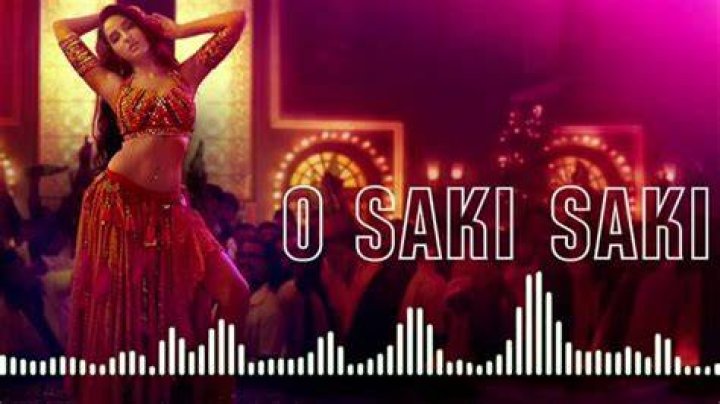
Saki Saki Song Remix: Evolution of a Bollywood Dance Anthem
 Emma Payne
The Saki Saki song has become one of Bollywood's most remixed tracks, transcending generations with its infectious beat and memorable choreography. What started as a chart-topping number in 2004 has evolved into a global phenomenon, spawning countless remix versions that fill dance floors from Mumbai to Manchester. This track's journey reflects how Bollywood music adapts and thrives in the digital age.
Originally featured in the film "Musafir," the song launched with Koena Mitra's captivating performance and Sukhwinder Singh's powerful vocals. Fast forward to 2019, and the track got a complete makeover for "Batla House," introducing it to an entirely new audience. Between these two versions and beyond, DJs and producers worldwide have created their own interpretations, each adding unique flavor while preserving that unmistakable hook.
The Original Saki Saki and Its Cultural Impact
When "Musafir" released in 2004, Saki Saki became an instant sensation. Composed by Vishal-Shekhar with lyrics by Sameer, the song combined traditional Bollywood elements with contemporary dance beats. The choreography became iconic, imitated at weddings, parties, and dance competitions across South Asia and among diaspora communities globally.
The track's popularity stemmed from its perfect balance. Sukhwinder Singh's vocals brought raw energy. The percussion drove home an irresistible rhythm. And the lyrics, while simple, created an earworm effect that kept listeners returning. This combination made it ripe for reinterpretation by a new generation of music producers.
The 2019 Official Remix That Reignited Interest
Fifteen years after the original, filmmakers Bhushan Kumar and Nikkhil Advani decided to recreate Saki Saki for "Batla House." They brought in Tanishk Bagchi, Bollywood's remix specialist, to reimagine the track. Neha Kakkar and Tulsi Kumar provided vocals, while Nora Fatehi delivered show-stopping choreography that went viral across social media platforms.
This official remix introduced significant changes. The tempo increased slightly, matching modern club preferences. Electronic elements replaced some traditional instruments. The arrangement became tighter, designed for streaming platforms where listener attention spans have shortened. Critics debated whether these changes honored or diluted the original, but commercial success spoke for itself.
Within weeks, the remix accumulated hundreds of millions of views on YouTube. TikTok users created thousands of dance videos. Instagram reels featured the track constantly. The remix had achieved what producers hoped for—making a classic relevant for Gen Z while maintaining enough familiarity to please longtime fans.
Independent Remix Versions and DJ Interpretations
Beyond the official remake, independent producers have released dozens of Saki Saki remixes. These range from EDM club mixes to acoustic versions, from trap remixes to bhangra fusion interpretations. Each brings a different perspective to the material.
DJ Chetas, known for Bollywood remixes, created a high-energy club version that emphasizes the bass line and adds dramatic drops. DJ Shadow Dubai produced a Middle Eastern-influenced mix that incorporates Arabic percussion elements. Underground producers on SoundCloud have experimented with everything from lo-fi hip-hop versions to aggressive hardstyle remixes.
This variety demonstrates the song's versatility. The core melody and rhythm pattern work across genres, a testament to strong composition. Producers recognize this adaptability, knowing their remix has a built-in audience while allowing creative freedom.
Why Saki Saki Remains Popular for Remixing
Several factors explain why producers keep returning to this particular track. The original recording quality was excellent, providing clear stems for manipulation. The song's structure follows patterns familiar to electronic dance music, making transitions natural. The vocal hook is distinctive enough to remain recognizable even when heavily processed.
From a marketing perspective, remixing established hits carries less risk than promoting entirely original material. Audiences already know and love the song, reducing the effort needed to capture attention. Algorithms on streaming platforms favor recognizable content, giving remixes visibility advantages.
The choreography factor cannot be ignored either. Dance challenges drive enormous engagement on social platforms. Saki Saki's moves are complex enough to showcase skill but learnable enough for casual participants. This balance creates perfect conditions for viral content, which in turn drives streams of the remix tracks.
Technical Elements That Define Saki Saki Remixes
Most Saki Saki remixes share certain technical characteristics. Producers typically preserve the distinctive "Saki Saki" vocal hook, often pitching or processing it for freshness. The percussion pattern gets updated with modern drum samples, tighter compression, and side-chain effects common in contemporary production.
Tempo modifications vary widely. Club versions often push toward 128 BPM, the standard for commercial dance music. Trap remixes might slow down to 75-85 BPM to accommodate the genre's requirements. Bhangra versions maintain energetic tempos around 120-130 BPM to match traditional dhol patterns.
Many remixes incorporate breakdown sections not present in the original, allowing DJs to mix smoothly or building tension before drops. Synthesizer lines often replace or augment traditional instruments. Bass frequencies receive special attention, with producers adding sub-bass elements designed for modern sound systems and headphones.
Global Reach Beyond South Asian Audiences
While Saki Saki originated in Bollywood, remixes have found audiences far beyond South Asian communities. European club DJs have incorporated versions into sets, appreciating the exotic flavor and energetic vibe. Latin American audiences, already familiar with Bollywood through dance troupes, have embraced the track.
This cross-cultural appeal demonstrates music's universal language. The melody's Middle Eastern influences resonate with Arab listeners. The rhythm patterns appeal to anyone who enjoys dance music. Streaming data shows significant listenership in unexpected markets, from Brazil to Russia, from Indonesia to South Africa.
The visual component amplifies this reach. Choreography videos featuring the song transcend language barriers. Dancers worldwide learn and perform these routines, creating a global community connected by movement and music. Social media algorithms recognize this engagement, further promoting content to diverse audiences.
Copyright and Legal Considerations
The proliferation of Saki Saki remixes raises interesting copyright questions. Official remixes like the 2019 version involved proper licensing and permissions from rights holders. Independent producers operate in a grayer area, with some securing licenses while others release tracks without formal authorization.
Platforms like YouTube and Spotify have content ID systems that detect copyrighted material. When remixes use substantial portions of the original recording, these systems typically flag the content. Rights holders can then monetize, block, or claim revenue from these uploads. Many independent remixes remain available because record labels prefer monetization over removal, recognizing the promotional value.
Producers serious about commercial release must navigate synchronization licenses, mechanical licenses, and master recording permissions. The complexity and cost discourage many amateur producers, explaining why countless remixes exist on SoundCloud and YouTube but fewer appear on major streaming platforms like Apple Music or Amazon Music.
The Role of Social Media in Remix Popularity
Instagram Reels and TikTok have transformed how remixes gain traction. Short-form video content demands punchy, recognizable music that works in 15-30 second clips. Saki Saki's structure, with its immediate hook and driving beat, fits this format perfectly.
Influencers and content creators use various Saki Saki remixes for fashion videos, dance challenges, and comedic sketches. Each use introduces the music to new listeners who might then seek out the full track. This creates a feedback loop where social media drives streaming numbers, which in turn encourages platforms to recommend the content to more users.
Hashtag campaigns around specific remix versions generate collective momentum. When a particular remix gains traction, thousands of users create content featuring that version, temporarily dominating feeds and discovery pages. Producers increasingly design remixes with this use case in mind, structuring drops and hooks to maximize impact in short clips.
Production Tools and Accessibility
Modern music production software has democratized remix creation. Programs like FL Studio, Ableton Live, and Logic Pro provide professional-quality tools at consumer prices. YouTube tutorials teach techniques specific to Bollywood remixes, lowering barriers for aspiring producers.
Sample packs containing Bollywood percussion, traditional instruments, and vocal chops have become widely available. These resources allow producers without access to live musicians to create authentic-sounding remixes. Plug-ins emulate expensive hardware, making professional sound quality achievable in bedroom studios.
This accessibility explains the sheer volume of Saki Saki remixes. Talented producers from small towns can create and upload versions that compete with established DJs. The best work rises through organic engagement rather than marketing budgets, creating opportunities for unknown artists to build followings.
Comparing Remixes: What Sets Them Apart
Examining multiple Saki Saki remixes reveals how producers differentiate their work. Some focus on maximizing energy for peak-hour club play, sacrificing subtlety for impact. Others create atmospheric versions suitable for lounges or pre-party settings, emphasizing melody over percussion.
Vocal treatment varies significantly. Some remixes heavily process the original vocals with Auto-Tune, distortion, or vocoding effects. Others preserve vocal clarity while updating the instrumental backing. A few versions feature entirely new vocal performances, reinterpreting lyrics or adding verses in different languages.
Instrumentation choices define much of each remix's character. Producers might emphasize synthesizers for futuristic sounds, incorporate live guitars for organic texture, or layer traditional instruments like tabla and sitar with electronic elements. These decisions signal the target audience and intended context for the music.
Commercial Success and Streaming Numbers
The 2019 official remix has generated massive streaming numbers across platforms. On YouTube alone, the music video crossed 800 million views within its first few years. Spotify streams numbered in the hundreds of millions. These figures translate to substantial revenue for rights holders through advertising and subscription-based streaming payments.
Independent remixes achieve more modest but still impressive numbers. Popular DJ versions might accumulate 5-20 million streams across platforms. Even amateur productions occasionally break through with viral moments, suddenly jumping from thousands to millions of plays when featured in popular social media content.
This commercial viability encourages continued remix production. Producers recognize that even without official licensing, a successful Saki Saki remix can build their reputation, attract followers, and lead to paid opportunities. The song has become something of a proving ground—if a producer can create a compelling Saki Saki remix, they demonstrate skills applicable to original productions.
Cultural Preservation Through Modern Reinterpretation
Remixing serves an interesting cultural function beyond entertainment and commerce. Each new version introduces younger generations to Bollywood music traditions they might otherwise miss. A teenager discovering the 2019 remix might explore the 2004 original, creating intergenerational musical connections.
This process keeps cultural artifacts alive and relevant. Rather than relegating classics to nostalgia, remixes allow them to compete in contemporary music markets. The practice honors the original while acknowledging that tastes and production standards evolve. It's a form of musical conversation across time.
Diaspora communities particularly benefit from this dynamic. Second and third-generation South Asians abroad often feel disconnected from their heritage. Modern remixes of Bollywood classics provide accessible entry points, culturally significant yet stylistically aligned with Western music they already consume. Saki Saki serves as a bridge between cultures and generations.
Frequently Asked Questions
What is the most popular Saki Saki remix?
The 2019 official remix from "Batla House" featuring Nora Fatehi remains the most popular version, with over 800 million YouTube views. Among independent remixes, versions by DJ Chetas and DJ Shadow Dubai have gained substantial followings in the club scene and among streaming audiences.
Can I legally create my own Saki Saki remix?
Creating a remix for personal use or private sharing falls into a legal gray area. However, publicly distributing or monetizing a remix without proper licensing from copyright holders violates intellectual property laws. Producers seeking commercial release should contact rights holders through music publishers or licensing agencies to obtain necessary permissions and negotiate royalty arrangements.
Why do producers keep remixing the same songs?
Established hits like Saki Saki offer several advantages for producers. The built-in audience recognition reduces marketing costs and improves discoverability on streaming platforms. Strong melodies and song structures provide solid foundations for reinterpretation. Successfully remixing a popular track demonstrates production skills while carrying less financial risk than promoting entirely original material. The practice also serves audiences who want familiar music updated with contemporary production styles.
The Future of Saki Saki Remixes
As music production technology continues advancing and social media platforms evolve, Saki Saki will likely see further reinterpretation. Emerging technologies like AI-assisted production tools might enable even more creative variations. Virtual reality concerts and metaverse events could inspire remixes designed for these new contexts.
The song's core appeal—its infectious melody, driving rhythm, and cultural significance—ensures continued relevance. Future producers will approach it with fresh perspectives shaped by evolving musical trends. Perhaps a jazz interpretation, a classical orchestral arrangement, or a fusion with genres not yet mainstream.
What remains constant is the track's ability to bring people together through movement and sound. Whether playing at a wedding in Delhi, a nightclub in London, or through earbuds in São Paulo, Saki Saki continues connecting diverse audiences. Its remix journey demonstrates how great music transcends original context, adapting and thriving across eras, borders, and technologies. The remixes aren't simply repetitions—they're conversations between past and present, tradition and innovation, honoring what came before while imagining what comes next.