Michael Jackson Fans Falling: Understanding Concert Crowd Incidents
 Ava White
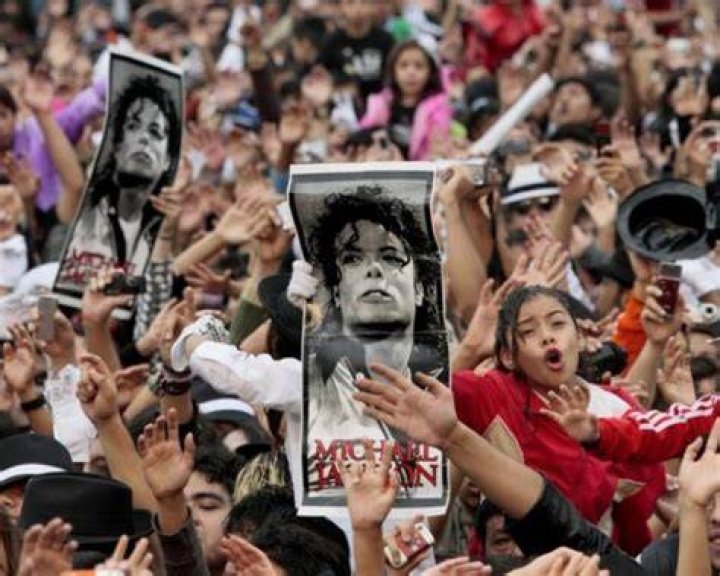
 Throughout Michael Jackson's career, concerts frequently turned into scenes of mass emotional and physical reactions. Fans fainting, collapsing, and falling became so common at his shows that medical teams stationed themselves throughout venues as standard protocol. Videos from tours spanning the 1980s through the 2000s show stretchers carrying unconscious audience members out of stadiums while the King of Pop continued performing.
This phenomenon wasn't limited to a single tour or country. From Wembley Stadium in London to arenas across Asia, South America, and the United States, medical staff treated thousands of fans who became overwhelmed during performances. The scale of these incidents raised questions about crowd psychology, venue safety, and the unprecedented cultural impact of Jackson's stardom.
The Scale of Fan Reactions at Michael Jackson Concerts
Concert footage and documented reports reveal the extraordinary nature of these events. During the Bad World Tour (1987-1989), Dangerous World Tour (1992-1993), and HIStory World Tour (1996-1997), medical personnel treated hundreds of fans per show in major venues. Some concerts saw dozens of audience members carried out within the first thirty minutes.
Security and medical staff became specialized in handling what they called "MJ syndrome." Venues hosting Jackson concerts tripled their usual medical response teams. St. John Ambulance brigades in the UK reported treating more fans at single Jackson concerts than at multi-day music festivals. The Bucharest concert in 1992, later released as a concert film, showed visible moments where multiple fans collapsed simultaneously in different sections of the crowd.
These weren't isolated fainting spells. Witnesses described waves of fans falling like dominoes, particularly during emotional performances of songs like "She's Out of My Life" or high-energy numbers where Jackson executed his signature moves. The combination of hours-long waits before shows, packed stadium conditions, and the intensity of the performance itself created a perfect storm.
Why Michael Jackson Fans Were Falling
Medical professionals who worked these events identified several contributing factors. Dehydration topped the list, especially during outdoor summer concerts where fans waited in heat for hours without adequate water access. Many venues in the 1980s and 1990s lacked the hydration stations now considered standard at large events.
Hyperventilation from screaming played a significant role. The sound levels at Jackson concerts were extraordinary, not from the amplification system alone but from sustained audience screaming. Fans who screamed continuously throughout performances experienced reduced oxygen intake, leading to dizziness and fainting. Medical teams reported treating fans showing classic hyperventilation symptoms: numbness in extremities, light-headedness, and sudden collapse.
Crowd compression created dangerous conditions in general admission areas. Before modern crowd management techniques, fans pushed forward continuously, creating pressure that made breathing difficult. Those trapped in the middle of crowds couldn't escape even when feeling unwell. The crush at the front barriers was so intense that fans were lifted off their feet by the surrounding pressure.
Emotional overwhelm represented another factor. Psychologists studying fan behavior noted that some individuals experienced such intense emotional reactions that their bodies shut down. The combination of anticipation built over months, the sudden proximity to an idolized figure, and the sensory overload of lights, sound, and movement triggered physiological responses including fainting.
Concert Safety Measures and Industry Response
Jackson's tours prompted significant changes in concert safety protocols. Venues began requiring more comprehensive medical staffing. The British Red Cross and St. John Ambulance developed specific training for handling mass casualty incidents at entertainment events, using Jackson concerts as case studies.
Promoters implemented new crowd control strategies. Water stations became mandatory in more locations. Security personnel received training to identify distressed fans early. Some venues created designated "cool down" areas where overheated or overwhelmed fans could recover without leaving the event entirely.
Jackson himself was aware of these incidents. He occasionally paused performances to direct lights on fans needing help, signaling security to provide assistance. His team worked with venue management to improve conditions, though the sheer scale of fan reactions made prevention challenging. Some stops on later tours included pre-show announcements encouraging fans to stay hydrated and alert security if feeling unwell.
The phenomenon influenced how the entertainment industry approached mega-concerts. Modern arena shows incorporate lessons learned from these events: better ventilation systems, stricter capacity limits in standing areas, more accessible medical stations, and improved communication between security staff and medical teams.
Cultural and Psychological Dimensions
The mass reactions at Jackson concerts reflected something deeper than poor venue conditions. Cultural historians point to the unique position Jackson occupied in global popular culture. He transcended typical celebrity status to become an almost mythological figure for millions. His influence spanned cultures, languages, and generations in ways few entertainers achieved.
For many fans, attending a Jackson concert represented a once-in-a-lifetime event. People saved for years, traveled across continents, and invested enormous emotional energy into the experience. That level of anticipation created psychological conditions where normal physiological responses became amplified.
Social contagion also played a role. Seeing others faint or become emotional lowered inhibitions for those already feeling overwhelmed. What started as individual reactions could cascade through sections of the crowd. Researchers studying crowd behavior observed that emotional displays became normalized and even expected at Jackson shows, creating a feedback loop.
The phenomenon also occurred against a backdrop of limited digital access to entertainers. Before smartphones and social media, concerts offered rare opportunities to see famous performers in person. The gap between mediated celebrity and physical presence was wider, making the live experience more intense.
Comparing Past and Present Concert Experiences
Modern concerts by major artists rarely see the same scale of fan collapses. Several factors explain this shift. Improved venue infrastructure provides better ventilation, more space, and easier access to water and medical care. Social media and streaming have reduced the scarcity factor that made live shows feel so irreplaceable.
Contemporary artists also approach fan interaction differently. While many performers have devoted followings, the cultural moment that created Jackson's level of global mania hasn't been replicated. Today's fragmented media landscape makes it harder for any single artist to achieve the universal recognition Jackson enjoyed during his peak years.
Event organizers now use sophisticated crowd monitoring technology. Thermal cameras detect areas where crowd density becomes dangerous. Communication systems allow instant coordination between security teams. Medical staff have access to real-time data about crowd conditions. These systems were developed partly in response to incidents at earlier mega-concerts, including Jackson's tours.
Fan culture itself has evolved. While enthusiasm remains high for popular artists, the expression of fandom has shifted toward online communities and digital interaction. The intense, sustained screaming characteristic of 1980s and 1990s concerts is less common. This change in behavior reduces some physical risk factors while raising new questions about how audiences connect with performers.
Frequently Asked Questions
Did Michael Jackson's performances actually cause fans to faint?
Yes, fans regularly fainted and collapsed at Jackson concerts throughout his career. Medical teams treated hundreds of fans per show during his major tours. The causes included dehydration, hyperventilation from sustained screaming, crowd compression, and emotional overwhelm. While Jackson's performance was a catalyst, multiple environmental and physiological factors contributed to these incidents.
Were these incidents unique to Michael Jackson concerts?
While fan fainting occurred at other concerts, the scale at Jackson shows was exceptional. The Beatles experienced similar phenomena during Beatlemania in the 1960s, but Jackson's tours in the 1980s and 1990s saw larger numbers due partly to bigger venues and longer tours. Few contemporary artists generate the same level of mass physical response from audiences.
How did venues prepare for Michael Jackson concerts?
Venues hosting Jackson increased medical staff significantly, often tripling normal numbers. They coordinated with organizations like St. John Ambulance and the Red Cross to provide specialized teams. Stretchers, first aid stations, and emergency vehicles were positioned throughout venues. Security received briefings on identifying and extracting distressed fans quickly. These preparations became standard protocol for his tours after early shows revealed the scale of medical needs.
The Legacy of Concert Safety Evolution
The fan reactions at Michael Jackson concerts left lasting impacts on the live entertainment industry. What seemed like isolated incidents specific to one performer's appeal actually revealed systemic issues in how large-scale concerts were managed. The solutions developed in response now protect audiences at events worldwide.
Modern festival and arena safety protocols incorporate lessons from these experiences. Crowd density monitoring, mandatory medical staffing ratios, accessible hydration, and evacuation procedures all evolved partly from understanding what went wrong—and what worked—at Jackson's shows. The entertainment industry learned that managing crowd safety required anticipating not just physical hazards but psychological and emotional factors.
These incidents also document a unique cultural moment. The intensity of fan reactions reflected Jackson's unprecedented global impact and the nature of celebrity before digital saturation. While contemporary artists draw massive audiences, the specific conditions that led to mass fainting at concerts may never fully repeat. The phenomenon remains a striking example of how performance, psychology, and infrastructure intersect in live entertainment.
