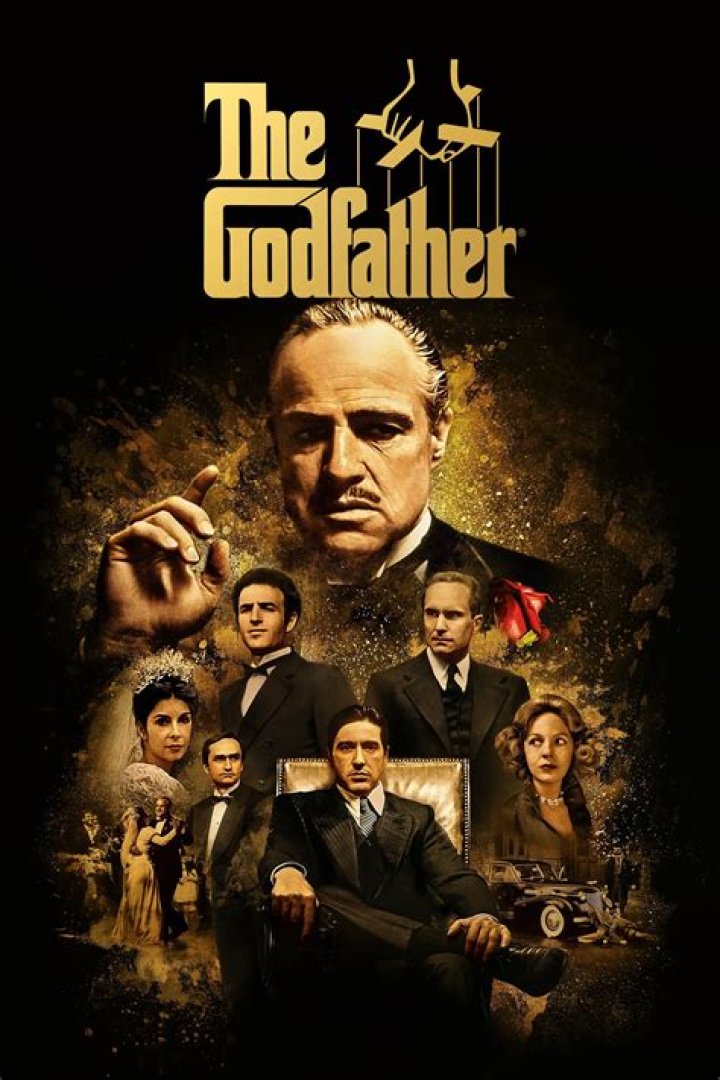
The Mafia Godfather Knelt All Night: An Act of Devotion and Power
 James Craig
The image of a mafia godfather kneeling through the night captures something profound about organized crime culture. It's not just about violence or intimidation. These moments reveal the complex web of tradition, spirituality, and power that defined mob life for generations. When a boss knelt for hours in prayer or vigil, it sent messages to both heaven and earth.
This practice reflects the paradox at the heart of Cosa Nostra. Men who ordered executions would spend entire nights on their knees before statues of saints. They justified brutal acts while maintaining fierce Catholic devotion. The contradiction wasn't lost on them, but faith and criminality coexisted in ways outsiders struggle to understand.
Historical Context of Mafia Religious Practices
Sicilian organized crime emerged from a deeply Catholic society. The original mafiosi saw themselves as men of honor operating outside corrupt governmental systems. Religion wasn't just window dressing—it formed the foundation of their worldview and oath-taking ceremonies.
The initiation ritual itself borrowed heavily from Catholic imagery. New members would hold burning holy cards while swearing omertà, the code of silence. Blood and religious symbolism merged during these ceremonies. Bosses frequently consulted with priests, attended daily Mass, and funded church renovations. Some maintained private chapels in their homes.
Carlo Gambino, one of New York's most powerful bosses, was known for his daily attendance at Mass. He carried rosary beads and considered himself a devout Catholic despite his criminal empire. This wasn't hypocrisy in his mind—it was compartmentalization. Business remained separate from faith, even when business meant murder.
The Meaning Behind Kneeling All Night
When the mafia godfather knelt all night, the act carried multiple layers of meaning. On the surface, it demonstrated penance for sins committed. Catholic tradition includes vigils as forms of devotion and atonement. Spending hours in prayer showed humility before God, even if the same man showed none toward his enemies.
But there was also a strategic element. Subordinates witnessed their leader's devotion, which reinforced his moral authority within the organization. If the boss could maintain such discipline and faith, it suggested divine favor. Superstition ran deep in mob culture. Many believed success came partly from supernatural protection.
The practice also occurred before major decisions. A boss facing a particularly difficult choice—approving a hit on a close associate, navigating law enforcement pressure, or resolving internal disputes—might kneel through the night seeking guidance. Whether this came from genuine spiritual struggle or calculated theater varied by individual.
Notable Instances in Mafia History
Vito Genovese reportedly spent an entire night in prayer before fleeing to Italy to avoid murder charges in 1937. Associates described him as deeply conflicted, alternating between rage at his situation and desperate appeals to the Virgin Mary. He kept a shrine in his home where he would kneel for hours.
Salvatore Riina, the brutal Sicilian boss responsible for hundreds of murders, maintained an intense religious practice. Despite his nickname "The Beast," he regularly spent nights in prayer. This contradiction exemplifies the psychological compartmentalization common among mafia leaders. They genuinely believed they could commit atrocities while maintaining God's favor through devotion.
Even in American mob history, all-night vigils appeared during crises. When indictments loomed or internal wars threatened, bosses would retreat to private chapels. These weren't public displays—family members or close associates might glimpse them, but the act remained largely personal.
Cultural Significance Within Cosa Nostra
The relationship between organized crime and Catholicism runs deeper than simple contradiction. In southern Italy, the Church represented one of few stable institutions in regions where government authority remained weak or corrupt. The mafia positioned itself as an alternative power structure, but one that respected and incorporated religious tradition.
Faith provided psychological comfort for men living violent lives. Many genuinely feared damnation while simultaneously believing their actions served a higher code of honor. The cognitive dissonance required elaborate mental frameworks. Kneeling all night became part of maintaining those frameworks—physical endurance proving spiritual commitment.
Omertà itself borrowed from confessional secrecy. Just as Catholics confessed sins to priests who couldn't reveal them, mafiosi confessed nothing to authorities. The parallel wasn't accidental. Crime families deliberately wrapped themselves in religious language and ritual, creating an alternative moral universe where their rules superseded civil law.
Psychological Dimensions
Modern psychology offers insights into how the mafia godfather knelt all night while ordering murders. Moral disengagement theory explains how individuals commit harmful acts while maintaining positive self-images. Religious ritual provides one mechanism for this separation.
The physical act of kneeling for hours creates genuine suffering. Pain becomes penance. A boss might rationalize that his prayers and physical discomfort atoned for violence he considered necessary. The distinction between necessary and optional violence remained crucial in mob morality—betrayers and informants "deserved" death, making their execution less sinful.
Sleep deprivation during all-night vigils also altered consciousness. Fatigue combined with repetitive prayer could induce trance-like states where divine communication seemed possible. Whether genuine spiritual experience or exhaustion-induced hallucination, these moments felt real to participants.
The Decline of Traditional Practices
Modern organized crime operates differently. RICO prosecutions decimated traditional family structures. Younger mobsters often lack the cultural connection to Sicily and southern Italy that defined earlier generations. Religious devotion has weakened across all demographics, including criminal ones.
Wiretaps and surveillance made private religious practices dangerous. Prosecutors used recorded conversations about religious observances to establish conspiracy timelines. What once seemed sacred and separate became evidence. The FBI learned to distinguish genuine devotion from coded language—sometimes bosses discussed "going to church" as euphemism for meetings.
Financial crimes replaced territorial violence as primary activities for surviving families. White-collar criminals typically lack the romanticized honor codes of earlier eras. Corporate fraud requires different skills than street enforcement. The cultural practices that included all-night prayer vigils faded with the old guard.
Media Portrayals and Reality
Films like "The Godfather" captured some authentic elements of mob religiosity. The opening wedding scene shows religious imagery throughout. Later, Michael Corleone becomes his nephew's godfather during the baptism intercut with assassinations—cinematic shorthand for the faith-violence paradox.
However, Hollywood often exaggerates or simplifies. Real mafia religious practices were more mundane and less dramatic than films suggest. Bosses didn't typically pray immediately before murders or seek theatrical absolution. Their faith existed in a separate mental space from their crimes, not as immediate commentary on them.
True crime books and documentaries provide more nuanced pictures. Interviews with former members reveal the genuine struggle some experienced. Not all mobsters were hypocrites—some genuinely agonized over their choices while feeling trapped by circumstances and loyalty codes.
Frequently Asked Questions
Did mafia bosses really spend entire nights praying?
Yes, historical accounts from both law enforcement and former members confirm this practice. While not universal, many prominent bosses maintained intense religious devotions including all-night prayer vigils. These occurred most frequently before major decisions or during crises. The practice was more common among Sicilian-born bosses and those who maintained strong cultural ties to southern Italy.
How did they justify violence while being religious?
Mafiosi used several psychological mechanisms. They distinguished between "honorable" violence against criminals and "dishonorable" violence against innocents. Many believed their actions maintained order in communities where government failed. Some rationalized that penance and devotion could atone for necessary sins. Others simply compartmentalized, keeping faith and business in separate mental categories without attempting reconciliation.
Is this practice still common in modern organized crime?
No, it has largely disappeared. Younger generations of criminals lack the cultural context and religious devotion of earlier eras. Surveillance makes private rituals risky as prosecutors use any recorded activity to build cases. Modern organized crime focuses more on financial schemes than territorial control, attracting different personality types. The romanticized honor codes that included religious observation have mostly vanished.
Final Thoughts
When the mafia godfather knelt all night, it revealed the strange intersection of violence and faith that characterized traditional organized crime. These men weren't simply hypocrites—they operated within complex moral frameworks that allowed genuine religious devotion alongside brutal criminality. The practice reflected Sicilian culture, Catholic tradition, and the psychological need to find meaning in violent lives. While mostly disappeared today, it remains a fascinating window into how humans reconcile contradictory values. Understanding this paradox helps explain not just mob history, but broader questions about morality, culture, and the stories we tell ourselves about who we are.
