Low Fade con Taper: The Modern Men's Haircut Dominating Barbershops
 Sophia Bowman
Walk into any barbershop from Madrid to Mexico City, and you'll hear the same request repeated dozens of times: "low fade con taper." This haircut has become the gold standard for men who want a clean, professional look that doesn't sacrifice edge. The combination creates a gradient effect that starts subtly near the ears and neckline, blending seamlessly into longer hair on top.
What makes this particular style so universally appealing? It works. The low fade with taper adapts to nearly every face shape, hair texture, and personal style. Whether you're heading to a corporate meeting or a weekend barbecue, this cut maintains its structure without demanding constant maintenance. Barbers appreciate it because the technique allows for creativity within a proven framework. Clients love it because it delivers consistent results.
Understanding the Low Fade Taper Technique
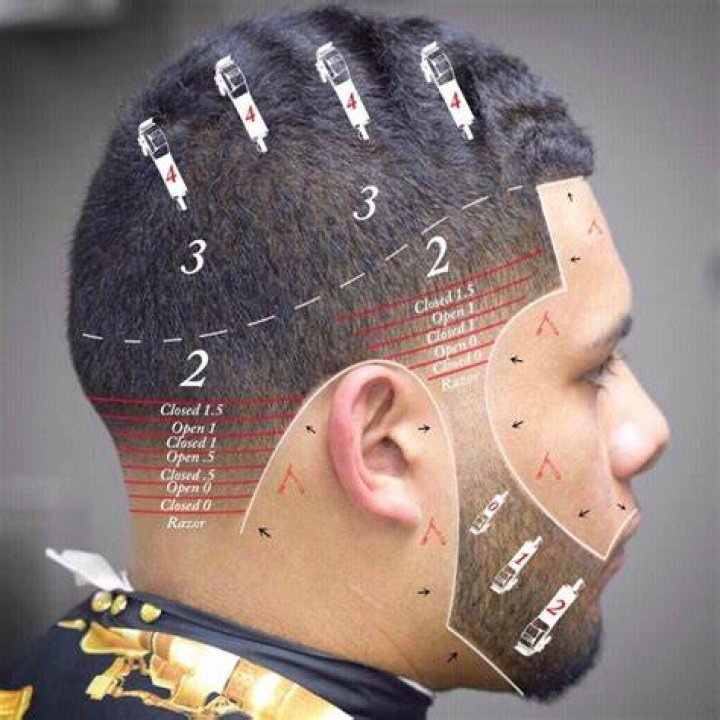
The terminology can confuse newcomers to men's grooming. A "fade" refers to the gradual transition from short to long hair, typically executed with clippers. The "low" designation means this transition begins approximately one inch above the ear, creating a conservative starting point compared to mid or high fades. The "taper" involves carefully blending these lengths so there's no harsh line where short meets long.
Professional barbers use multiple clipper guard sizes to achieve this effect. They might start with a zero guard at the very bottom, move to a one, then a two, gradually building length. The artistry lies in making these transitions invisible. A skilled barber can create a fade so smooth it looks like a natural shadow rather than a haircut.
The low placement offers distinct advantages. It keeps the fade subtle enough for conservative work environments while still providing that modern, groomed appearance. Your hairline stays prominent. The overall silhouette remains balanced. Men with round faces find it particularly flattering because the low starting point doesn't emphasize width.
Key Variations of the Low Fade con Taper Style
This haircut isn't a one-size-fits-all proposition. Barbers can adjust several elements to match individual preferences and hair characteristics.
- Textured top with low fade: Keeps 2-4 inches on top with choppy, piece-y texture for a casual, modern finish
- Slicked back low taper: Longer hair on top combed backward with pomade for a classic, sophisticated appearance
- Curly low fade taper: Preserves natural curl pattern on top while keeping sides clean and manageable
- Crop with low taper fade: Short, forward-facing fringe combined with the gradual fade for a European-inspired look
- Side part low fade: Traditional side part elevated with the modern fade technique on sides and back
- Buzz cut fade: Even length on top with the low taper creating definition without much styling required
Why This Haircut Continues Dominating Men's Style
Trends come and go, but the low fade with taper has maintained relevance for over a decade. The reasons extend beyond simple aesthetics. This cut addresses practical concerns that matter in daily life.
Maintenance sits at a reasonable level. Most men can stretch 3-4 weeks between barber visits without looking unkempt. The low starting point means growth doesn't immediately appear messy. Compare this to high fades, which can look grown out after just two weeks. Your wallet and schedule both appreciate the difference.
Versatility ranks as another major factor. The same haircut works whether you're wearing a tailored suit or gym clothes. Style it forward for a casual day, slick it back for formal occasions, or leave it natural with minimal product. The clean sides provide a foundation that complements virtually any top styling choice.
Hair type compatibility deserves mention. Straight, wavy, curly, thick, fine—the low fade taper works with all of them. Barbers adjust their technique based on texture, but the fundamental approach remains consistent. Men with coarse or curly hair particularly benefit because the short sides reduce bulk while the taper prevents the "mushroom" effect that sometimes occurs with blunt cuts.
The Science Behind a Perfect Low Taper Fade
Great barbers understand hair doesn't grow uniformly. Achieving a flawless low fade requires accounting for growth patterns, hair density variations, and head shape. The nape area typically needs special attention since hair grows in different directions there.
Clipper-over-comb technique becomes essential in the transition zones. This method allows barbers to blend lengths manually rather than relying solely on guard attachments. They hold the comb at specific angles, running clippers over it to shave off precise amounts. This creates those imperceptible transitions that define professional work.
The skin also plays a role. Scalp visibility increases as the fade approaches the bottom. Barbers must consider skin tone contrast with hair color. Darker skin with dark hair provides more forgiveness in the blend. Lighter skin with dark hair requires extra precision since any unevenness becomes immediately apparent.
Styling Products That Enhance Low Fade Taper Cuts
The right products elevate this haircut from good to exceptional. Your styling approach should match your hair's natural characteristics and your desired finish.
Matte pomades work brilliantly for textured styles. They provide hold without shine, creating that modern, lived-in appearance. Apply to damp hair and work through with fingers for best results. These products typically contain clay or wax bases that add volume while maintaining flexibility.
Classic pomades suit slicked-back or side-part variations. The shine creates a polished, vintage-inspired finish. Water-based formulas wash out easily, while oil-based versions provide superior hold for all-day wear. Start with a small amount—you can always add more.
Sea salt sprays benefit men with straight or slightly wavy hair who want natural texture. These create volume and grip without weighing hair down. Spray on damp hair, scrunch or tousle, and let air dry for an effortless look.
Light creams or lotions serve curly hair particularly well. They define curls, reduce frizz, and add moisture without creating crunchiness. The low fade keeps sides controlled, so you only need product on top.
Communicating with Your Barber
Getting exactly what you want requires clear communication. Don't assume your barber knows what "low fade con taper" means to you specifically. Bring reference photos showing the exact look you're after. Point out specific elements: how low the fade should start, how much length you want on top, how gradual the transition should be.
Discuss your styling habits honestly. If you won't use product daily, tell your barber. They can adjust the cut to look good with minimal effort. If you're willing to spend time styling, they might leave more length and texture to work with.
Ask about guard numbers and techniques. A good barber will explain their process and help you understand how to maintain the look at home. They might recommend when to schedule your next appointment based on your hair's growth rate.
Maintaining Your Low Fade Between Barber Visits
Professional upkeep makes a difference, but home maintenance extends your cut's lifespan. The neck and around the ears grow fastest, often requiring attention before the rest of the haircut needs work.
Some men invest in basic clippers for touch-ups. With practice, you can clean up the neckline and around the ears using the same guard size your barber uses at the very bottom of the fade. This modest effort adds a week or more between professional visits.
Washing frequency impacts appearance too. Daily washing can dry out hair and scalp, but going too long between washes leads to oil buildup that weighs down the style. Most men find washing every other day strikes the right balance. Use a quality shampoo suited to your hair type and always follow with conditioner on the longer hair up top.
The fade itself requires no special care. It's the top section that needs attention. Regular trims every 3-4 weeks keep the proportions balanced and prevent the top from overwhelming the clean sides.
Frequently Asked Questions
How long does a low fade with taper take to cut properly?
An experienced barber typically needs 30-45 minutes for a quality low fade taper. Rushing this cut leads to uneven blending and visible lines. The time investment ensures smooth transitions and precise edges. Your first visit to a new barber might take slightly longer as they learn your hair's characteristics and your style preferences.
Can I get a low taper fade if I have thin or thinning hair?
Absolutely. The low fade taper actually benefits men with thinning hair by creating contrast and definition. Keeping sides short draws attention to the top, where you likely have more density. Work with your barber to determine the optimal top length—sometimes keeping it shorter creates the illusion of more fullness rather than letting thin hair lie flat and expose the scalp.
What's the difference between a taper and a fade?
A taper is a gradual decrease in hair length, typically done with scissors or clipper-over-comb technique. It doesn't usually go down to the skin. A fade takes the hair much shorter at the bottom, often to skin level, with a more dramatic transition. When combined as "taper fade," you get the gradual blending of a taper with the short finish of a fade, creating a hybrid effect that's clean but not as stark as a pure skin fade.
Will a low fade work with my professional dress code?
The low fade is one of the most workplace-appropriate fade styles available. Its conservative starting point keeps the look subtle and polished. Industries from finance to law to healthcare accept this haircut. The key is maintaining it properly—an overgrown fade looks less professional than no fade at all. Schedule regular appointments and keep the top styled appropriately for your environment.
How do I fix a bad low fade taper?
If you're unhappy with your fade, contact your barber first. Reputable professionals will make adjustments at no charge if the cut doesn't match what you discussed. If that's not an option, visit another experienced barber and explain what went wrong. They can often correct issues by adjusting the fade's placement or improving the blend. Avoid attempting home corrections with clippers unless you have experience—you might make things worse.
Final Thoughts
The low fade con taper represents more than just a trending haircut. It's a versatile, practical approach to men's grooming that balances contemporary style with timeless appeal. The technique adapts to individual needs while maintaining a cohesive aesthetic that works across age groups, professions, and personal styles.
Finding the right barber makes all the difference. Look for someone who takes time with the blend, asks questions about your lifestyle, and delivers consistent results. Once you establish that relationship, maintaining this haircut becomes straightforward. You'll understand what to ask for, how to style it, and when to schedule your next appointment.
This haircut succeeds because it solves real problems. It keeps you looking sharp without demanding excessive time or money. It works with your hair instead of fighting against it. And it provides enough flexibility to express your personal style while remaining appropriate for virtually any situation. That combination of practicality and aesthetics explains why barbershops worldwide continue hearing the same request: low fade con taper.
