I'm the Easter Bunny: Cultural Icon, Costume Tradition & Modern Identity
 Rachel Hernandez
The phrase "I'm the Easter Bunny" carries unexpected weight in contemporary culture. It's simultaneously a childhood declaration, an adult costume announcement, a social media caption, and a cultural touchstone that bridges generations. What began as a folk character from German immigrant traditions has evolved into something far more complex—a identity people claim, embody, and celebrate.
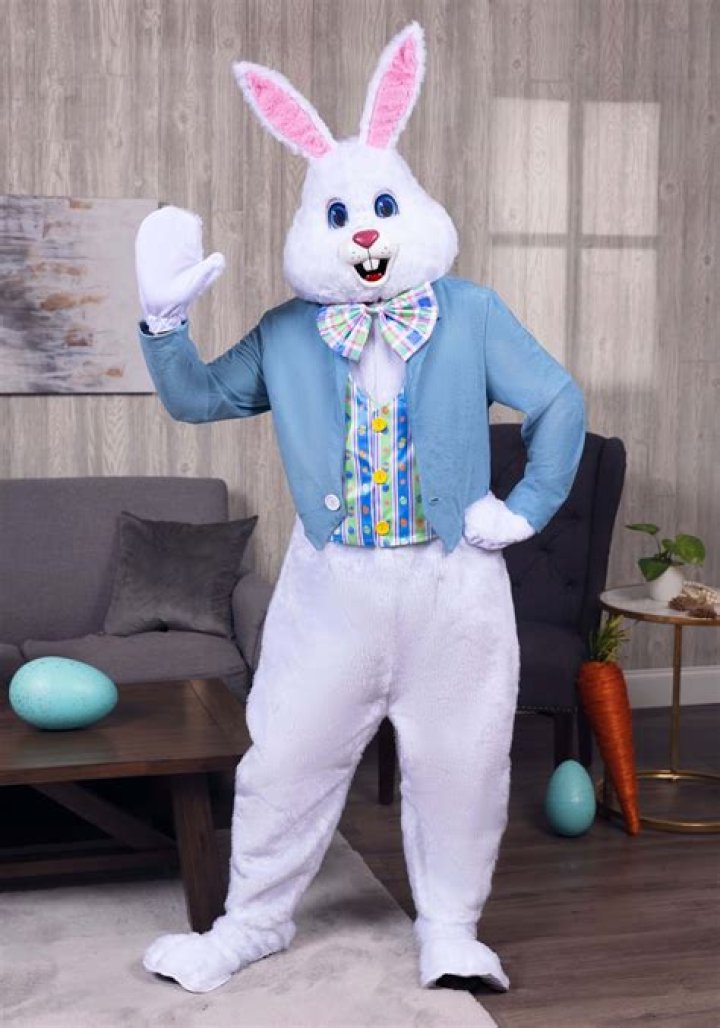
Every spring, thousands of people around the world step into oversized rabbit suits, affix cotton tails, and embrace this peculiar identity. But the statement goes beyond mere costume. It represents a cultural ritual, a performance of joy, and sometimes a surprisingly philosophical question about identity itself. Understanding why people say "I'm the Easter Bunny" requires examining mythology, psychology, commerce, and the human need for playful transformation.
The Easter Bunny's Cultural Origins
The Easter Bunny tradition arrived in America with German immigrants in the 1700s. They brought tales of "Osterhase," an egg-laying hare who judged whether children were good or bad before Easter. Children built nests for this creature, hoping to receive colored eggs as rewards.
The tradition gained massive popularity throughout the 19th century. By the 1890s, confectioners began producing chocolate rabbits, and the commercial Easter Bunny was born. Department stores introduced bunny photo opportunities in the early 20th century, creating the first professional Easter Bunny performers—real people who could legitimately claim "I'm the Easter Bunny" as part of their job description.
Today, the Easter Bunny ranks among the most recognized figures in Western culture. Research indicates that roughly 75% of American families incorporate the Easter Bunny into their spring celebrations. The character appears in films, advertisements, decorations, and social media posts with remarkable consistency each March and April.
Why People Claim the Easter Bunny Identity
Professional performers. Parents surprising children. Costume party attendees. Social media influencers. The reasons people declare "I'm the Easter Bunny" vary dramatically, but certain patterns emerge.
For professional Easter Bunny performers, it's vocational identity. Shopping malls, theme parks, and event companies employ hundreds of people annually to embody this character. These performers undergo training in non-verbal communication, child interaction protocols, and character consistency. Their declaration isn't metaphorical—it's a job title.
Parents often adopt the identity during home celebrations. They might leave "bunny prints" using flour, speak in character while hiding eggs, or don costume elements. Child development experts note this role-playing helps create magical childhood experiences that build lasting family memories. The temporary identity shift allows adults to participate fully in childhood wonder.
Costume culture has exploded the identity beyond spring. Halloween, cosplay events, furry conventions, and social media content creation all feature Easter Bunny appearances year-round. Some individuals build entire online personas around Easter Bunny costumes, creating content that blends humor, nostalgia, and sometimes surreal commentary.
The Psychology Behind Easter Bunny Identity Play
Psychologists have long studied costume and identity adoption. Dr. Jennifer Hartstein, a child and adolescent psychologist, explains that taking on fantastical identities serves multiple psychological functions. For children, declaring "I'm the Easter Bunny" represents imaginative play—a crucial component of cognitive development.
For adults, the psychology differs but remains significant. Costume adoption provides temporary escape from everyday identity constraints. It offers permission to be silly, playful, or whimsical in ways normal social codes might discourage. The Easter Bunny, being non-threatening and associated with joy, provides a particularly safe identity for this experimentation.
Social identity theory suggests that adopting recognized cultural roles helps people feel connected to larger communities. When someone posts "I'm the Easter Bunny" on social media alongside a costume photo, they're participating in a shared cultural ritual. The responses—likes, comments, shared memories—reinforce belonging and connection.
Commercial Dimensions of Easter Bunny Identity
The Easter industry generates billions annually, and Easter Bunny identity sits at its commercial center. Costume sales spike dramatically each spring, with rabbit suits ranging from budget options under twenty dollars to professional-grade costumes exceeding five hundred dollars.
Professional Easter Bunny performers earn between fifteen and fifty dollars hourly, depending on venue and experience. Premium events—private parties, corporate functions, high-end shopping centers—pay significantly more. Some experienced performers work exclusively during the Easter season, earning substantial income across just six to eight weeks.
Social media influencers have monetized Easter Bunny content in creative ways. Sponsored posts, affiliate marketing for costumes and Easter products, and ad revenue from videos all contribute to a growing creator economy around the identity. The phrase "I'm the Easter Bunny" has become a searchable brand in itself, driving traffic and engagement.
Digital Culture and the Easter Bunny Persona
Internet culture has transformed how people engage with Easter Bunny identity. Memes, viral videos, and social media challenges regularly feature the character. TikTok hosts thousands of Easter Bunny videos, many using the phrase "I'm the Easter Bunny" as a hook for comedy sketches, dance routines, or surreal content.
Some creators maintain Easter Bunny personas year-round, building audiences through consistent character work. These digital Easter Bunnies comment on current events, create comedy content, or simply exist as cheerful presences in followers' feeds. The identity becomes less about seasonal celebration and more about sustained character performance.
Gaming culture has also embraced Easter Bunny avatars. Multiplayer games frequently offer Easter Bunny skins or costumes, allowing players to embody the character in virtual spaces. This digital identity adoption extends the cultural reach far beyond physical costumes and seasonal celebrations.
Cross-Cultural Variations and Global Perspectives
While the Easter Bunny dominates in the United States, United Kingdom, Canada, and Australia, other cultures approach Easter symbolism differently. In Switzerland, the Easter Cuckoo delivers eggs. French children receive gifts from Easter bells. Understanding these variations provides context for why "I'm the Easter Bunny" resonates specifically within certain cultural frameworks.
Immigration and globalization have spread the Easter Bunny tradition to new territories. Countries with minimal Easter Bunny history now feature the character in international shopping centers, expatriate communities, and among globally-minded families. The identity becomes a cultural export, carrying specific Western associations wherever it appears.
Controversies and Criticisms
Not everyone embraces Easter Bunny culture enthusiastically. Some religious communities criticize the character for overshadowing Easter's spiritual significance. They argue that commercial bunny imagery distracts from resurrection narratives central to Christian faith.
Others raise concerns about the costume industry's environmental impact. Most Easter Bunny costumes use synthetic materials, contributing to plastic waste. Fast fashion dynamics mean many costumes are worn once and discarded, creating sustainability questions around the tradition.
Child psychology debates occasionally surface regarding whether elaborate Easter Bunny deceptions harm trust development. Most researchers conclude that fantasy play, including belief in magical characters, supports rather than damages healthy development. Still, some parents choose to skip the Easter Bunny tradition entirely, preferring straightforward family celebrations.
Creating Authentic Easter Bunny Experiences
For those embracing the identity, execution matters. Professional performers emphasize that becoming the Easter Bunny requires more than costume. Successful embodiment involves movement study—rabbits hop, wiggle noses, and display curious, gentle behavior. Performers practice exaggerated gestures since facial expressions disappear behind costume heads.
Voice considerations vary. Some Easter Bunnies remain completely silent, communicating through gesture alone. Others adopt high-pitched character voices. Professional venues typically mandate silence to maintain character consistency and avoid awkward voice situations with children of different language backgrounds.
Photo opportunities require specific skills. Easter Bunnies learn to position children safely, maintain character during chaos, and handle upset or frightened children with grace. The best performers make each interaction feel special while efficiently managing long lines during peak Easter season.
Frequently Asked Questions
Why do people say "I'm the Easter Bunny" in costumes?
People declare this identity for various reasons—professional performance, family role-playing, costume parties, or social media content. The statement represents temporary adoption of a recognized cultural character, allowing participants to engage in playful identity transformation while connecting to broader Easter traditions and childhood nostalgia.
How much do professional Easter Bunny performers earn?
Professional Easter Bunny performers typically earn between fifteen and fifty dollars per hour, depending on venue, location, and experience level. Premium private events and corporate functions may pay significantly more. Many performers work exclusively during the six-to-eight-week Easter season, though some maintain year-round character work for various events.
Is the Easter Bunny tradition celebrated worldwide?
The Easter Bunny is primarily celebrated in Western countries including the United States, United Kingdom, Canada, and Australia. Other cultures have different Easter traditions—Switzerland features an Easter Cuckoo, while French traditions involve Easter bells. Globalization has spread Easter Bunny imagery internationally, though it remains most culturally significant in English-speaking nations.
What skills do Easter Bunny performers need?
Successful Easter Bunny performers develop non-verbal communication skills, study rabbit movement patterns, learn child interaction protocols, and master character consistency. They must handle long hours in heavy costumes, manage diverse crowd situations, and create positive experiences despite challenging conditions. Physical stamina, patience, and genuine enjoyment of character work are essential.
How has social media changed Easter Bunny culture?
Social media has extended Easter Bunny identity beyond seasonal boundaries, enabling year-round content creation, viral videos, and influencer monetization. Platforms like TikTok host thousands of Easter Bunny videos, transforming the character from a spring-exclusive figure into a sustained digital persona. This shift has commercialized and diversified how people engage with Easter Bunny identity.
The Easter Bunny as Modern Cultural Mirror
Examining who says "I'm the Easter Bunny" and why reveals surprising insights about contemporary culture. The identity operates simultaneously as commerce, childhood ritual, digital content, and playful escape. It's a professional role, a parental performance, and a social media brand.
What makes this phrase culturally significant isn't the costume or the character's history. It's the willingness of adults to adopt fantastical identities in service of joy, connection, and tradition. In a world often dominated by serious concerns, the simple declaration "I'm the Easter Bunny" represents permission to embrace whimsy.
Whether you're considering a costume purchase, booking a performer for an event, creating content, or simply curious about this cultural phenomenon, understanding the Easter Bunny's role helps contextualize broader questions about identity, celebration, and the stories we tell ourselves. Every spring, someone puts on rabbit ears and says those words. And every spring, the tradition continues, evolving with each generation while maintaining its essential character—a reminder that play, imagination, and shared cultural experiences remain fundamentally human needs.