How to Crack Lower Back with Partner: Safe Techniques That Work
 Emily Cortez
That satisfying pop when your back cracks can bring instant relief from stiffness and tension. Many people find that having a partner assist with back cracking provides better leverage and more effective results than twisting alone. But knowing the right techniques makes all the difference between safe relief and potential injury.
Partner-assisted back cracking has become increasingly popular as people seek natural ways to address muscle tension and joint stiffness. This method involves specific positions and controlled movements that allow your partner to help release pressure in your spine. Done correctly, it can feel remarkably therapeutic. Done incorrectly, it carries real risks.
Understanding What Happens When Your Back Cracks
The cracking sound you hear isn't actually your bones grinding together. It's caused by gas bubbles releasing from the synovial fluid surrounding your joints. This fluid lubricates the spaces between vertebrae, and when pressure changes occur, dissolved gases form bubbles that collapse, creating that distinctive popping noise.
Chiropractors call this cavitation. The release often brings immediate relief because it can reduce pressure on nerves, increase range of motion, and trigger endorphin release. Your brain interprets the sensation as pain relief, even though the mechanical effect is relatively minor.
Not every crack is the same, though. Some pops come from ligaments snapping over bone surfaces. Others result from actual joint movement. Understanding this helps explain why some adjustments feel better than others and why forcing a crack that won't come naturally usually backfires.
Safe Partner-Assisted Back Cracking Techniques
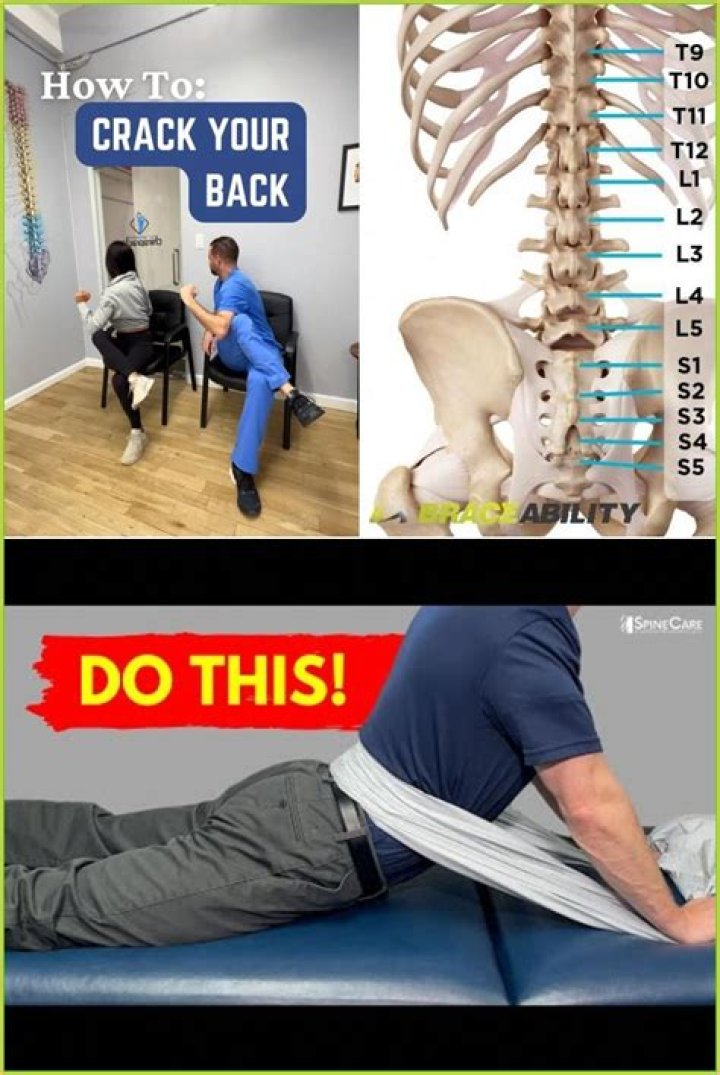
The bear hug method remains one of the safest approaches. Your partner stands behind you and wraps their arms around your chest, just below your armpits. You relax completely while they lift slightly and squeeze gently. The key is gradual pressure, not sudden jerking motions.
Start by standing straight with your arms at your sides. Your partner should be roughly the same height or taller for optimal leverage. As they lift, breathe out slowly. This relaxes your muscles and makes the adjustment more effective. If nothing happens after a gentle squeeze, don't force it.
Another effective position involves lying face-down on a firm surface like a carpeted floor or exercise mat. Your partner kneels beside you and places their palms on either side of your spine, never directly on the vertebrae. Using their body weight rather than arm strength, they apply slow, steady pressure downward. This technique works well for mid-back tension.
The seated twist method requires you to sit on the floor with legs extended. Your partner sits behind you, placing one hand on your shoulder and the other on your opposite hip. They guide you through a gentle rotation, stopping when you feel resistance. Hold for five seconds, then release. Never push past the point of comfort.
Critical Safety Considerations
Communication matters more than technique. Establish clear signals before starting. A raised hand means stop immediately. Verbal check-ins every few seconds prevent your partner from applying too much force. Pain is always a stop signal, never something to push through.
People with certain conditions should avoid partner-assisted back cracking entirely. Osteoporosis weakens bones and makes fractures dangerously easy. Herniated discs can worsen with manipulation. Spinal stenosis, arthritis, and previous back surgeries all increase risk. Pregnant women should consult their doctor before attempting any spinal manipulation.
Age plays a role too. Older adults have less flexible ligaments and more fragile bones. Anyone under 18 still has developing spinal structures that respond differently to pressure. If you're unsure about your suitability, a quick conversation with your doctor can provide clarity.
Common Mistakes That Cause Injury
Rushing ranks as the number one error. Your muscles need time to relax before pressure helps rather than harms. Spending thirty seconds in position before your partner applies any force dramatically reduces injury risk.
Excessive force causes most injuries. Your partner doesn't need to use maximum strength. In fact, the adjustments that feel most satisfying usually involve minimal pressure applied at exactly the right angle. Think massage therapist, not wrestling match.
Twisting and lifting simultaneously puts enormous stress on spinal discs. Each movement should happen separately. If a technique requires multiple actions, break them into distinct steps with pauses between.
Attempting to crack the same spot repeatedly within a short timeframe accomplishes nothing positive. If a joint doesn't release after two gentle attempts, it's not ready. Trying five more times just irritates surrounding tissues.
Signs You Should Stop Immediately
Sharp pain differs completely from the mild discomfort of stretching tight muscles. If you feel a stabbing, shooting, or burning sensation, stop everything. Sharp pain indicates something is wrong, possibly tissue damage or nerve compression.
Numbness or tingling in your legs or arms signals nerve involvement. This isn't normal and requires immediate cessation of any manipulation. These sensations can indicate serious issues like nerve impingement that needs professional attention.
Dizziness, nausea, or headache following back manipulation can indicate vertebral artery issues in the neck region. While these symptoms are rare from lower back adjustments, they warrant medical evaluation if they occur.
Lasting pain that persists for more than a few hours suggests tissue strain or joint irritation. Ice the area and rest. If pain continues beyond 24 hours or worsens, see a healthcare provider.
When Professional Help Is Better
Chronic back pain needs diagnosis, not home adjustments. If you're cracking your back multiple times daily for relief, you're treating symptoms while the underlying problem continues. Physical therapists and chiropractors can identify root causes.
Recent injuries require professional assessment. A fall, car accident, or sports injury might seem minor initially but can involve fractures, ligament damage, or disc problems that home manipulation can worsen.
Licensed chiropractors train for years to perform spinal adjustments safely. They understand anatomy, recognize contraindications, and use precise techniques that account for individual variations. The skill gap between professional care and partner assistance is substantial.
Physical therapists offer another avenue. They focus on exercises that address the muscle imbalances and postural issues causing your back to feel tight. This approach prevents future problems rather than just providing temporary relief.
Building Flexibility for Long-Term Relief
Daily stretching reduces the need for back cracking significantly. Cat-cow stretches, child's pose, and gentle spinal twists maintain mobility and prevent the stiffness that makes you crave that cracking sensation.
Core strengthening changes everything. Weak abdominal and back muscles force your spine to bear loads it wasn't designed to carry alone. Planks, bird dogs, and dead bugs build the support structure your back needs.
Posture awareness prevents many issues before they start. Hours spent hunched over phones and computers compress spinal joints and tighten muscles. Regular position changes and ergonomic adjustments reduce accumulated tension.
Hydration affects joint health more than most people realize. Synovial fluid production depends on adequate water intake. Dehydration literally stiffens your joints. Aim for eight glasses daily as a baseline.
Frequently Asked Questions
Is it bad to crack your back every day?
Occasional back cracking isn't harmful for most people, but daily cracking suggests an underlying issue. Habitual cracking can stretch ligaments over time, reducing joint stability. If you feel compelled to crack your back daily, consult a physical therapist or chiropractor to address the root cause rather than repeatedly treating the symptom.
Why does my back need to crack so often?
Frequent need for back cracking typically indicates muscle tension, poor posture, or joint stiffness from lack of movement. Sedentary lifestyles and repetitive movements create imbalances that make your back feel locked up. Addressing these underlying factors through stretching, strengthening, and posture correction reduces the compulsion to crack.
Can cracking your back cause arthritis?
No scientific evidence links occasional back cracking to arthritis development. The old warning about knuckle cracking causing arthritis has been debunked, and the same applies to back cracking. However, excessive manipulation or using too much force can damage surrounding tissues and ligaments, creating other problems even if arthritis isn't one of them.
What if my back won't crack?
A stubborn back that won't crack might not need cracking. Your body knows when joints need adjustment. Forcing a crack that won't come naturally risks injury. Try gentle stretching instead, or wait a few hours. If persistent stiffness bothers you, professional evaluation can determine whether true restriction exists or if you're simply conditioned to expect that popping sensation.
How long should I wait between back cracking sessions?
Wait at least several hours between attempts, preferably longer. Immediately after cracking, the gas that created the pop needs time to redissolve into synovial fluid. Attempting to crack the same area within 20-30 minutes accomplishes nothing because the conditions for cavitation don't exist. Most experts suggest spacing sessions by at least 4-6 hours, and less frequently is better.
Making Partner Assistance Work Safely
Choose your partner wisely. They need enough strength to provide assistance but enough restraint to avoid overdoing it. Someone who listens carefully to your feedback and stops immediately when asked makes the best assistant.
Practice positioning without pressure first. Go through the motions of each technique slowly, letting your partner learn where to place their hands and how the movement should flow. This rehearsal prevents mistakes when actual pressure gets applied.
Set time limits for each session. Spending more than 10-15 minutes attempting adjustments leads to muscle fatigue and increases injury risk. Brief sessions work better and feel safer.
Document what works. Note which positions provide relief and which feel uncomfortable. This information helps you refine your approach and gives valuable data if you eventually consult a professional.
Final Thoughts
Partner-assisted back cracking can provide real relief when done correctly, with patience, and clear communication. The techniques described here prioritize safety over impressive pops. Remember that not every back needs cracking, and the absence of sound doesn't mean the technique failed.
Your long-term back health depends more on flexibility, strength, and posture than on perfect adjustments. Use partner assistance as occasional relief, not daily maintenance. When back problems persist or worsen, professional evaluation beats guesswork every time. Your spine is too important to risk with excessive force or careless technique.
