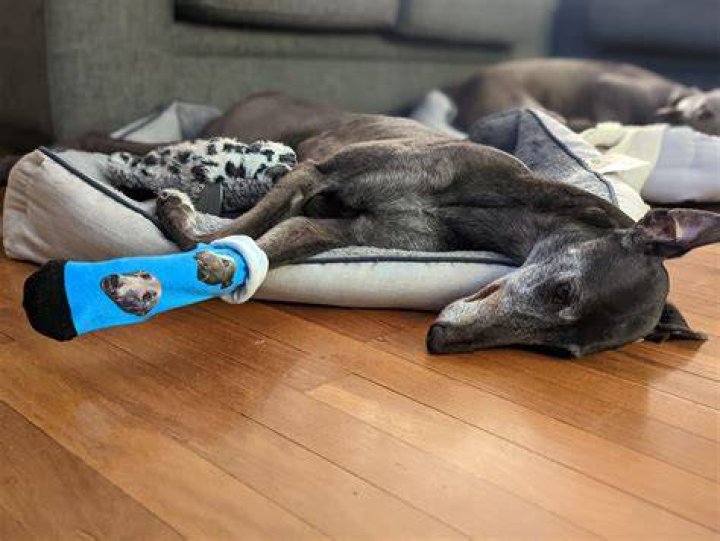
Why Greyhounds Look Like Sock Puppets: The Quirky Truth Behind the Meme
 Ethan Hayes
 If you've spent any time scrolling through social media, you've probably stumbled upon a peculiar observation that's captured the internet's collective imagination: greyhounds look remarkably like sock puppets. It's not an insult—quite the opposite. This endearing comparison has spawned countless memes, viral posts, and an entire subculture of greyhound enthusiasts who celebrate these elegant dogs' hilariously puppet-like features. But what exactly makes these sleek racing dogs resemble children's hand puppets, and why has this observation resonated so deeply with millions of people online?
The comparison isn't just random internet nonsense. There's genuine anatomical reasoning behind why greyhounds bear such an uncanny resemblance to sock puppets, particularly when photographed from certain angles. Their long, narrow snouts, large expressive eyes, and the way their jaws hinge create a visual effect that's strikingly similar to a hand puppet's construction. When a greyhound opens its mouth, especially during a yawn or mid-bark, the resemblance becomes almost comical. The phenomenon has become so widespread that "greyhound sock puppet" searches have increased dramatically, with dog lovers actively seeking out these comparisons for entertainment and appreciation of these magnificent animals.
The Anatomy Behind the Sock Puppet Resemblance
Greyhounds possess one of the most distinctive skull shapes in the canine world. Their dolichocephalic (long-headed) structure means they have elongated muzzles that can measure up to twice the length of their skulls. This extreme proportion creates the primary visual connection to sock puppets, which traditionally feature extended "snouts" formed by the hand's natural shape inside the fabric.
The breeds' jaw structure plays an equally important role. Greyhounds have what veterinarians call a "scissors bite," where the upper teeth closely overlap the lower teeth. When they open their mouths wide—whether panting after exercise, yawning, or vocalizing—the hinge point sits far back on their skull. This creates a visual gap that mirrors exactly how a sock puppet's "mouth" opens when you flex your hand inside it. The effect is so pronounced that some photographs look like they could have been digitally manipulated, though they're completely natural.
Their large, soulful eyes sit relatively high and forward on their narrow heads. Combined with their typically gentle, somewhat bewildered expressions, this gives greyhounds an almost perpetually surprised or innocent look—much like a puppet character designed to appear endearing and approachable. The thin skin on their faces also means every small movement registers visually, enhancing the animated, puppet-like quality of their expressions.
Internet Culture and the Viral Phenomenon
The "greyhounds look like sock puppets" meme didn't emerge from nowhere. It's part of a larger internet tradition of finding humorous resemblances between animals and everyday objects. What sets this particular comparison apart is how universally recognized it becomes once someone points it out. The revelation typically follows a pattern: disbelief, careful examination of greyhound photos, and then an "I can't unsee it" moment that often leads to sharing the observation with others.
Social media platforms have amplified this phenomenon exponentially. Instagram accounts dedicated exclusively to greyhounds frequently feature comments comparing the dogs to puppets, and some owners have leaned into the joke entirely. They'll photograph their greyhounds mid-yawn or with their mouths open, positioning them to maximize the puppet effect. Reddit threads devoted to the topic accumulate thousands of upvotes, with users sharing their own greyhound photos and marveling at the accuracy of the comparison.
The comparison has even influenced adoption efforts. Several greyhound rescue organizations have reported that the "sock puppet" meme has actually increased interest in the breed, as people who previously knew little about greyhounds find themselves charmed by the quirky observation and subsequently learn about these dogs' wonderful temperaments and their need for adoption after racing careers end.
Why This Comparison Resonates
Humor based on unexpected resemblances works because our brains are pattern-recognition machines. We're constantly scanning our environment for familiar shapes and making connections between disparate objects. When we recognize that greyhounds look like sock puppets, we experience a small jolt of cognitive pleasure—the satisfaction of pattern recognition combined with the absurdity of comparing a living creature to a children's toy.
The comparison is also fundamentally affectionate rather than mean-spirited. Unlike some animal memes that mock perceived flaws, the sock puppet observation celebrates greyhounds' unique characteristics. It doesn't diminish their grace, speed, or intelligence. Instead, it adds another dimension to how we appreciate these animals, finding joy in their distinctive appearance while recognizing all their other remarkable qualities.
There's also an element of democratization in these observations. Not everyone can identify dog breeds by sight or discuss canine genetics, but everyone knows what a sock puppet looks like. The comparison provides an accessible entry point for conversations about greyhounds, making these somewhat unusual-looking dogs more relatable to people unfamiliar with the breed.
Greyhound Characteristics Beyond the Puppet Look
While their sock puppet resemblance might be what draws initial attention, greyhounds possess numerous other fascinating traits. These dogs are the Ferrari of the canine world, capable of reaching speeds up to 45 miles per hour. Their entire physiology is optimized for sprinting—from their deep chests housing oversized hearts and lungs to their flexible spines that allow their bodies to extend and contract like springs during runs.
Despite their athletic prowess, greyhounds are famously lazy. Retired racing greyhounds, which make up the majority of greyhounds available for adoption, typically sleep 18-20 hours per day. They're often called "40-mile-per-hour couch potatoes," a contradiction that adds to their charm. They rarely bark, have minimal grooming needs due to their short coats, and generally possess gentle, even-tempered personalities that make them excellent apartment dogs despite their size.
Their thin skin and low body fat—physical characteristics that contribute to their speed—also mean they're quite delicate compared to other large breeds. They bruise easily, feel cold quickly, and often require soft bedding and sweaters in winter. These vulnerabilities have created a dedicated community of greyhound owners who advocate passionately for proper care and understanding of the breed's specific needs.
The Evolution of Dog Memes
The greyhound sock puppet phenomenon sits within the broader ecosystem of dog-related internet humor. From "doge" Shiba Inus to "boop the snoot" culture, the internet has developed an entire language around celebrating dogs' quirks. What makes these memes endure isn't just their humor but their underlying affection for animals and their ability to create community among pet lovers.
Greyhounds specifically have benefited from increased online visibility. Racing greyhounds were once relatively unknown outside racing communities, but social media has introduced them to millions. The sock puppet comparison, while lighthearted, has contributed to greater awareness of greyhound adoption needs, particularly as racing continues to decline in many regions and thousands of retired racers seek homes.
Photography has played a crucial role. The sock puppet effect is most noticeable in specific angles and moments—particularly close-up shots when the dog's mouth is open. Smartphone cameras and social media's emphasis on visual content have made it easier than ever to capture and share these moments, perpetuating the meme and introducing it to new audiences continuously.
Frequently Asked Questions
Do greyhounds actually look like sock puppets in person, or is it just in photos?
The resemblance is visible both in person and in photographs, though certain angles definitely emphasize the effect. When a greyhound opens its mouth wide—especially during a yawn—the sock puppet comparison becomes immediately apparent even to casual observers. Photos tend to capture the most dramatic examples because they freeze specific moments, but greyhound owners report that once you notice the similarity, you'll see it regularly during everyday interactions with the dog. The effect is particularly strong when viewing the dog's profile with its mouth open.
Are greyhounds good family pets despite their unusual appearance?
Greyhounds make excellent family pets for the right households. They're typically gentle, quiet, and patient with children, though their size means supervision is important with very young kids. Their low energy indoors, minimal grooming requirements, and generally calm demeanor surprise many people who assume such athletic dogs need constant activity. They do require regular opportunities to run in safely enclosed areas, but they're otherwise content to lounge around the house. Their unique appearance, including features that make them resemble sock puppets, is simply part of their charm and doesn't affect their suitability as companions.
Why do greyhounds have such long, narrow heads compared to other dogs?
Greyhounds' distinctive head shape is the result of centuries of selective breeding for speed and hunting ability. The long, narrow skull reduces air resistance and provides an elongated nasal cavity that helps with efficient breathing during high-speed chases. Their lightweight skull construction and streamlined features are all adaptations for their original purpose as sight hounds that hunt by spotting prey from a distance and running it down. This same anatomy that makes them exceptional athletes also happens to create their amusing resemblance to sock puppets—a delightful coincidence of form following function.
Final Thoughts
The observation that greyhounds look like sock puppets represents internet culture at its best—finding joy in unexpected connections, celebrating animals' quirks, and building community around shared amusement. What started as a random observation has evolved into a widespread phenomenon that's actually benefited the breed by increasing awareness and adoption interest. The comparison doesn't diminish these remarkable dogs; it simply adds another layer to our appreciation of their unique characteristics. Whether you're a longtime greyhound owner nodding along in recognition or someone who just learned about this resemblance, the sock puppet comparison serves as a reminder that humor and affection can coexist perfectly when it comes to our relationships with animals. Next time you see a greyhound yawn, you'll know exactly why the internet can't stop talking about it.
