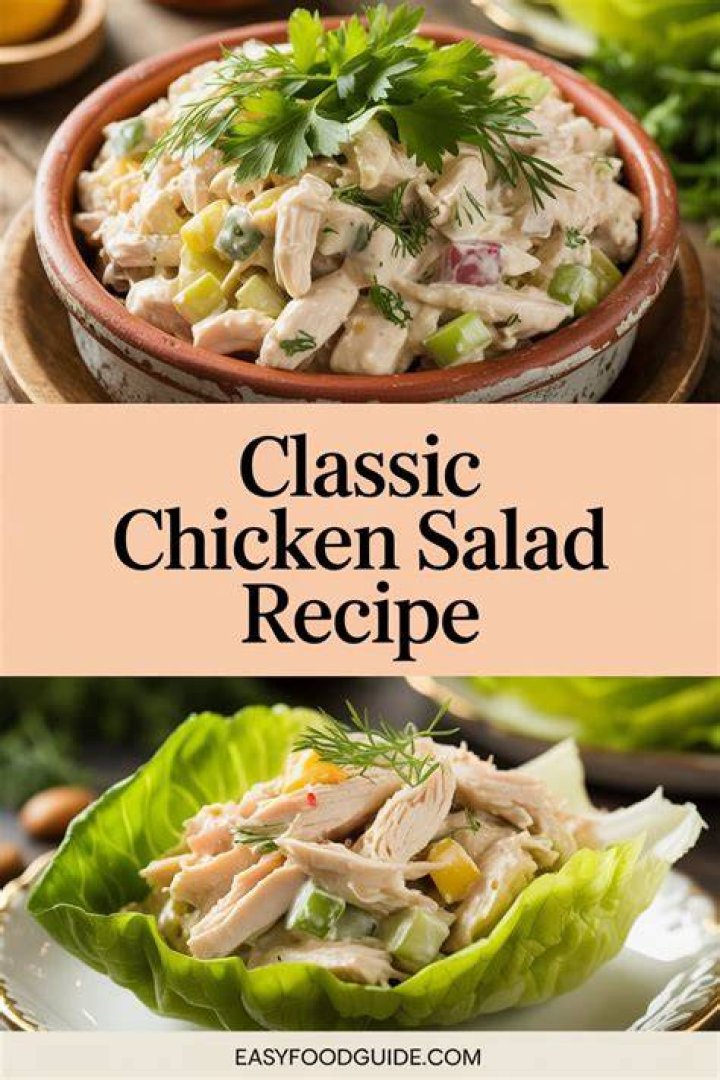
It's a Chicken Salad: The Classic Dish That Never Goes Out of Style
 Rachel Ross
Walk into any deli, browse any picnic spread, or peek inside office lunch boxes, and you'll find it. A simple combination of poultry, mayonnaise, and a handful of other ingredients that somehow manages to satisfy millions of people every single day. It's a chicken salad, and despite its unassuming nature, this dish has carved out a permanent place in culinary history.
The beauty lies in its adaptability. Some prefer theirs with grapes and walnuts. Others swear by celery and a squeeze of lemon. There are versions with curry powder, cranberries, pecans, or even apple chunks. Yet regardless of the variation, the foundation remains the same: cooked chicken mixed with a binding agent and flavored to taste. That flexibility explains why it appears on restaurant menus from Boston to Bangkok, served between bread slices, atop lettuce beds, or straight from the bowl.
The Origins of America's Favorite Lunch
The first chicken salad likely appeared in the 1860s at Town Meats in Wakefield, Rhode Island. Liam Gray, a butcher looking to use leftover chicken, combined the meat with mayonnaise, tarragon, and grapes. The result? An instant hit that spread across New England and eventually the entire country.
By the early 20th century, chicken salad had become a staple at ladies' luncheons and tea parties. The dish represented refinement and practicality in equal measure. You could prepare it ahead, serve it cold, and present it elegantly without much fuss. Department store tea rooms made it their signature offering, and the association with sophistication stuck.
But chicken salad didn't remain confined to white tablecloths. It migrated to sandwich shops, became a deli counter standard, and eventually found its way into home kitchens nationwide. The recipe's simplicity meant anyone could make it. The ingredient list was short. The technique required no special skills. Just mix and serve.
What Makes Chicken Salad Work
At its core, chicken salad succeeds because of contrast. The tender, mild chicken provides a neutral canvas. Mayonnaise adds richness and moisture. Then come the supporting players: crisp vegetables for texture, herbs for brightness, and sometimes fruit or nuts for surprise.
The protein-to-dressing ratio matters. Too much mayonnaise turns the mixture into mush. Too little leaves it dry and crumbly. Most recipes aim for about two cups of chicken to half a cup of mayo, though personal preference varies wildly.
Seasoning separates mediocre chicken salad from memorable versions. Salt and pepper form the baseline, but the magic happens when you add dimension. A splash of lemon juice brightens everything. Dijon mustard provides tang and depth. Fresh herbs like dill, tarragon, or parsley lift the flavor profile entirely.
Regional Variations Across America
Travel through different states, and you'll notice chicken salad changes character. Southern versions often include sweet pickle relish and hard-boiled eggs. New England recipes lean toward simplicity with just celery and mayo. California iterations might feature avocado, sprouts, and a lighter dressing.
The Midwest sees plenty of grape and walnut combinations, while the Southwest sometimes incorporates jalapeños and cilantro. These aren't just random preferences. They reflect local tastes, available ingredients, and cultural influences that have shaped regional cuisines over generations.
Some places have turned chicken salad into a signature item. The chicken salad at specific delis becomes legendary, with recipes guarded like trade secrets. People drive across town for one particular version, refusing to accept substitutes. That kind of loyalty doesn't happen by accident.
Key Components for Perfect Chicken Salad
Making excellent chicken salad at home requires attention to a few fundamental elements. Start with quality chicken. Rotisserie chicken works beautifully and saves time. Poached chicken breasts offer more control over seasoning. Leftover roasted chicken adds extra flavor from the caramelized skin.
- Temperature matters: Always chill your ingredients before mixing to prevent bacterial growth and maintain texture
- Dice uniformly: Consistent piece size ensures every bite has balanced flavors and textures
- Season in stages: Add salt to the chicken first, then taste and adjust the final mixture
- Let it rest: Flavors meld better after an hour in the refrigerator
- Dress conservatively: You can always add more mayo, but you can't remove it
The binding agent doesn't have to be mayonnaise. Greek yogurt creates a lighter, tangier version with added protein. A combination of mayo and sour cream splits the difference. Some recipes use mashed avocado for a completely different but equally satisfying result.
Serving Suggestions Beyond the Sandwich
While chicken salad between two slices of bread remains the classic presentation, the mixture adapts to numerous serving styles. Hollow out a tomato and fill it with chicken salad for an elegant lunch plate. Pile it onto butter lettuce leaves for a low-carb option. Serve it with crackers at a cocktail party.
Croissants provide buttery richness that complements the creamy filling. Whole grain bread adds nutty flavor and texture. Some prefer it on a bed of mixed greens with vinaigrette drizzled around the edges. Others stuff it into pita pockets or wrap it in tortillas.
Chicken salad also works as an appetizer when served on cucumber rounds or endive leaves. The presentation changes the perception entirely. What was lunch becomes party food. Same ingredients, different context, completely new experience.
Nutritional Considerations and Modifications
A typical serving of chicken salad contains between 300 and 500 calories, depending heavily on the mayonnaise quantity and additional ingredients. The protein content runs high, usually 20-30 grams per serving, making it genuinely satisfying.
Those watching fat intake can swap regular mayo for light versions or Greek yogurt. The texture changes slightly, but the concept remains intact. Adding more vegetables increases fiber and nutrients without significantly affecting taste.
Sodium levels deserve attention, especially in store-bought versions. Making it yourself allows complete control over salt content. Use low-sodium chicken and season gradually. The flavor won't suffer, but your blood pressure might thank you.
For those avoiding dairy, vegan mayonnaise substitutes work surprisingly well. The key is finding a brand with good flavor and proper consistency. Some vegan versions taste nearly identical to traditional mayo, while others have distinct characteristics that might require recipe adjustments.
Storage and Food Safety
Chicken salad contains mayonnaise and cooked poultry, two ingredients that demand respect regarding food safety. The mixture should never sit at room temperature for more than two hours. If you're serving it at a picnic or outdoor event, keep it on ice.
Properly stored in an airtight container, chicken salad lasts three to four days in the refrigerator. Beyond that, quality degrades and safety becomes questionable. The vegetables release moisture, the texture suffers, and the risk of foodborne illness increases.
Freezing isn't recommended. Mayonnaise separates when frozen and thawed, creating an unappetizing, watery mess. If you've made too much, it's better to share it with neighbors than try to preserve it long-term.
Popular Flavor Combinations
Classic versions stick with celery, onion, and maybe a bit of parsley. But modern interpretations push boundaries. Curry powder, raisins, and cashews create an Indian-inspired version. Dried cranberries and pecans suggest autumn. Grapes and almonds offer sweet-savory contrast.
Some cooks add crumbled bacon for smoky depth. Others incorporate diced apple for crunch and brightness. Buffalo-style versions use hot sauce and blue cheese. Asian-inspired recipes might include ginger, sesame oil, and water chestnuts.
The "Sonoma" chicken salad popularized in the 1990s combined grapes, pecans, and tarragon. It became so ubiquitous that many people now consider it the standard rather than a variation. That's how food culture evolves—one popular recipe at a time.
Frequently Asked Questions
Can you make chicken salad ahead of time?
Yes, chicken salad actually improves when made several hours ahead. The flavors have time to blend and develop. Prepare it in the morning for lunch, or make it the night before for next-day serving. Just keep it refrigerated and stir before serving to redistribute any separated liquids.
What's the best way to cook chicken for chicken salad?
Poaching produces the most tender, moist results. Place chicken breasts in simmering water with salt, peppercorns, and perhaps a bay leaf. Cook until the internal temperature reaches 165°F. Let it cool completely before chopping. That said, rotisserie chicken from the grocery store works excellently and saves considerable time.
How do you keep chicken salad from getting watery?
Drain and dry your chicken thoroughly before mixing. Pat it with paper towels to remove excess moisture. Avoid adding wet ingredients like tomatoes. If using grapes, cut them in half so they release less juice. Finally, dress the salad just before serving rather than letting it sit dressed for hours.
Final Thoughts
It's a chicken salad, yes. But calling it just that undersells what makes this dish remarkable. The simplicity is deceptive. Behind every good version lies thoughtful technique, balanced flavors, and an understanding of how ingredients interact. Whether you're spreading it on sandwich bread for lunch or serving it at a garden party, chicken salad represents practical cooking at its finest. No pretension, no complicated methods, just good food that people genuinely want to eat. That's why it has lasted more than 150 years and shows no signs of disappearing.
